Federal Judge Blocks Postal Service From Implementing Trump’s Mail Voting Order for Midterms
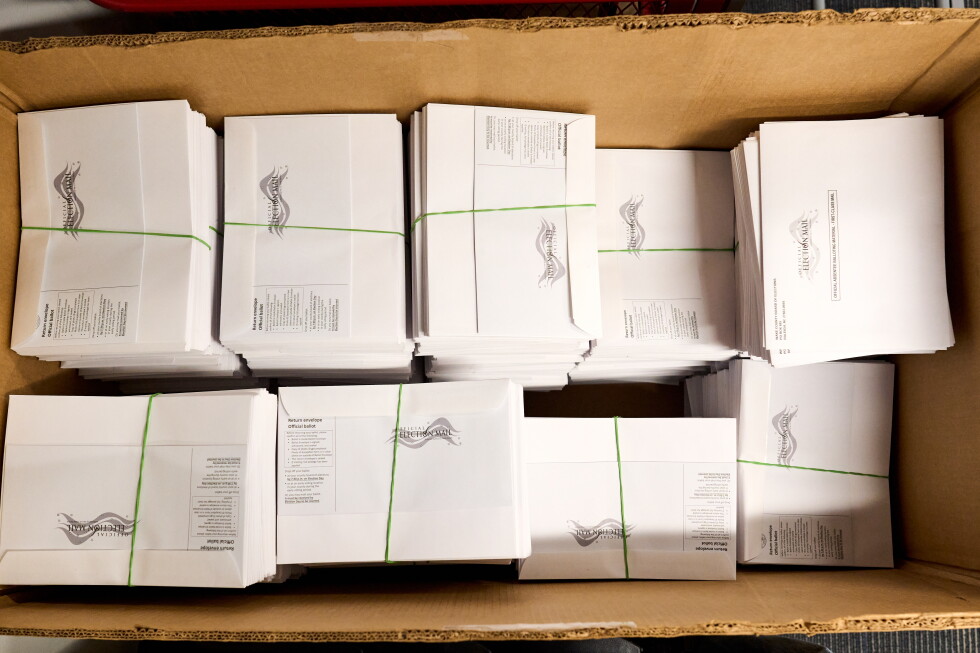
A federal judge has temporarily halted efforts by the U.S. Postal Service to implement a controversial executive order from President Donald Trump aimed at restricting mail voting during the upcoming midterm elections. This move represents a significant hurdle for the Trump administration as states begin the process of distributing mail ballots.
U.S. District Court Judge Indira Talwani issued a preliminary injunction that continues her initial temporary block on the Postal Service’s plan. The administration has already petitioned the Supreme Court to overturn Talwani’s earlier order and is now appealing her latest decision to the U.S. 1st Circuit Court of Appeals.
With North Carolina initiating the distribution of its first mail ballots, time is running short for any substantial changes to voting procedures. Many states are expected to follow suit soon.
The legal dispute may have significant consequences for the upcoming elections, which could determine the balance of power in Congress. Nearly one-third of U.S. voters cast their ballots by mail, and election officials argue that there is insufficient time to adjust their procedures to comply with new Postal Service guidelines.
Judge Talwani, appointed by President Barack Obama, highlighted the tight timeline in her ruling. “Plaintiff States are required under state law to mail millions of ballots to voters on a prescribed timeframe. As detailed below, they are unable to pivot this late in the election cycle, nearly guaranteeing significant disenfranchisement for eligible voters,” she wrote.
The order also allows states to voluntarily adopt the new Postal Service system; however, no state has yet chosen to do so.
President Trump has been a vocal critic of mail voting, although he frequently uses mail ballots himself. He has persistently, but without evidence, claimed that mail voting contributed to his loss in the 2020 election and has sought to alter this voting method.
Trump’s initial executive order, which aimed to change election rules, including requiring proof of citizenship for voter registration, was stopped by federal judges, citing that only states and Congress have the authority to set voting procedures, not the president.
After Trump issued his executive order on mail voting in March, it faced numerous legal challenges from Democrats and voting rights organizations. Two of these cases landed before Judge Talwani, who initially blocked the order in June, delaying its implementation until post-November elections.
However, the Supreme Court recently overturned that block. Although the conservative majority did not comment on the legality of Trump’s order, they indicated that the lawsuits were prematurely filed before the Postal Service had announced how it would execute the order. The Postal Service’s rule was released shortly before the Supreme Court’s decision, prompting plaintiffs to re-file their lawsuits.
For further details on these developments, visit the full articles on the AP News site.