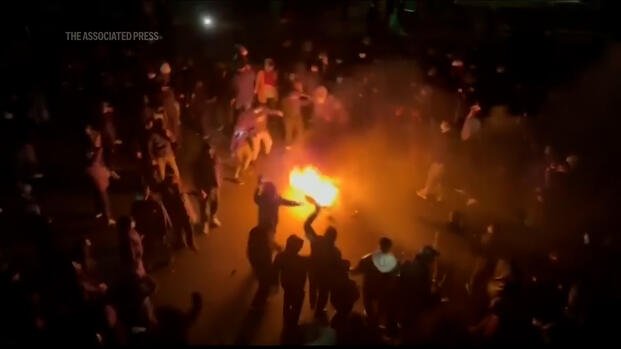
Amid escalating tensions and mounting casualties in Iran, the U.S. government is navigating a complex response that intertwines diplomatic pressure and military strategy. The White House is balancing these elements as it addresses the ongoing protests in Iran, which have entered their third week.
Reports from human rights organizations indicate significant casualties, with thousands reportedly killed or detained. The Trump administration is considering a variety of responses, including diplomatic engagement, economic sanctions, and potential military action.
White House Balances Diplomacy and Military Options
The current U.S. strategy emphasizes a mix of diplomatic caution and military readiness. According to White House spokesperson Karoline Leavitt, diplomacy remains a priority for President Donald Trump, although military options have not been ruled out.
“Air strikes would be one of the many, many options that are on the table for the commander in chief,” Leavitt stated. She further noted that private communications with Iranian leaders differ significantly from Tehran’s public stance.
Trump has communicated a message of support to Iranian protesters, telling them that “help is on its way,” though he did not elaborate on what that entails. He also called on Tehran to “show humanity” in light of increasing civilian casualties.
Increasing Casualties and Arrests in Iran
The death toll in Iran is reportedly over 2,500, according to groups such as Iran Human Rights. Thousands more have been detained, and internet restrictions have hindered independent verification of these events.
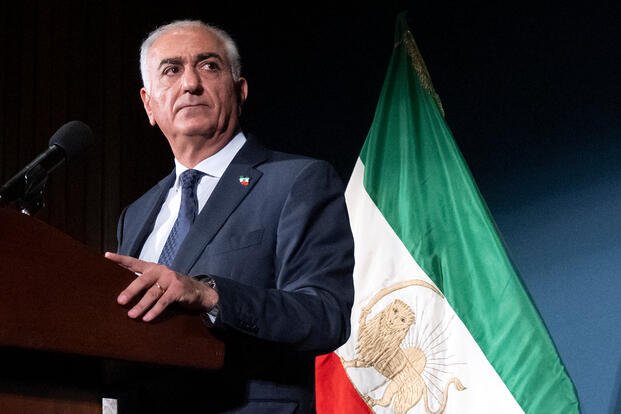
Iran’s government has announced a period of national mourning, honoring security personnel as martyrs while dismissing international criticism.
Sanctions and Diplomatic Efforts Intensify
This week, the U.S. Treasury Department introduced new sanctions targeting individuals and entities linked to the crackdown in Iran, aiming to increase pressure on the regime. The European Union is also considering additional sanctions.
International condemnation of Iran’s actions has been pronounced, particularly from Western countries, though Russia and China have cautioned against external intervention.
Subtle Shifts in Military Posture
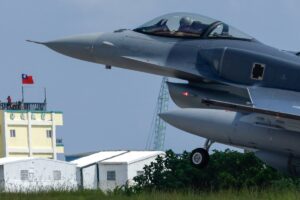
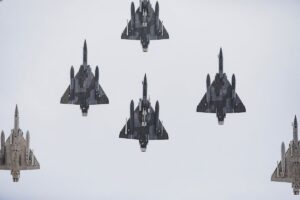
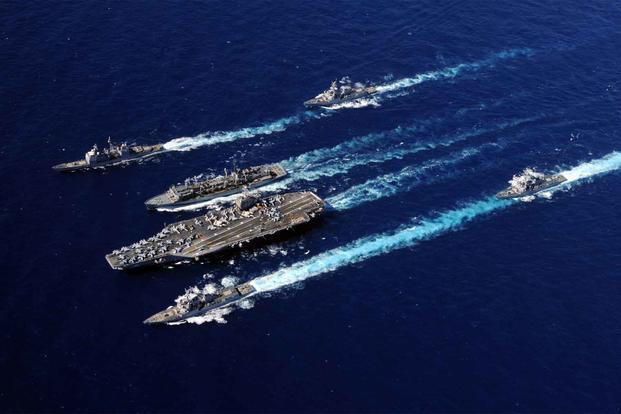
Some personnel at the U.S. military’s Al Udeid Air Base in Qatar have been advised to relocate amidst growing regional tensions.
While no new deployments have been announced, U.S. military planners are closely monitoring the situation. Human rights organizations continue to call for international mechanisms to ensure accountability and protect detainees in Iran.