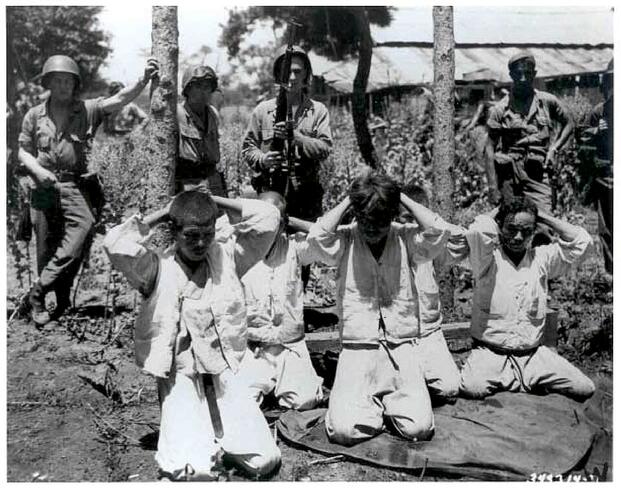
Just a month into the Korean War, a gruesome event unfolded at No Gun Ri, South Korea, that would later emerge as one of the darkest chapters involving U.S. troops and civilians. The massacre, which remained a hidden atrocity for decades, saw hundreds of South Korean civilians killed under the guise of military necessity.
Unfolding Tragedy
On July 26, 1950, a group of several hundred South Korean villagers was gathered by American soldiers near No Gun Ri. Promised safe passage, they were instead subjected to an air attack followed by ground fire. Survivors hastily sought refuge beneath a concrete railroad bridge while soldiers of the 7th Cavalry Regiment continued their assault for three days.
Military Missteps
The massacre took place amid an atmosphere of confusion and paranoia. As the war raged, fears of North Korean guerrilla infiltrations led U.S. commanders to adopt harsh measures. Orders were issued to treat refugees with suspicion, leading to tragic consequences at No Gun Ri.
The 7th Cavalry Regiment, newly arrived in Korea and unaccustomed to combat, faced chaotic retreats and poor leadership, factors that contributed to the disaster that unfolded. Eyewitness accounts from U.S. soldiers reveal a harrowing scene, with machine guns and mortars fired into the tunnels where civilians sought refuge.
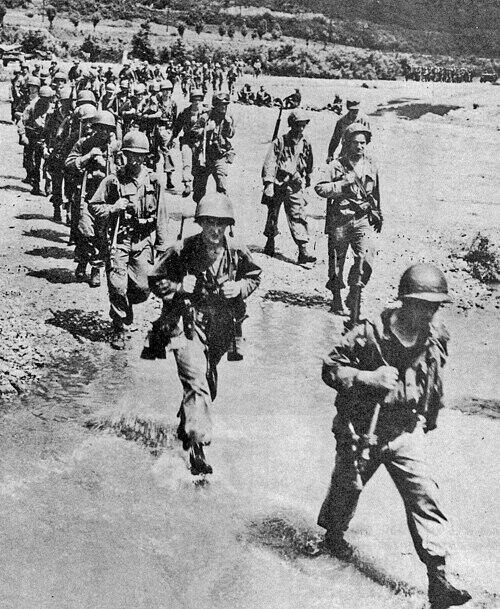
Buried Truth
The massacre was shrouded in silence for nearly five decades. Survivors, fearing repercussions, remained quiet under South Korea’s authoritarian regime. It was not until the late 1990s that the events at No Gun Ri gained international attention, largely due to an investigative report by the Associated Press, which won a Pulitzer Prize for its revelations.
While the U.S. Army later acknowledged that an unknown number of civilians were killed, they described it as an unfortunate wartime tragedy rather than an intentional massacre. However, declassified documents and testimonies suggest otherwise, indicating that higher-ups may have indeed issued orders to fire on the refugees.
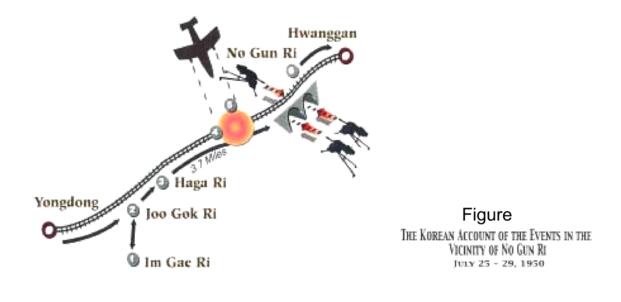
Unanswered Questions
Despite investigations by both the United States and South Korea, questions remain about the true nature of the No Gun Ri massacre. The U.S. Army’s final report termed it an “unfortunate tragedy,” while South Korean findings suggested more deliberate actions.
Crucial evidence, such as the regiment’s communications journal, was missing, leaving a significant gap in the historical record. Survivors and some military personnel have continued to contest the official narratives, highlighting discrepancies and calling for accountability.
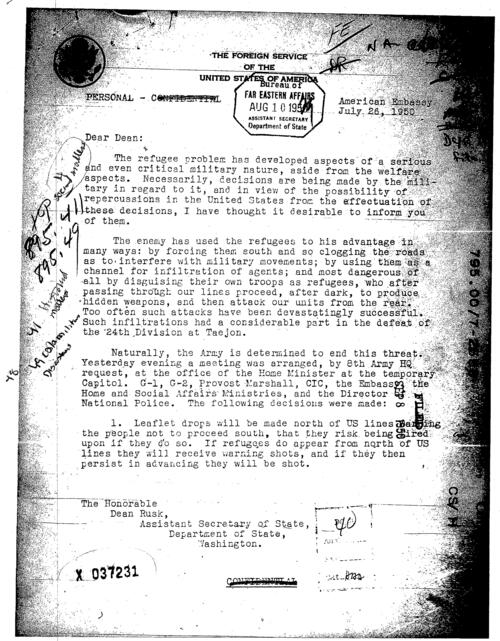
Legacy and Remembrance
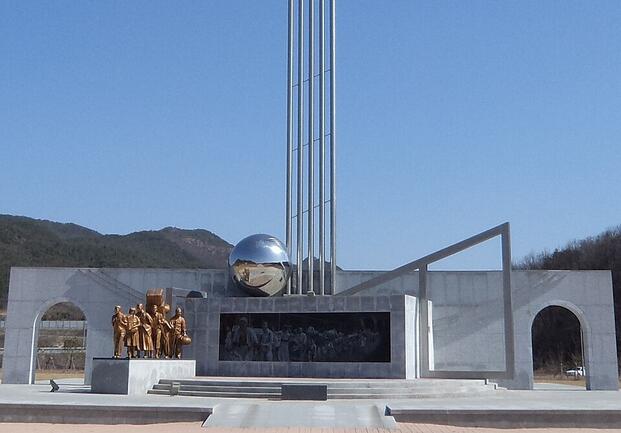
In the years following the revelation of these events, steps have been taken to remember and honor the victims. A peace park now stands at No Gun Ri, serving as a testament to the lives lost and a reminder of the lingering scars of war. Despite the passage of time, No Gun Ri remains a poignant symbol of the complexities and tragedies inherent in military conflicts.