Unveiling a Pivotal WWII Operation: The Assault on Truk Lagoon
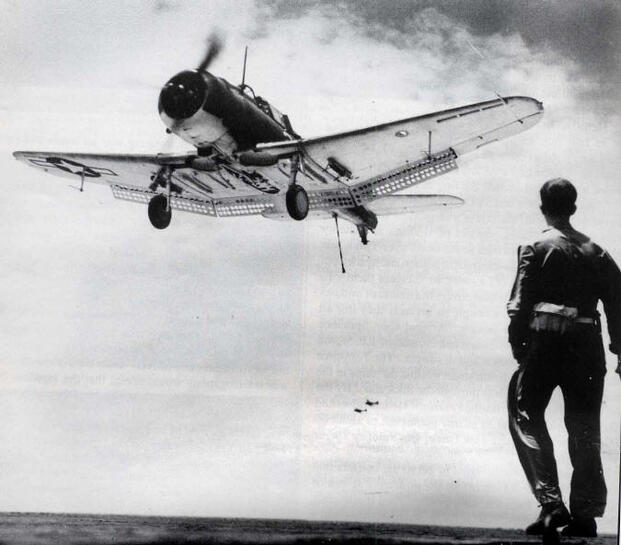
On February 17, 1944, Aviation Radioman 1st Class Dave Cawley and his fellow Navy aircrewmen embarked on a daring mission that would challenge the might of the Imperial Japanese Navy’s stronghold at Truk Lagoon. Known as Operation Hailstone, this operation marked a significant shift in naval warfare tactics during World War II.
“For the previous two years of the war, the very thought of approaching Truk seemed fatal,” Cawley later recalled. His words capture the daunting reputation this fortified base held prior to the operation’s success.
Truk Lagoon: Japan’s Pacific Fortress
Located approximately 1,000 miles northeast of New Guinea, Truk Lagoon served as a robust Japanese military base, fortified with airstrips, seaplane facilities, and extensive fuel oil storage. Despite the heavy defenses, including coastal guns and mines, the base was vulnerable due to a lack of adequate anti-aircraft weaponry.
Truk, often referred to as the “Gibraltar of the Pacific,” had never faced a direct assault from American forces until Operation Hailstone.
Revolutionizing Carrier Warfare
The U.S. Navy’s strategic advancement in carrier capabilities led to a formidable task force under Rear Adm. Marc Mitscher. Task Force 58, boasting a blend of fleet and light carriers, was equipped to unleash an unprecedented aerial assault from sea. This marked a departure from traditional amphibious-dependent operations.
Adm. Chester Nimitz’s confidence in Mitscher’s leadership was well-placed, as Mitscher’s approach emphasized strategic autonomy. “I tell them what I want done. Not how!” he famously noted. The operation aimed to neutralize Truk ahead of the Eniwetok invasion, a critical step in ensuring the success of broader Pacific campaigns.
Executing the Surprise Attack
The operation’s success hinged on the element of surprise. On February 17, 1944, American aircraft launched a pre-dawn assault, catching the Japanese forces off guard. The absence of radar-equipped anti-aircraft guns further facilitated the U.S. assault, leading to the destruction of Japanese air power and infrastructure.
Among those witnessing the devastation was Maj. Gregory “Pappy” Boyington, a prisoner of war, who was caught in the midst of the assault as he arrived from Rabaul.
Striking the Heart of the Japanese Fleet
Though Adm. Mineichi Koga had moved key warships away from Truk, the lagoon remained filled with merchant vessels and auxiliary ships. The U.S. forces capitalized on this, sinking numerous ships, including the auxiliary cruiser Aikoku Maru, which exploded catastrophically after being hit by a torpedo.
Despite the absence of major Japanese warships, the operation dealt a significant blow to Japan’s Pacific capabilities.
Innovative Night Operations
Operation Hailstone also saw the first successful night bombing mission from a carrier, led by Lt. Cmdr. Bill Martin. Twelve Avengers conducted a radar-guided strike, further crippling Japanese logistics and demonstrating the potential of night operations in naval warfare.
Operation Outcomes and Historical Impact
Over the course of two days, the U.S. forces sank a substantial portion of the Japanese fleet, including light cruisers and destroyers, while destroying hundreds of aircraft. The operation’s success effectively marooned the Japanese garrison on Truk, rendering it strategically impotent.
Adm. Nimitz aptly summarized the operation’s impact: “The Pacific Fleet has returned at Truk the visit made by the Japanese Fleet at Pearl Harbor.” This decisive victory underscored the growing prowess of American naval forces in the Pacific theater.
Legacy and Underwater Heritage
The wrecks from Operation Hailstone now form a unique underwater heritage site in Chuuk Lagoon. These relics stand as a testament to the operation’s significance and are protected as historical monuments and war graves.
Despite the passage of time, the operation’s legacy continues to be explored, with ongoing efforts to locate and recover missing American servicemen from the waters of Chuuk Lagoon.