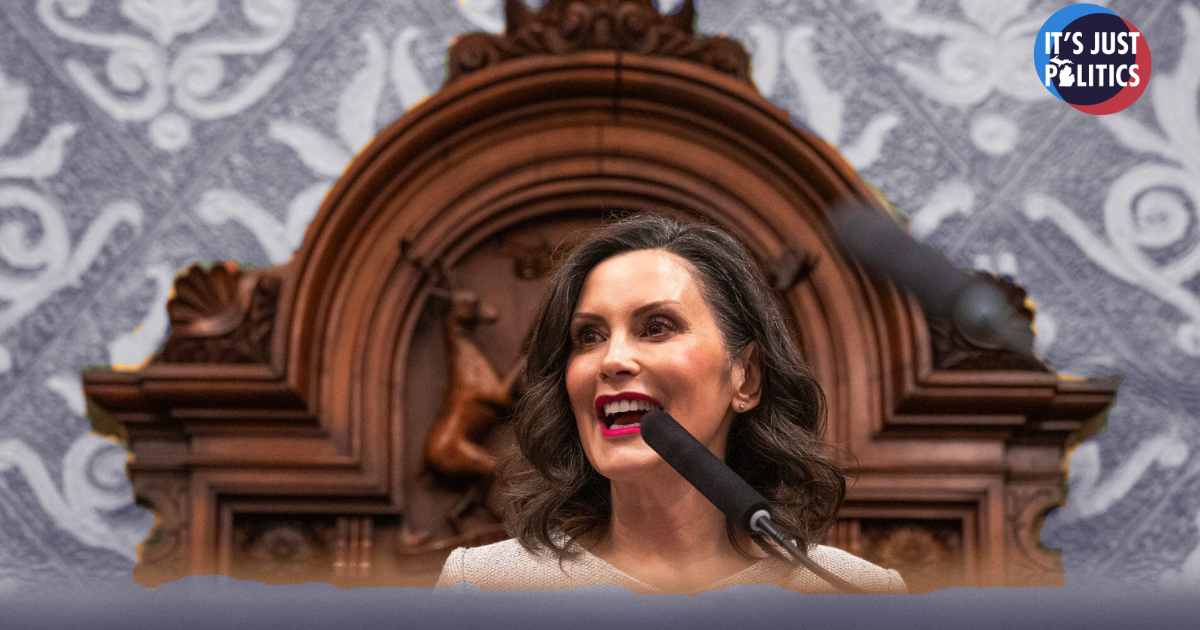
Michigan Governor Whitmer Outlines Agenda for Final Months in Office
Following her recent State of the State address, Governor Gretchen Whitmer is taking her agenda on the road to engage with Michiganders on critical issues facing the state. In a conversation with Rick Pluta, the Governor emphasized her commitment to tackling key priorities despite the political divisions in Lansing.
Priorities for the Governor
During the interview, Governor Whitmer expressed confidence in her ability to advance her agenda, which includes addressing affordable housing, healthcare, and literacy. She underscored the importance of focusing on issues that directly impact Michigan residents, highlighting the non-partisan nature of these critical areas.
She stated, “I’m not going to settle for anything less. People in Michigan need us to stay focused on the things that matter to them.” Whitmer remains optimistic about finding common ground on crucial matters such as literacy, affordable housing, and healthcare, emphasizing the need for bipartisan cooperation in the state legislature.
Protecting Civil Rights and Accomplishments
Governor Whitmer also highlighted her commitment to protecting LGBTQ+ rights and other civil rights advancements made during her tenure. She emphasized the importance of policies that promote equality and access to essential services for all residents of Michigan.
Moreover, Whitmer acknowledged the collaborative efforts that led to accomplishments in gun violence prevention, women’s healthcare, and racial equity. She credited the bipartisan support for these initiatives and vowed to continue championing these causes.
Legacy and Future Focus
When asked about her legacy as governor, Whitmer remained focused on her ongoing agenda to improve the quality of life for Michiganders. She stressed the need to address economic challenges and mitigate the impacts of federal policies affecting the state.
Reflecting on her State of the State address delivered from the state House rostrum where she began her political career, Governor Whitmer described the experience as “bittersweet.” Despite the nostalgia of the moment, she remains dedicated to fulfilling her responsibilities to the people of Michigan.
As Governor Whitmer continues her tour of Michigan to engage with residents and stakeholders, her commitment to addressing critical issues and advancing her agenda remains unwavering.
Michigan Governor Gretchen Whitmer recently delivered her final State of the State address, reflecting on her time in office and the challenges faced during her tenure. Whitmer expressed gratitude towards the people of Michigan for their support and highlighted the importance of bipartisanship in achieving her agenda.
During her speech, Whitmer acknowledged the loss of her father and the impact he had on her career in state government. She emphasized the role of her family in driving her work and thanked the residents of Michigan for the opportunity to serve as governor. Whitmer’s address was a bittersweet moment, filled with reflections on her journey in public service.
Looking ahead, the political landscape in Michigan remains divided, with a Senate controlled by Democrats and a House run by Republicans. The upcoming special election in the 35th Michigan Senate District will play a crucial role in determining the balance of power in the legislature. The results of this election will impact Whitmer’s ability to advance her agenda in her final months in office.
Additionally, Republican House Speaker Matt Hall proposed a conceptual plan to pay for property tax relief, sparking a major political debate in Michigan. Whitmer expressed interest in the plan, highlighting the importance of exploring different solutions to address tax issues in the state. The proposal is expected to undergo further scrutiny and amendments as it moves through the legislative process.
As the gubernatorial campaign heats up in Michigan, several candidates have emerged as potential contenders for Whitmer’s position. Secretary of State Jocelyn Benson, State Senate Minority Leader Aric Nesbitt, Congressman John James, and former Michigan Attorney General Mike Cox are among those vying for the governorship. The upcoming election promises to be a lively contest, with candidates actively engaging with voters to secure their support.
Overall, Governor Whitmer’s State of the State address marked a poignant moment in her tenure, filled with reflections on her journey and gratitude towards the people of Michigan. The political landscape in the state remains dynamic, with key elections and policy debates shaping the future of Michigan politics.
New Article
Recent studies have shed light on the impact of social media on mental health, revealing concerning trends among young adults. The research indicates that excessive use of platforms like Facebook and Instagram may contribute to feelings of loneliness and depression. Let’s delve into the key findings and implications of these studies.
Key Findings of the Studies
A study conducted by researchers at a prominent university found that young adults who spent more than two hours a day on social media were more likely to report feelings of social isolation. Additionally, another study revealed a correlation between heavy social media usage and symptoms of depression.
Implications for Mental Health
These findings raise concerns about the potential negative impact of social media on mental well-being, especially among the younger population. The constant comparison with others’ curated lives on social platforms can lead to feelings of inadequacy and low self-esteem.
Expert Insights
Dr. Smith, a psychologist specializing in adolescent mental health, emphasized the importance of striking a balance when using social media. He recommended limiting screen time and engaging in offline activities to maintain a healthy mental state.
Recommendations for Users
Based on these studies, it is advisable for individuals, especially young adults, to be mindful of their social media consumption. Setting boundaries, taking breaks, and prioritizing real-life interactions can help mitigate the negative effects on mental health.