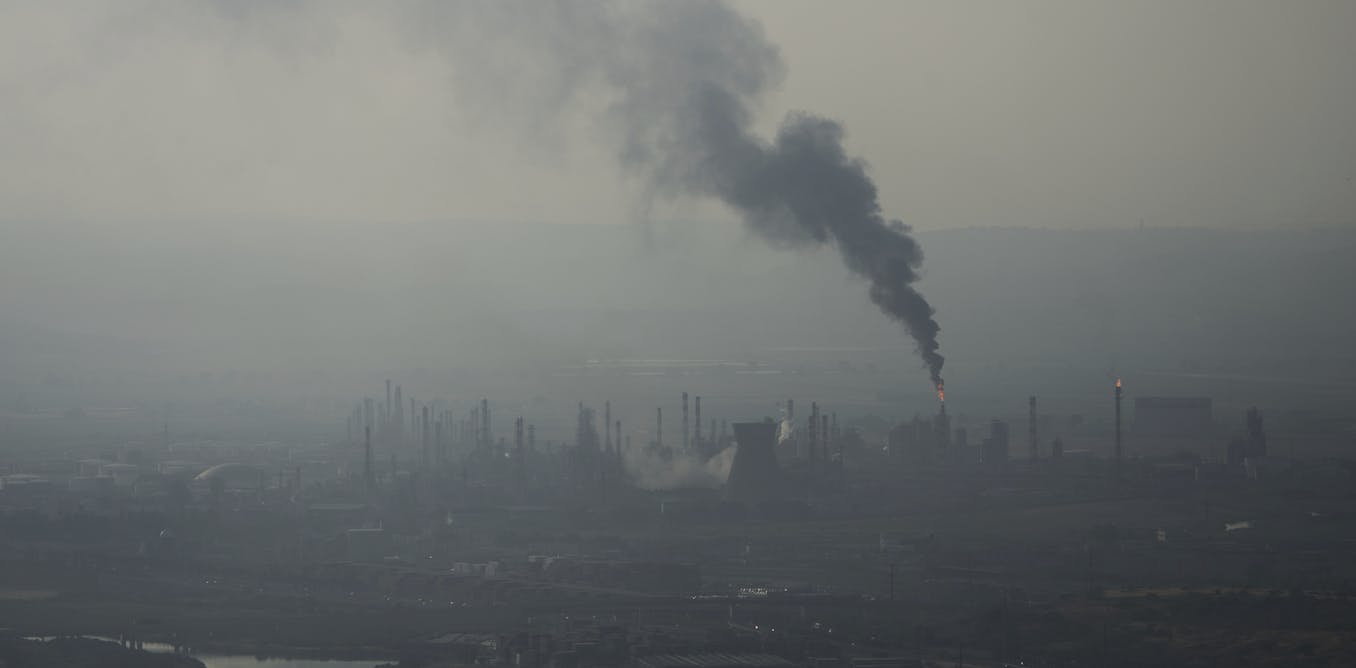
Amid escalating tensions in the Middle East, the world faces significant economic uncertainties reminiscent of the “fog of war” phenomenon. This uncertainty casts a shadow over global markets, particularly when it involves a region crucial for the production and transport of a substantial portion of the world’s energy resources.
The aftermath of recent U.S.-Israeli military actions against Iran has sparked concerns about potential economic fallout. On March 6, 2026, Qatar’s energy minister warned of severe global economic repercussions, stating, “This will bring down the economies of the world.”
In the United States, the economy is already showing signs of vulnerability. New data indicate an unexpected decline in employment in February, adding to the growing economic concerns.
Economic Uncertainty and Potential Risks
The duration of the Iran conflict and the extent of international involvement remain uncertain, influencing the potential impact on global economies. It is anticipated that disruptions in oil and natural gas supplies, especially through the critical Strait of Hormuz, will have significant implications. This strategic waterway, through which a large portion of Middle Eastern energy supplies pass, has become perilous and uninsurable, leading to a near halt in shipping traffic.
The conflict has already resulted in a 25% surge in crude oil prices since the hostilities began, driving up gasoline costs in the U.S. The military campaign is proving costly for the U.S., with early estimates suggesting expenses of nearly $1 billion per day, compounded by losses in military equipment and missile stocks.
Dealing with Supply Shock Challenges
History offers lessons, such as the 1979 Iranian Revolution, which led to stagflation in the U.S. and Europe. While today’s economies are less dependent on oil, the challenges of handling supply shocks persist. Policymakers face tough decisions, akin to those made during the COVID-19 pandemic.
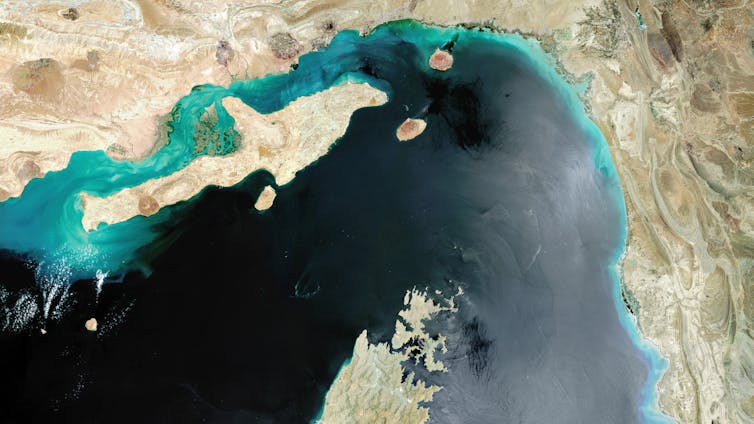
Gallo Images/Copernicus Sentinel 2017/Orbital Horizon via Getty Images
Balancing Inflation and Economic Stimulus
A critical question for central banks is whether to raise interest rates to curb inflation or lower them to stimulate the economy and reduce unemployment. Previous experiences, such as in the late 1970s and during the pandemic, show that keeping rates low can lead to inflation spikes.
The U.S. managed to reduce inflation after the pandemic without triggering a severe recession, thanks to a history of low inflation expectations. However, current geopolitical tensions could disrupt these expectations.
Emerging Economic Threats
The Federal Reserve’s credibility is under scrutiny due to political pressures, including President Donald Trump’s criticism of Chairman Jerome Powell and the legal challenges facing Federal Reserve Board member Lisa Cook. Concerns about these issues could potentially lead to higher inflation.
Additional economic challenges include tariff policies, government employment cuts, increasing federal debt, and potential financial vulnerabilities. A surge in oil prices could exacerbate these issues, leading to reduced consumer and business spending and potentially triggering a recession.