A sudden and significant change in global oil production has led to a dramatic increase in crude oil prices, surpassing $100 for the first time in nearly four years as of Monday.
Amidst ongoing conflict with Iran, President Trump appears to present no immediate solution, causing speculation about further price hikes in the oil futures market.
Oil prices came close to reaching $120 per barrel overnight; the escalation was moderated by discussions among Western nations aimed at addressing soaring fuel costs. This intervention offered slight, albeit limited, relief to nervous market conditions.
Monday morning witnessed oil futures rising by 11%. Both U.S. oil and Brent crude reached record levels, marking some of the largest single-day dollar increases in history.
Specifically, U.S. oil futures experienced an $8 increase to $99 per barrel, while Brent futures climbed $9, reaching $101. Such a significant increase in one day, topping $11, has never been recorded. The previous peak was set on June 6, 2008, at $10.75.
The last occurrence of oil prices exceeding $100 was after Russia’s invasion of Ukraine, during which prices soared above $100 in March 2022 and remained so until mid-July 2022.
Two major factors linked to the escalation in oil prices include the near-total shutdown of the Strait of Hormuz and reduced oil production across the Middle East.
The Strait of Hormuz, a vital channel for transporting 20% of global oil via tankers, has seen threats from Iran against vessels trying to pass. This has caused a significant halt in oil transit and deliveries.
The approximately 20% disruption in supply is estimated to be twice the scale of any previous incident, such as the Suez Crisis of 1956-1957, according to data from Rapidan Energy Group.
The conflict has also led to the elimination of spare capacity due to the isolation of Saudi Arabia and the UAE from global oil markets. Spare capacity is crucial as it allows for rapid production increases if necessary, acting as a buffer for energy markets.
“The result is a market with no meaningful cushion. There is no swing producer to step in,” wrote Bob McNally, founder and president of Rapidan, in a client note.
With oil movement stalled, producers have hit a storage capacity ceiling, leading them to curtail output.
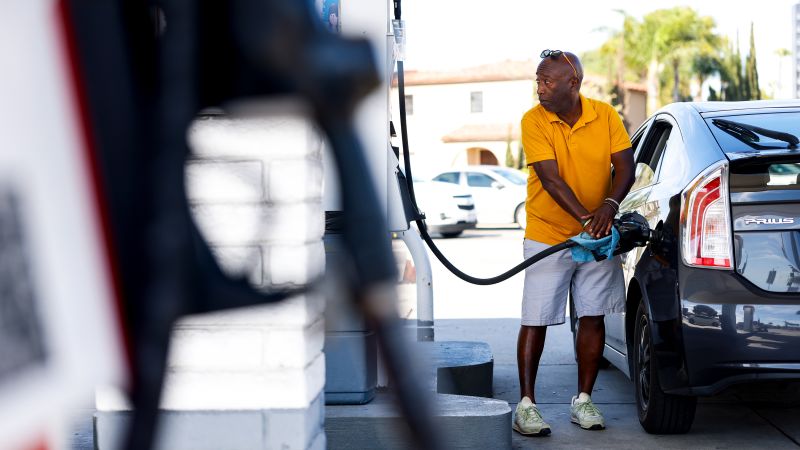
This surge in crude prices has led to a corresponding rise in gasoline prices. In the United States, gas prices jumped approximately 50 cents over a week, reaching $3.48 per gallon, higher than at any point during President Donald Trump’s administration.
However, the conflict with Iran is extending beyond expectations, signaling that initial optimism about a quick resolution was misplaced. Recent price hikes echo this changing sentiment as traders adjust to the prolonged nature of the conflict.
“I would say that the move is a bit overdone in the very short term, but if between now and the end of March you don’t have an amelioration of traffic around the strait, we could go to $150 a barrel,” stated Homayoun Falakshahi, lead crude research analyst at Kpler.
In an effort to address these challenges, government officials are striving to curb market pressures. The G7 finance ministers are set to convene on Monday to deliberate on the joint release of oil reserves. Concurrently, the Trump administration has been advocating for an insurance program for tankers navigating the strait, designed to reassure maritime insurers who have been reluctant to cover vessels in the region due to rising threats.
Additionally, the White House indicated its intention to secure naval escorts for ships, though detailed plans have yet to be unveiled, and shipping companies remain wary of traversing the area amid ongoing hostilities.
In the absence of an effective solution to the strait’s partial blockade, oil prices are likely to continue their upward trajectory.
“The higher the price goes, the more pressure on the Trump administration to do something to protect the strait,” said Pickering. “The longer it takes to re-open, the more upward pressure on price. A reinforcing cycle.”