South Korea Considers Impact of U.S. THAAD Deployment Amid Middle East Tensions
As tensions escalate in the Middle East, the United States faces strategic decisions about deploying its limited air defense resources. South Korean President Lee Jae Myung recently addressed the potential for U.S. air defense systems, stationed in South Korea, to be repositioned to support U.S. efforts in the region. This move underscores the complex global military landscape and the necessity of reallocating critical defense assets.
In a cabinet meeting, President Lee Jae Myung acknowledged the possibility of U.S. forces relocating some air defense systems, like the Terminal High Altitude Area Defense (THAAD), despite Seoul’s objections. Although South Korea cannot prevent the U.S. from moving its assets, Lee assured that the nation’s defenses are robust enough to deter threats from North Korea. Details of his remarks can be found here.
Reports from The Washington Post suggest that parts of the THAAD system are already on their way from South Korea to the Middle East. Korean media have also observed military transport activity between the regions. The Pentagon has yet to comment on these developments.
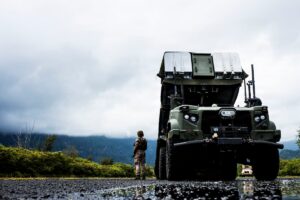
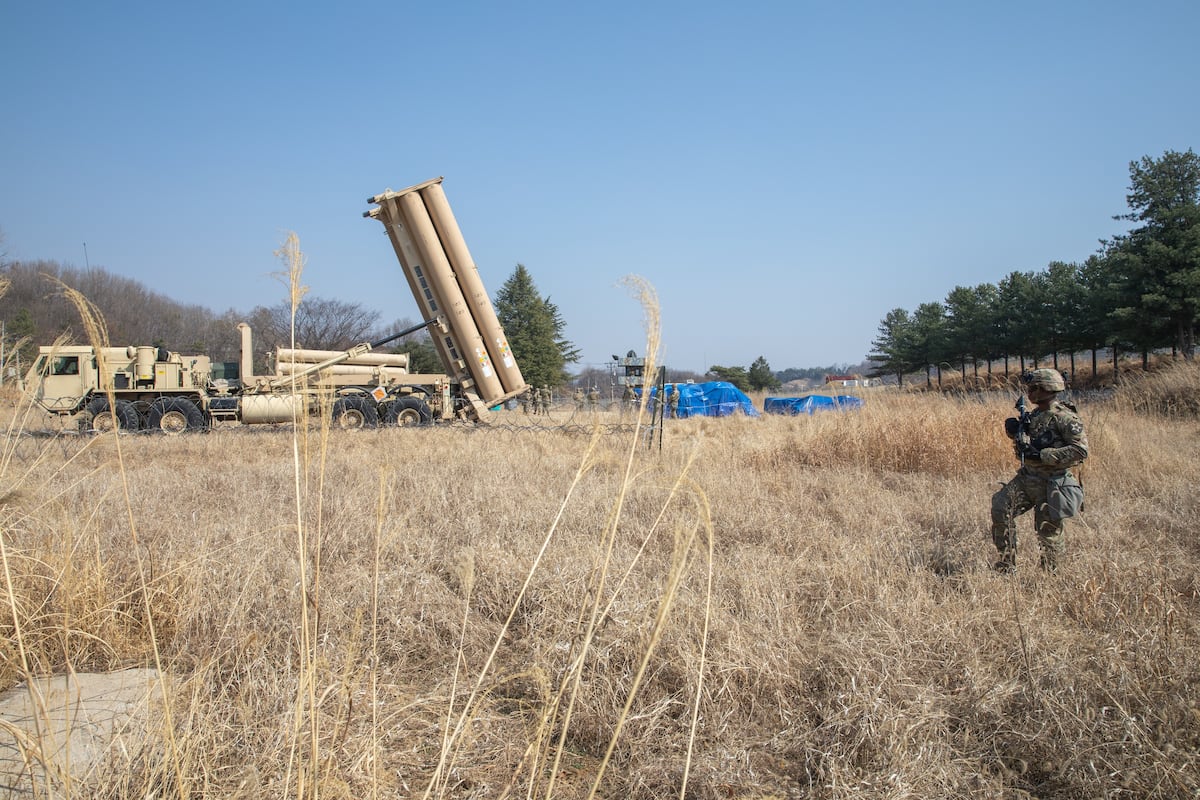
THAAD, a sophisticated system developed by Lockheed Martin, is designed to intercept various ballistic missile threats. It includes several components such as interceptors, radars, and launch systems, although it’s not clear which specific parts might be moved.
CNN analysis indicates that recent Iranian attacks may have targeted radar sites linked to U.S. missile defense systems in the Middle East, including those associated with THAAD. Notably, THAAD was first used operationally in 2022 when it intercepted a missile launched by Iranian-backed forces in Yemen. For more on this, see the full story here.
Initially deployed in South Korea in 2017, THAAD plays a vital role in the peninsula’s defense against North Korean missile threats. However, the U.S. Army operates only a handful of these batteries globally, making any redeployment a significant logistical challenge. Past deployments, such as the 2024 THAAD deployment to Israel, have already highlighted strains on the Army’s resources, as noted here.
With the growing prevalence of ballistic missiles and drones in modern warfare, missile defense systems like THAAD are increasingly indispensable. Wes Rumbaugh from the Center for Strategic and International Studies recently emphasized the critical importance of these systems, especially in light of the substantial interceptor use during the June conflict between Israel and Iran. His full analysis is available here.
The current conflict with Iran is already challenging the U.S. military’s missile defense capabilities, with analysts expressing concerns over the depletion of the THAAD inventory. The prolonged nature of Operation Epic Fury has further stressed the need for sustainable supplies. For additional insights, refer to this report here.