When faced with an unexpected pregnancy, navigating personal and relationship dynamics can become complicated. One individual shared their journey of discovering a potential pregnancy complication during an earlier marriage, only to become pregnant without issues in their second marriage, despite their husband’s initial reluctance towards parenthood.
Initially surprised by the pregnancy, her husband eventually embraced the idea of becoming a father, transforming their lives in unforeseen ways as they raised their daughter together. The experience was described as exhausting yet enriching, turning mundane days into adventurous moments.
However, the desire for a second child sparked ongoing discussions. One night, while reminiscing over baby photos, the question of expanding their family arose, but her husband’s response was firm: “I don’t want any more kids. She’s perfect for me.”
The couple frequently revisits this conversation, attempting to find common ground. Licensed marriage therapist Amber Trueblood highlights that such differences are common among couples, emphasizing the importance of understanding each partner’s perspective. She notes, “Parenthood is hard on a marriage, and for some partners, the idea of doing everything all over again isn’t exciting. It’s terrifying.”
Creating a Safe Space for Dialogue
Exploring the idea of a second child involves navigating complex emotions and motivations. Trueblood suggests that financial concerns or fears of genetic issues might influence a partner’s hesitation, while others may yearn for the sibling relationships they cherished during their own upbringing.
The author shares the challenge of envisioning a future that aligns with her desires while recognizing her husband’s valid concerns. Open, pressure-free communication is encouraged, allowing both partners to explore their feelings without fear of manipulation.
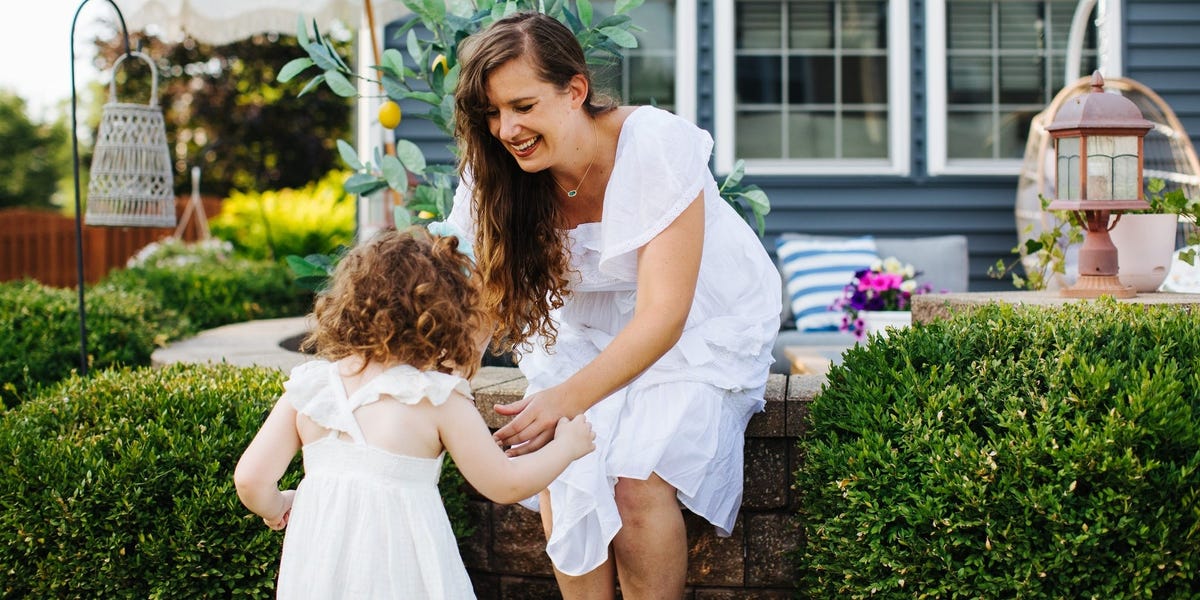
Courtesy of Claire Volkman
Trueblood reiterates, “Without feeling that pressure, each person is much better able to absorb and explore both their own feelings and their partner’s feelings. You may find a shift happens in one or both partners if neither feels they are being challenged or manipulated.”
Facing the Possibility of Change
The dilemma of whether to leave a relationship over differing desires about having more children is a difficult one. As Trueblood advises, partners must honestly consider their ability to release frustration and maintain a healthy relationship for the sake of their current family dynamic.
For some, the decision is straightforward, while for others, fulfillment is found in cherishing the family they have. The author has chosen to focus on nurturing her daughter, despite moments of heartache when friends announce pregnancies.
As they continue to navigate this ongoing conversation, the relationship’s resilience is a testament to their bond, whether they decide to welcome more children or cherish their family as it is.