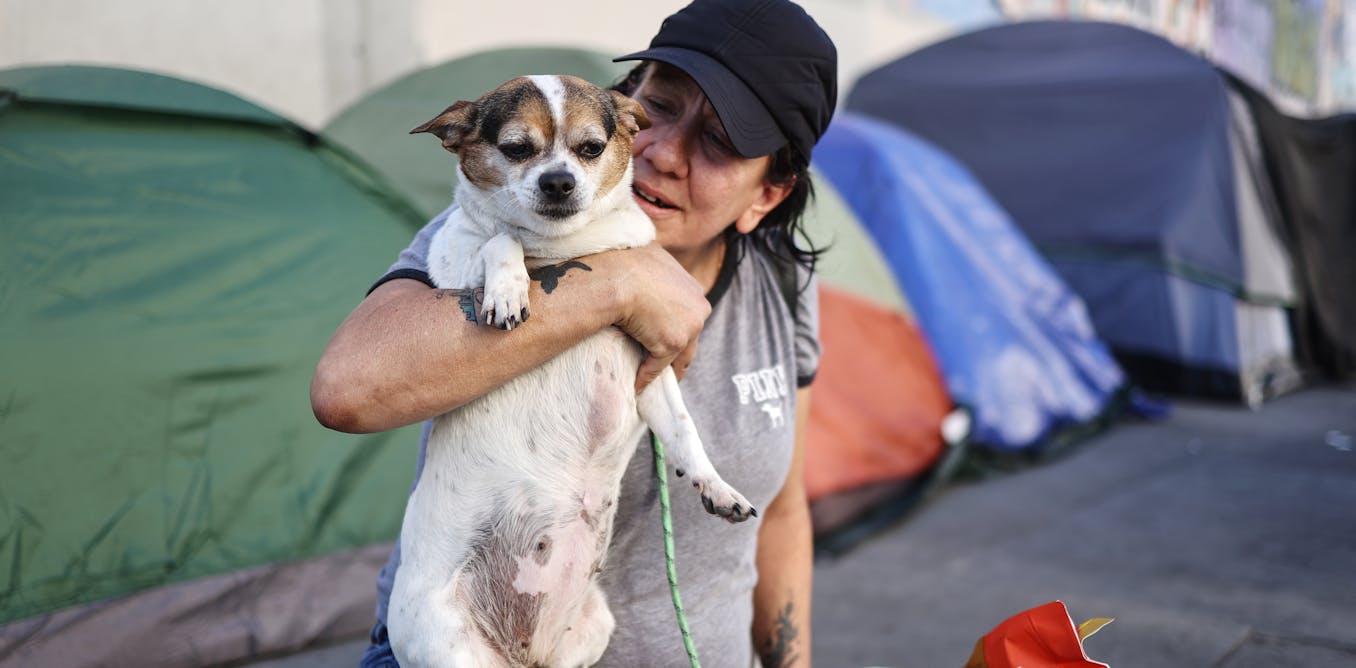
Innovative strategies are emerging to address the complex issue of homelessness, one of which involves allowing pets in shelters. This approach not only provides a safe haven for people but also for their furry companions, offering a more holistic solution to homelessness.
Research conducted by the University of Southern California’s Homelessness Policy Research Institute sheds light on the benefits of this strategy through the evaluation of California’s Pet Assistance and Support Program.
Launched in 2019 by California’s Department of Housing and Community Development, this program aimed to make shelters more accessible for people with pets, primarily dogs. The initiative was designed to prevent the difficult choice between seeking shelter and abandoning beloved pets.
From 2020 to 2024, the program allocated US$15.75 million to 37 organizations statewide. These funds were used to create pet-friendly environments in shelters, offer pet food and supplies, and provide essential veterinary care. The funding also supported staffing and insurance necessary for these operations.
Insights from the Evaluation
The evaluation, conducted in partnership with My Dog Is My Home and the American Society for the Prevention of Cruelty to Animals, indicated significant success.
The program supported 4,407 homeless individuals in retaining their pets while accessing shelter services. Many found shelter accommodations, and their pets received needed care. Of these individuals, 886 transitioned to permanent housing with their pets, surpassing the statewide average for homeless rehousing in California.
Despite these achievements, since 2019, the number of homeless individuals with pets in Los Angeles has risen, even though the initiative was expected to reduce such figures.

Qian Weizhong/VCG via Getty Images
Through years of research, including leading the USC team responsible for Los Angeles’ annual homeless count, insights into the dynamics of homelessness and pet ownership have been revealed. The U.S. Department of Housing and Urban Development mandates this count for cities seeking federal funding for homelessness initiatives.
In surveys conducted before the pandemic, about 1 in 8 homeless individuals owned pets. Nearly half were denied shelter due to pet restrictions.
Despite the Pet Assistance and Support Program, the proportion of homeless individuals with pets in Los Angeles has grown to 1 in 5 by 2025.
Addressing the Growing Need
The reasons behind the increase in homeless pet ownership remain unclear. Rising housing costs, a key factor in homelessness, might be driving more pet owners onto the streets. Alternatively, pets may serve as companions for those facing social isolation and loneliness, common issues among the homeless.

Grace Hie Yoon/Anadolu via Getty Images
Proposed federal cuts to affordable housing and homeless services, if enacted, could exacerbate the situation.
The homeless population in Los Angeles has decreased by over 4% since 2023, reaching just over 72,000 in 2025. However, without expanded affordable housing and broader implementation of pet-friendly programs like the Pet Assistance and Support Program, numbers may climb again.
Ultimately, addressing homelessness requires comprehensive solutions, including innovative approaches like accommodating pets in shelters.