While the conflicts in the Middle East might seem distant, their repercussions are acutely felt in Virginia, particularly through the ripple effects on everyday expenses. This is primarily due to disruptions in a crucial global oil artery — the Strait of Hormuz.
This strategic waterway is a conduit for about a fifth of the world’s oil supply. Its stability directly influences global oil prices, which in turn affects the price Virginians pay at the pump and in stores.
The current turmoil presents three primary concerns for families in Virginia:
- Sustained high fuel prices until normal oil flow resumes
- Extended impacts on fuel and commodity costs with prolonged disruptions
- Potential economic repercussions, including jobs and broader economic vitality
The free passage of oil through the Strait of Hormuz is critical to energy markets. With its disturbance, oil prices are soaring, and this is reflected in the increasing gas prices faced by Virginia’s motorists.
According to U.S. Energy Secretary Chris Wright, it may take weeks before the U.S. Navy can ensure safe passage for oil tankers in the region, but prices may not drop immediately even after that.
If the conflict were to end immediately, analysts suggest it could still take one to three months to restore full passage and clear the backlog of waiting ships.
Prolonged instability could continue to drive up oil prices, with some predictions warning of prices rising to $150 per barrel.
Already, the repercussions are evident in Virginia:
- Statewide gas price increases are affecting daily commutes
- Diesel prices, essential for freight transport, are nearing $5 per gallon
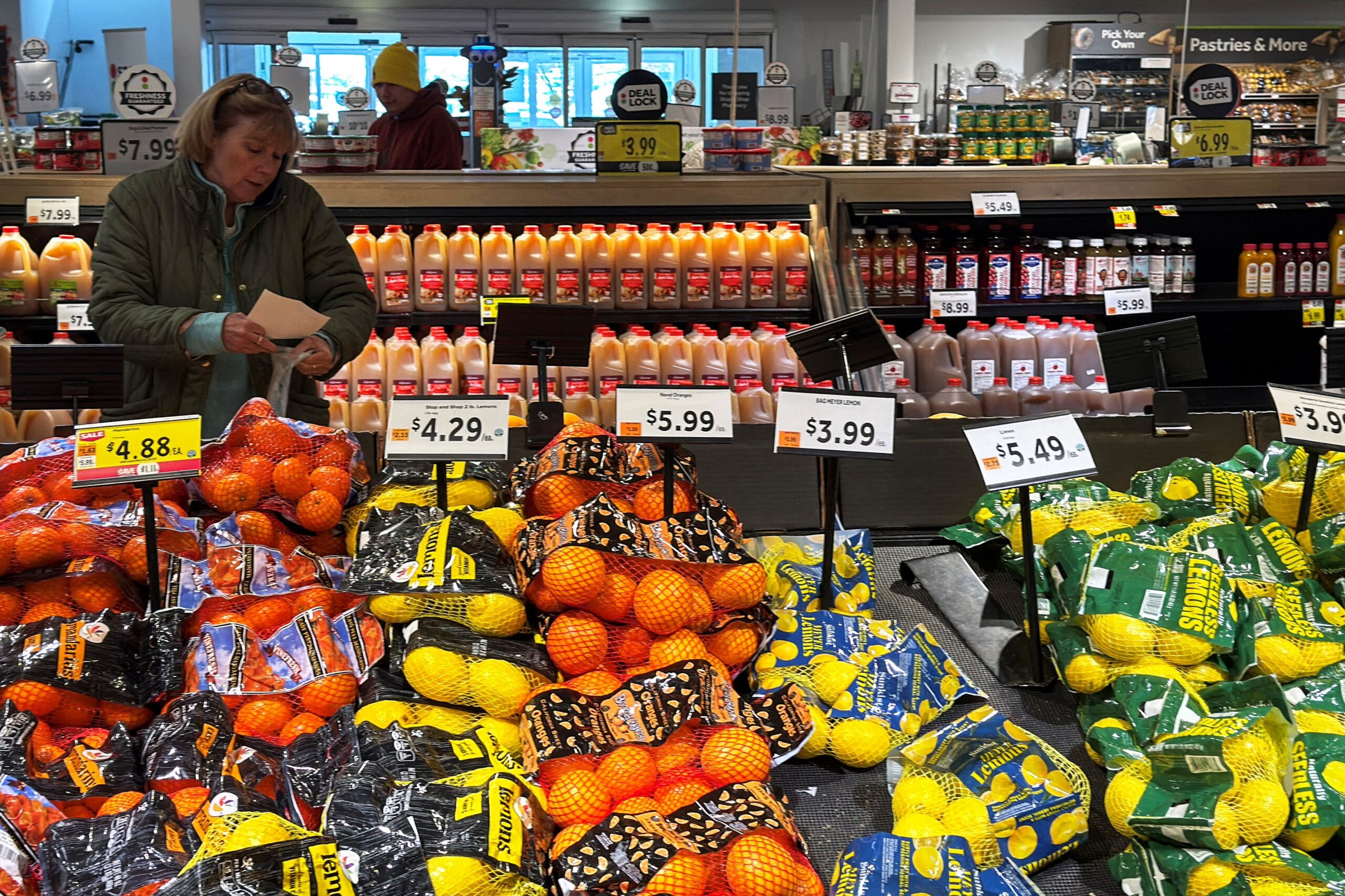
- The cost of fuel is impacting the price of groceries, shipping, and travel
Virginia’s economy is particularly vulnerable to these fluctuations due to its reliance on trucking, shipping through the Port of Virginia, and extensive commuter routes in areas like Northern Virginia, Hampton Roads, and Richmond.
As diesel costs rise, businesses are imposing fuel surcharges. Companies, including major logistics players like FedEx, are passing these expenses onto consumers, indicating a probable increase in prices of essentials such as:
- Dairy products, fresh produce, and seafood
- Online shopping deliveries and consumer goods
- Flight tickets and other travel expenditures
The longer high energy prices persist, the greater the risk of far-reaching economic consequences, extending to Virginia. Historically, sharp oil price hikes often precede economic slowdowns, as elevated fuel costs can:
- Raise operational costs for local businesses
- Discourage consumer spending by tightening household budgets
- Stress key sectors like transportation, logistics, and tourism
Currently, Virginia businesses are managing rising expenses due to tariffs and supply chain issues. A prolonged energy cost surge could exacerbate these pressures.
Economists are expressing growing concern. Goldman Sachs analysts have revised their recession probability this year to 25%, also forecasting increased inflation and unemployment risks.
For families in Virginia, the critical factor remains when — and if — normal oil flow through the Strait of Hormuz can resume. Until then, residents should brace for sustained fuel price pressures and consequential rising costs across various sectors.
Essentially, the global conflict is fast becoming a pressing local issue for Virginians, influencing not only fuel prices but broader economic factors.