The conflict between the United States and Iran has intensified, with the Pentagon preparing its most extensive strike against Iran to date. This escalation introduces significant risks to the global energy market, particularly as tensions rise in the strategically vital Strait of Hormuz.
Recent briefings from the Pentagon highlight a new operational phase, marked by larger strikes aimed at key Iranian facilities. Defense Secretary Pete Hegseth stated, “Today will be the largest strike package yet,” indicating a substantial shift in the U.S. military strategy.
The targets have expanded beyond missile and air defense sites, now including Iran’s defense industrial base and naval infrastructure. This expansion reflects a strategy aimed at dismantling Tehran’s capacity for long-term military operations.
US Strikes Cripple Iran Military Capabilities
The U.S. military has dramatically increased pressure on Iran’s missile, drone, and defense production networks, significantly impairing Iran’s military capabilities. Hegseth stated, “Iran’s air defenses [are] flattened,” noting the widespread destruction of missile and drone production facilities.
The strikes have gone beyond launch sites to target manufacturing hubs and underground facilities essential to Iran’s missile and UAV programs. This comprehensive approach aims to prevent Iran from regenerating its combat capabilities.

Gen. Dan Caine, Chairman of the Joint Chiefs, confirmed the expanded operational scope, noting that U.S. forces are penetrating further into Iranian territory. Hegseth reported a 90% reduction in ballistic missile attacks against U.S. forces, alongside a similar decline in drone assaults.
Despite these successes, Iran retains some strike capability and continues to carry out attacks in the region. Hegseth acknowledged, “They will still shoot, we know that. But they would shoot a lot more if they could, but they can’t.”
Iran Navy Paralyzed in Strait of Hormuz
Increased hostilities at sea have seen U.S. forces targeting Iran’s naval fleet and mine-laying capabilities, significantly impacting Iran’s maritime strength. Hegseth reported, “We’ve damaged or sunk over 120 of their navy ships,” rendering Iran’s surface fleet largely ineffective.
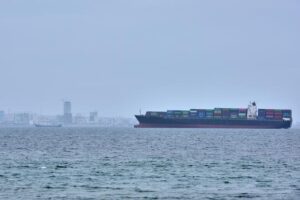
U.S. operations have focused on disabling fast attack craft, mine layers, and naval bases, aiming to secure commercial shipping routes through the Strait of Hormuz.
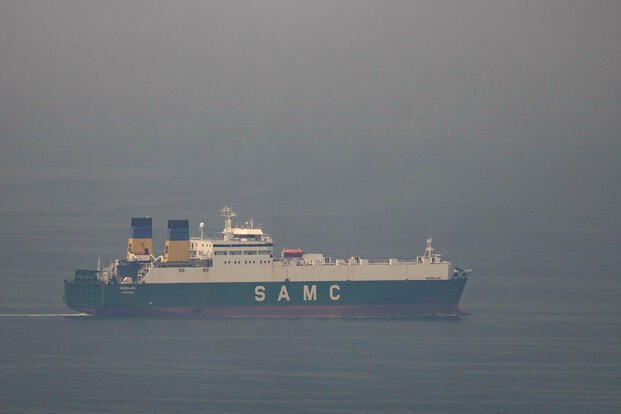
Advanced aircraft such as A-10s and AH-64 Apache helicopters have been deployed to target fast-attack craft and reinforce maritime security in this critical energy corridor. The Strait of Hormuz is key to global oil distribution, carrying approximately 20% of the world’s supply.
Global energy markets are already feeling the strain of this conflict, with U.S. gas prices soaring to levels not seen since the COVID-19 pandemic. Military.com has reported on recent attacks on commercial shipping and energy sites, raising alarms about potential global supply disruptions.
Pentagon Says US ‘Winning’ Iran War
Pentagon officials have dismissed comparisons to previous conflicts in Iraq and Afghanistan, emphasizing the current campaign’s focus and precision. “This is not those wars,” Hegseth stated, underscoring the operation’s targeted nature.
The campaign, referred to as “Epic Fury,” is characterized as a decisive air and maritime effort to reduce Iran’s regional military influence. Pentagon leaders maintain that the U.S. is “winning decisively and on our terms,” with ongoing operations tailored to specific military objectives.
For more insights into the Pentagon’s strategy, see the earlier coverage by Military.com, which discusses the campaign’s initial phase targeting hundreds of sites.