U.S. Military Plans New Troop Deployment to the Middle East Amid Tensions
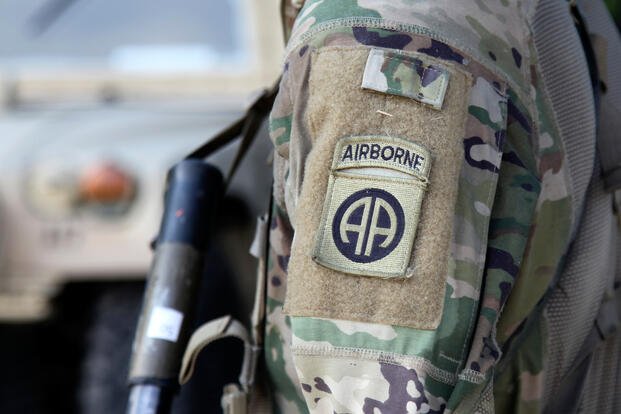
In a strategic move reflecting ongoing tensions in the Middle East, the United States is preparing to send over 1,000 troops from the renowned 82nd Airborne Division to the region. This deployment is part of a broader military strategy involving thousands of additional Marines, as confirmed by sources familiar with the plans.
The 82nd Airborne Division, renowned for its rapid deployment capabilities, is being mobilized to provide critical response support. The unit comprises a battalion from the 1st Brigade Combat Team and is under the leadership of Maj. Gen. Brandon Tegtmeier and his division staff. Officials have spoken under anonymity due to the sensitive nature of these operations.
This military augmentation follows recent announcements of Marine units being dispatched. These units, stationed aboard Navy ships, have been tasked with various operations including embassy support and civilian evacuations. The 82nd Airborne’s primary mission, however, is to secure contested areas through airborne operations.
When questioned about these developments, White House spokeswoman Anna Kelly redirected queries to the Pentagon, emphasizing that “President Trump always has all military options at his disposal.”
On Capitol Hill, the Senate Armed Services Committee is scheduled to receive a detailed, classified briefing from Pentagon officials. The briefing will likely cover the logistics and strategic implications of the troop deployment, as noted by an anonymous U.S. official.
Reports from The New York Times have also highlighted the potential deployment, providing further insight into the military’s strategic positioning. Previously, the USS Tripoli and the 31st Marine Expeditionary Unit, originally stationed near Taiwan, were redirected to the Middle East. Additionally, a San Diego-based rapid-response Marine force has been dispatched, bolstering the U.S. presence with approximately 5,000 Marines and thousands of sailors.
This military buildup coincides with the Trump administration’s claim of initiating peace talks with Iran. Although the U.S. has declared that negotiations are underway, facilitated by figures like Steve Witkoff and Jared Kushner, Iran has publicly denied such talks. President Trump asserted, “We have a number of people doing it,” and indicated a willingness from the Iranian side to negotiate.
Iranian Foreign Minister Abbas Araghchi has been actively engaging in discussions with international counterparts, yet Iranian parliamentary speaker Mohammad Bagher Qalibaf has refuted any direct talks with the U.S. Meanwhile, an Iranian military spokesperson has issued statements emphasizing a commitment to continue fighting until “complete victory.” These developments highlight the complexity and volatility of the geopolitical landscape in the Middle East.
For further details on the deployment plans, visit the Associated Press article and learn more about the ongoing negotiations here. Additional insights on Iran’s stance can be found in this report.