Volkswagen Explores Defense Manufacturing: Potential Shift in Osnabrück
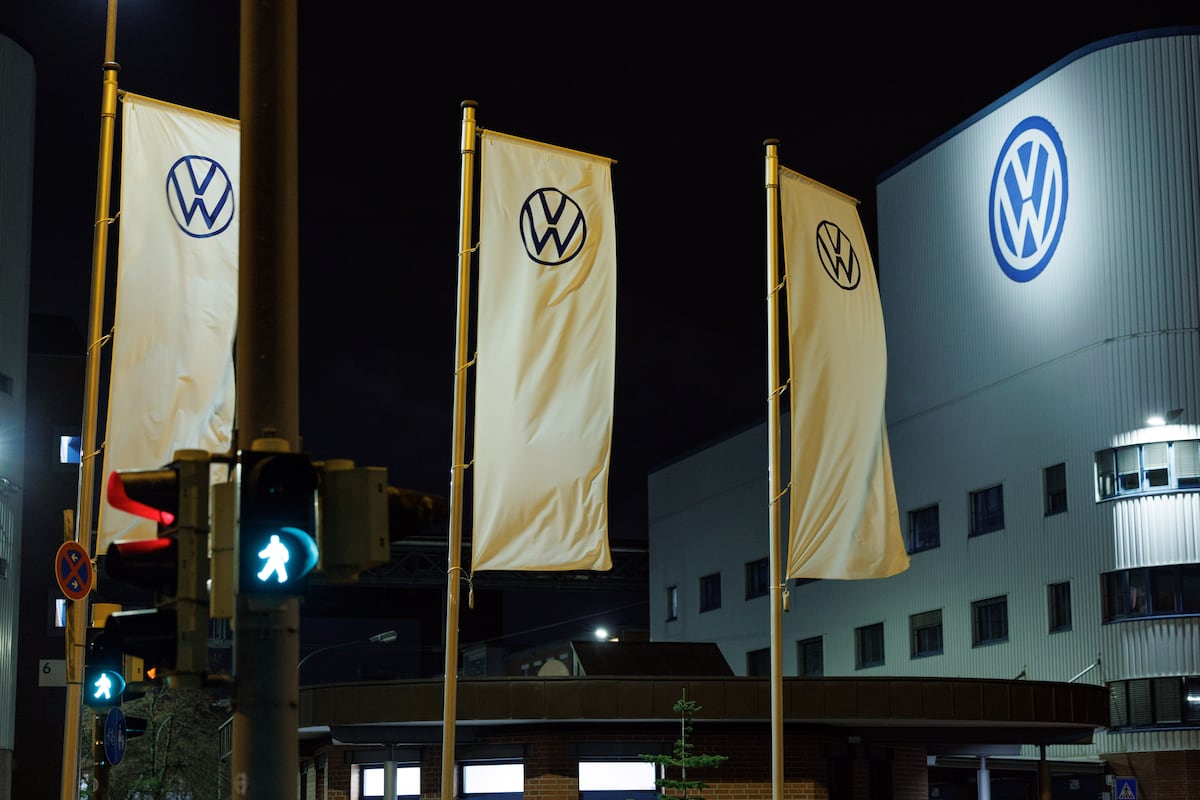
Volkswagen is contemplating a significant shift in its manufacturing strategy. The German automaker is reportedly in talks with Rafael Advanced Defence Systems from Israel to repurpose its Osnabrück factory for defense production, according to a Financial Times report. This move could mark a pivotal change for Germany’s automotive industry as it increasingly turns to military production.
The potential collaboration between Volkswagen and Rafael Advanced Defence Systems could transform the Osnabrück site into a hub for Iron Dome air defense system components. This pivot reflects a broader trend in Germany’s automotive industry, which has been facing competitive challenges and is now exploring defense manufacturing as a new avenue. The Federal Association of the German Security and Defence Industry had previously suggested converting unused auto capacity to support defense production, aligning with Germany’s expansive rearmament strategy and the EU’s ReArm Europe initiative.
Auto manufacturers in Germany are already beginning to make this transition. Companies like Rheinmetall have started reconfiguring their facilities, and Volkswagen’s discussions with Rafael indicate a similar direction for the civilian carmaker. The Osnabrück plant, which employs approximately 2,300 workers and currently manufactures the T-Roc Cabriolet, faces the end of its current production run by mid-2027. Volkswagen’s CEO, Oliver Blume, recently announced that the company would cease its car production at this location next year, as reported by NDR.
Should the deal proceed, the plant would be used to produce support components for the Iron Dome, such as transport trucks, launch units, and power generators, with interceptor missiles manufactured elsewhere in Germany. An insider revealed to the FT that the objective is to “save everybody, maybe even to grow” in terms of employment at the plant.
This development comes amid Volkswagen’s struggle with its financial performance, which has been at its lowest since the “Dieselgate” scandal. The company’s operating profit fell by 53.5% in 2025, dropping to €8.9 billion ($10.3 billion), while net profits decreased by 44% to €6.9 billion. In response, Volkswagen announced plans to reduce its workforce by 50,000 jobs in Germany by 2030, affecting subsidiaries Audi and Porsche. Earlier negotiations to sell the Osnabrück plant to Rheinmetall did not materialize, as the defense firm declined the offer in March.
As of now, the agreement to produce Iron Dome components in Osnabrück has not been finalized. Volkswagen continues to evaluate its options for the plant, with any conversion requiring the approval of the works council. If approved, production could commence within 12 to 18 months.