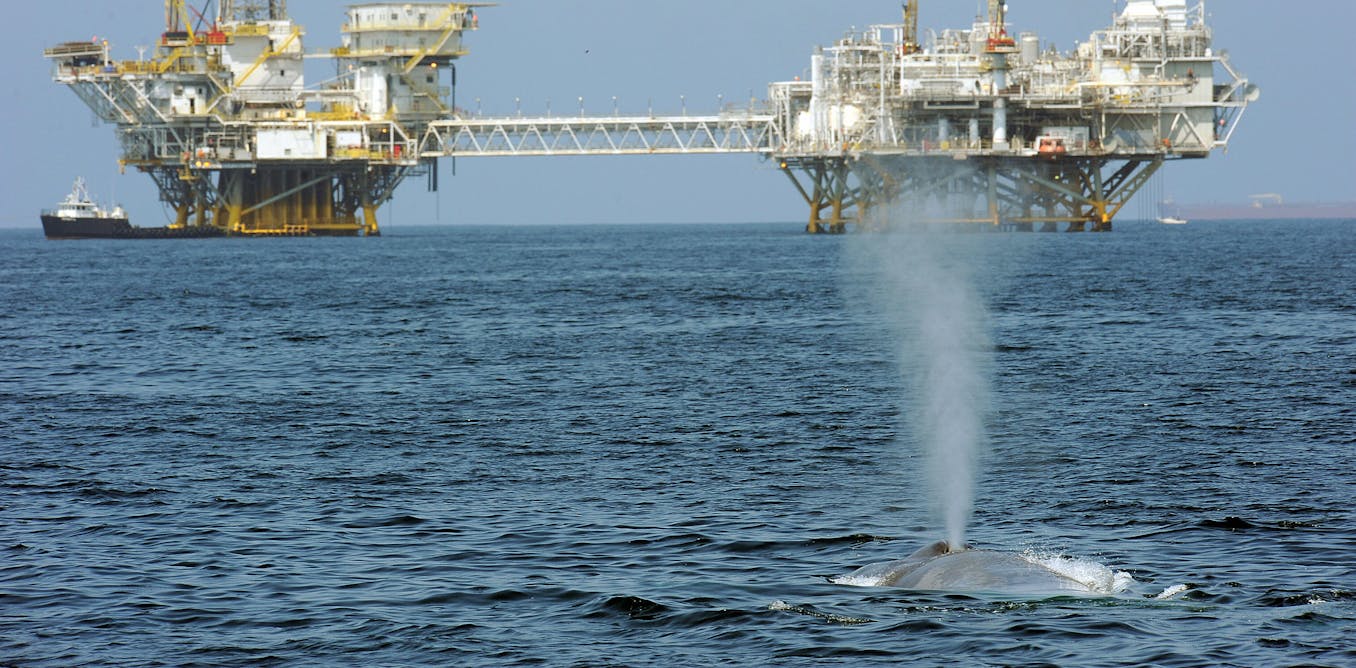
Amidst ongoing discussions about energy and environmental priorities, a significant event looms: the Trump administration is set to reconvene the “God Squad,” a powerful committee capable of bypassing the Endangered Species Act of 1973, a cornerstone of U.S. environmental legislation.
This committee’s rare convening highlights the ongoing debate: can economic development and conservation coexist?
The Role of the God Squad
Established as an amendment to the Endangered Species Act, the Endangered Species Act Committee, or God Squad, plays a unique role in U.S. environmental policy. It has the authority to grant exemptions to federal actions that might threaten endangered species, a process that can be crucial for industries like mining, drilling, and logging.
The committee is composed of seven members, including high-ranking federal officials such as the secretaries of the interior and agriculture, among others. A decision requires a minimum of five votes in favor of an exemption.

Polinova via Wikimedia Commons, CC BY
Historical Precedents
The God Squad’s meetings are infrequent, having occurred only three times since its inception. Its first meeting in 1979 centered around the snail darter, a small endangered fish, and the Tellico Dam project in Tennessee. The committee denied an exemption for the dam, though Congress eventually authorized its completion.
Other significant cases included the Grayrocks Dam in Wyoming, where an exemption was granted with conditions to protect whooping cranes, and the northern spotted owl in Oregon and Washington, where initial exemptions were later rescinded due to legal challenges.

U.S. Fish and Wildlife Service/Flickr
Why Now?
The current convening is linked to oil and gas operations, particularly in the Gulf of America, and their potential impacts on endangered species like Rice’s whale. A federal notice cites national security concerns as a reason for the meeting, aligning with President Trump’s 2025 executive order on energy infrastructure.
Both conservationists and industry stakeholders are challenging the existing biological opinion by NOAA Fisheries, which suggests that oil industry activities could endanger marine life.
Bridging Economic and Environmental Goals
Successful examples demonstrate that economic development and environmental conservation need not be mutually exclusive. Initiatives like the University of Illinois Chicago’s Energy Resources Center and the Rights-of-Way as Habitat Working Group illustrate how businesses can integrate conservation into their operations.
These strategies not only help protect wildlife but also offer economic benefits by avoiding legal challenges and reducing project delays. Maintaining natural habitats can also provide resilience against climate-related disruptions.

U.S. Space Force photo by Master Sgt. Carlin Leslie
These efforts highlight the potential for harmonious coexistence between development and conservation, potentially setting a precedent for future collaborations across industries and sectors.