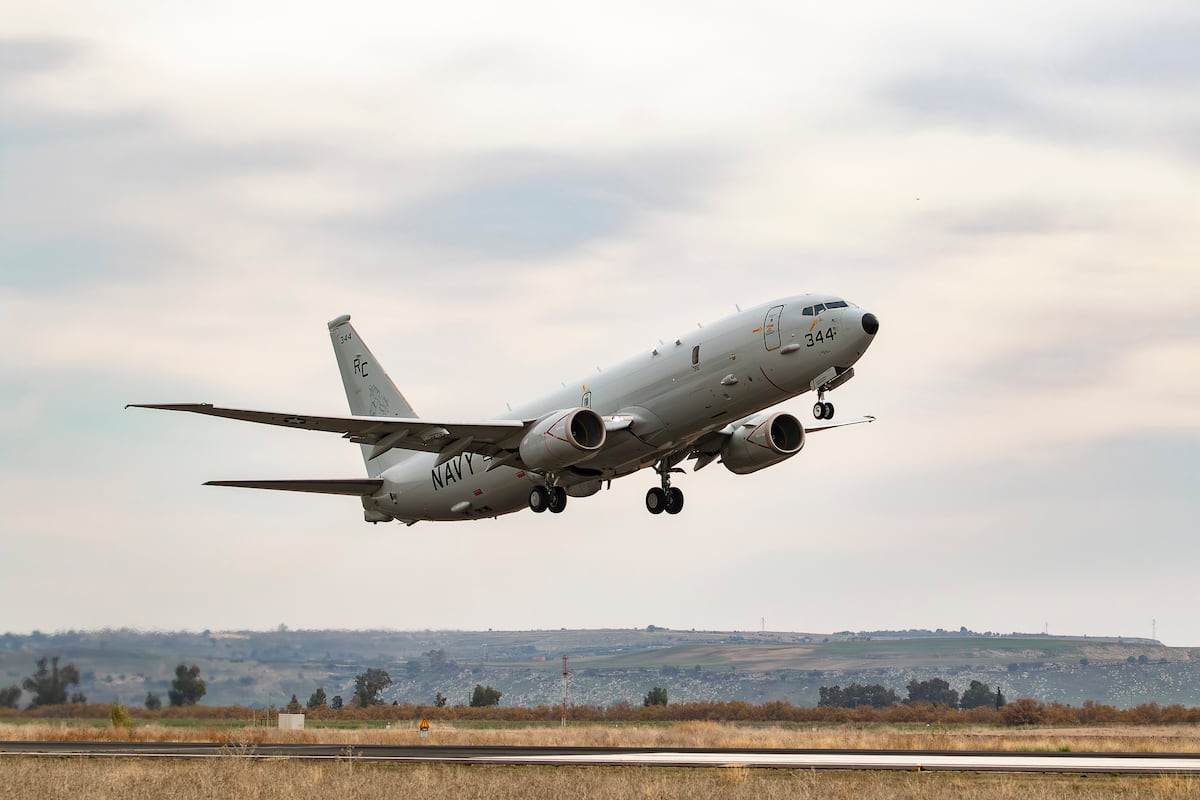
ROME — In a recent development, Italy has declined a U.S. military request to allow stopovers at an Italian air base for aircraft en route to the Middle East. This decision follows a report from the Italian daily, Corriere della Sera, which highlighted the timing of the request—made after the aircraft had already departed from the United States.
The Sigonella air base in Sicily, a strategic location for U.S. military flights due to a longstanding agreement dating back to 1954, requires parliamentary approval for operations not covered by this deal. Italian Prime Minister Giorgia Meloni emphasized the necessity of such authorizations in a parliamentary speech, stating, “The bases used by the U.S. in Italy derive from agreements signed in 1954 and which have been updated since then by various governments. According to those agreements there are technical authorizations when it comes to logistics and non-kinetic operations that do not involve, put simply, bombing.”
The refusal to grant landing permission stems from the U.S. request being made post-departure, leaving insufficient time for parliamentary processing. Despite this, Meloni’s office assured on Tuesday that each request is “examined attentively, case by case,” asserting that there is no discord in U.S.-Italy relations, which remain “solid and characterized by full and loyal cooperation.”
This refusal coincides with Italy’s growing unease over the Iranian conflict, highlighting Meloni’s challenge in balancing international alliances with domestic opposition to the war. Meloni has publicly stated her intentions, saying, “We are not at war and we do not want to enter the war,” and criticized the U.S. actions against Iran as being “outside the perimeter of international law.”
Parallel to Italy’s stance, Spain has also taken a firm position against the U.S. military’s use of its air bases and airspace in relation to the Iran conflict. Spanish Defense Minister Margarita Robles declared the war “profoundly illegal and profoundly unjust,” reinforcing Spain’s prohibition on the use of its facilities and airspace for actions related to the war.