In an unprecedented move amid the escalating conflict with Iran, Defense Secretary Pete Hegseth has initiated a significant reshuffle at the Pentagon, dismissing the Army’s top general and two other high-ranking officers. This decision underscores a broader leadership transition during active U.S. combat operations.
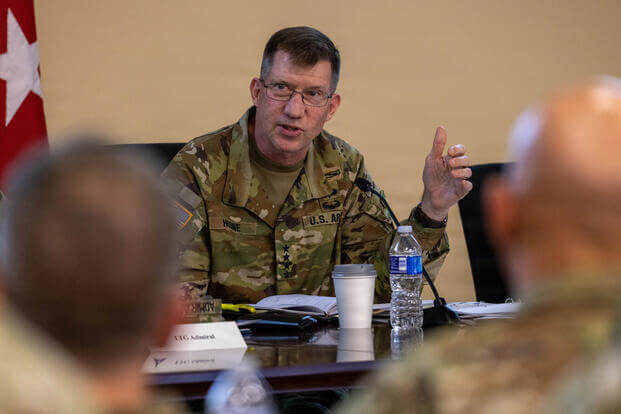
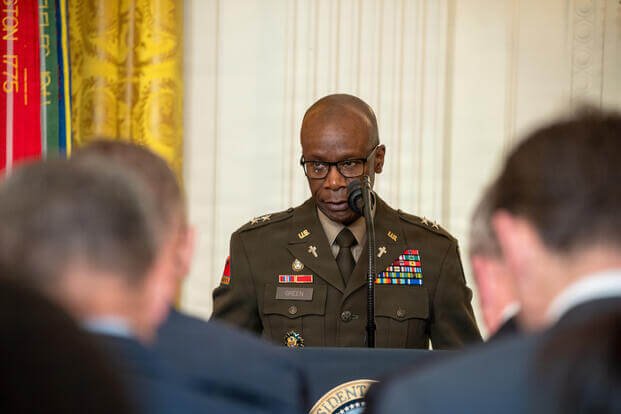
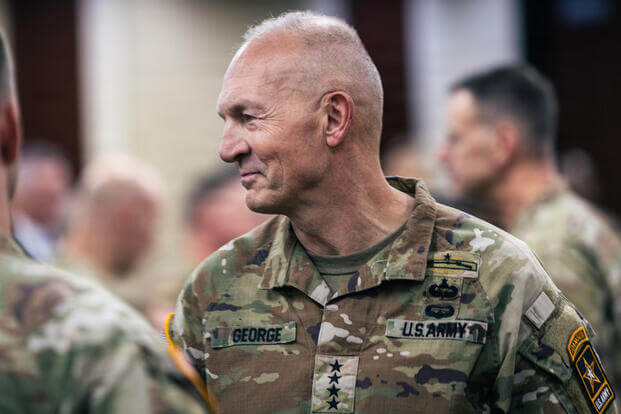
The Pentagon confirmed that Gen. Randy George, the Army’s Chief of Staff, will retire immediately following Hegseth’s request. Gen. David Hodne, leading the Army’s Training and Doctrine Command, and Maj. Gen. William Green Jr., the Army’s chief of chaplains, are also part of this shakeup. This marks one of the most substantial leadership changes in recent wartime history without any official reasoning provided.
Sean Parnell, an assistant to the secretary of defense for public affairs, expressed appreciation for George’s service, stating that he “will be retiring from his position as the 41st Chief of Staff of the Army effective immediately.” The Pentagon, U.S. Army, and the White House have yet to comment further.
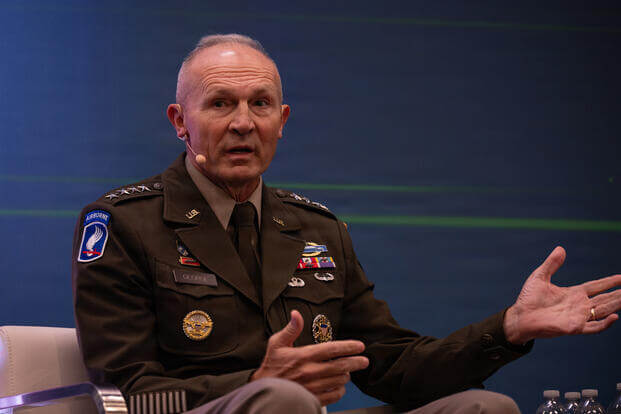
Gen. Christopher C. LaNeve, the Army’s vice chief of staff, is anticipated to assume the role of acting chief of staff, ensuring stability as military operations proceed.
The leadership changes have raised questions about impacts on ongoing military strategies, collaboration with allies, and the execution of wartime operations, which remain unanswered by the Pentagon.
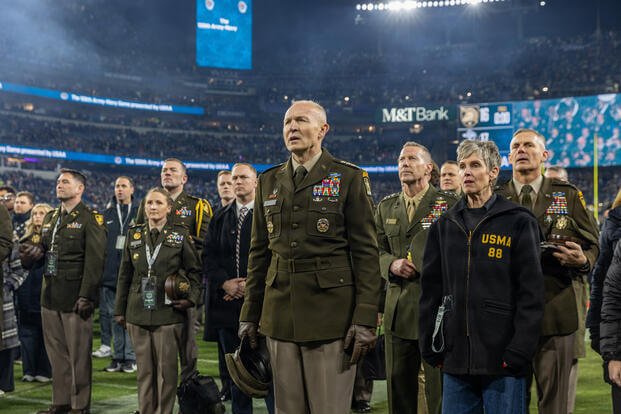
The Generals Caught in the Shakeup
Gen. Randy A. George, a veteran infantry officer, has been at the helm as the Army’s 41st chief of staff since September 2023. His long military tenure includes deployments in the Gulf War, Iraq, and Afghanistan. George spearheaded the Army Transformation Initiative aimed at preparing the Army for large-scale combat.
Under George, Gen. David Hodne expanded the Army’s Training and Doctrine Command, adapting soldier training and unit structuring to modern battlefield demands.
Maj. Gen. William Green Jr., having served as a chaplain since the 1990s, recently became the Army’s chief of chaplains. His role has become prominent as Hegseth advocated for changes in military chaplaincy operations.
Shakeup Expands as War Pressure Builds
The leadership changes occur as the conflict reaches a critical juncture, with U.S. military operations intensifying in Iran. The strategic Strait of Hormuz, a crucial maritime route, faces increasing threats, with global energy markets on edge over potential disruptions.
Amidst the escalating situation, the Pentagon’s recent personnel moves are under intense scrutiny as the conflict enters a volatile stage, with potential global repercussions in energy markets and broader geopolitical stability.
As Hegseth intensifies his leadership role in military decisions, the timing of these changes is pivotal, drawing attention as the war hits a decisive moment.