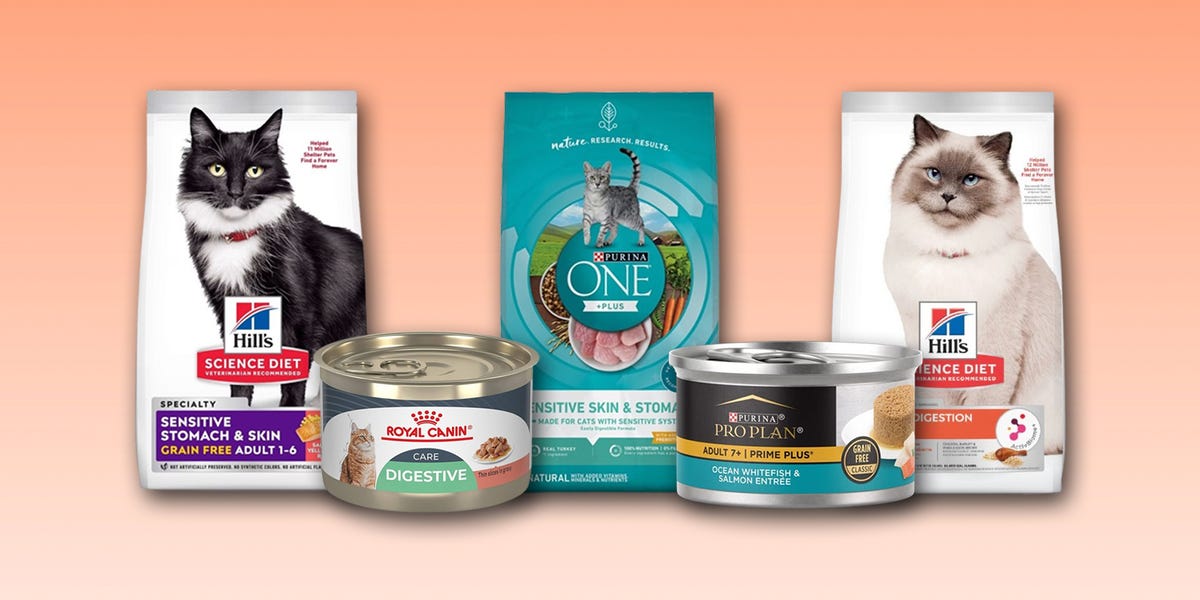
Choosing the right cat food for a feline with a sensitive stomach can be a challenging task for pet owners. Whether it’s due to a food intolerance, allergy, or a condition such as inflammatory bowel disease, addressing these digestive issues requires careful selection of the right formula. Many veterinarians suggest diets that include easily digestible proteins, moderate fat, and low carbohydrates, often supplemented with probiotics and omega-3 fatty acids from fish oil to alleviate gut inflammation.
In the quest to find the best sensitive stomach cat foods, numerous options are evaluated, with a keen focus on ingredient quality and nutritional value. Among the top recommendations is the Royal Canin Digestive Care Thin Slices in Gravy, noted for its insoluble fiber content that may help prevent constipation. For those preferring dry food, Hill’s Science Diet Sensitive Stomach and Skin Adult Salmon and Yellow Peas Recipe is an excellent choice, offering prebiotic fiber to support digestive health.
All recommended foods in this guide meet the nutritional standards set by the Association of American Feed Control Officials (AAFCO) and align with the World Small Animal Veterinary Association’s Global Nutrition Guidelines, ensuring a comprehensive nutritional profile.
Veterinary insights emphasize the importance of recognizing signs of a sensitive stomach in cats, such as vomiting and loose stools. Dr. Kelly Diehl, a veterinary internist specializing in gastroenterology, advises that cats with frequent vomiting or those that regurgitate more than once a week should be examined by a veterinarian. In some cases, a hypoallergenic diet may be necessary for cats with food allergies.
Highlights for Sensitive Stomach Cat Food
Best wet: Royal Canin Digestive Care Thin Slices in Gravy – See at Chewy
Best dry: Hill’s Science Diet Sensitive Stomach and Skin Adult Salmon and Yellow Peas – See at Chewy
Best Wet Cat Food for Sensitive Stomachs
If your cat suffers from frequent digestive problems, transitioning to a wet food diet might be advised by your veterinarian. Wet food is significantly higher in moisture content, which is beneficial for hydration, particularly in cats losing water through conditions like vomiting or diarrhea, according to Dr. Kelly Fishman. Moreover, the best wet cat foods often boast higher protein and lower carbohydrate content, aiding in both weight management and digestion, says Dr. Jamie Richardson.
Our top wet food recommendation, Royal Canin Digestive Care, includes beneficial ingredients such as powdered cellulose and omega-3 fatty acids from salmon, known to aid in easing constipation and promoting healthy digestion. Meanwhile, Iams’ formula also provides omega-3 fatty acids and beet pulp, a fermentable fiber that supports gut health.
Best Dry Cat Food for Sensitive Stomachs
While wet food has its advantages, some cats prefer dry kibble, which is also more convenient and less expensive. However, it’s important to note that dry foods generally have higher carbohydrate content, which might be harder for some sensitive stomachs to digest. Look for dry foods with complex carbohydrates like whole wheat or corn, which provide essential nutrients, as explained by Tufts University.
Our dry food recommendations for sensitive stomachs are formulated with easily digestible animal proteins and fibers such as dried beet pulp and oats, which are beneficial for digestion and may relieve diarrhea.
For senior cats, gastrointestinal issues can indicate underlying health problems. Monitoring for signs like chronic vomiting and consulting with a vet for dietary adjustments is crucial. Senior cats with sensitive stomachs may benefit from specific diets, with some requiring high-protein foods for optimal health, while others might need low-protein diets to prevent exacerbation of conditions like chronic kidney disease.
What to Look for in Sensitive Stomach Cat Food
Choosing the right food involves considering several factors, including the presence of an AAFCO nutritional adequacy statement, guaranteed analysis and nutrient profiles, and ingredient lists that prioritize animal-based proteins. Additionally, expert formulations and strict manufacturing standards can ensure consistent quality and safety in the food provided to your cat.