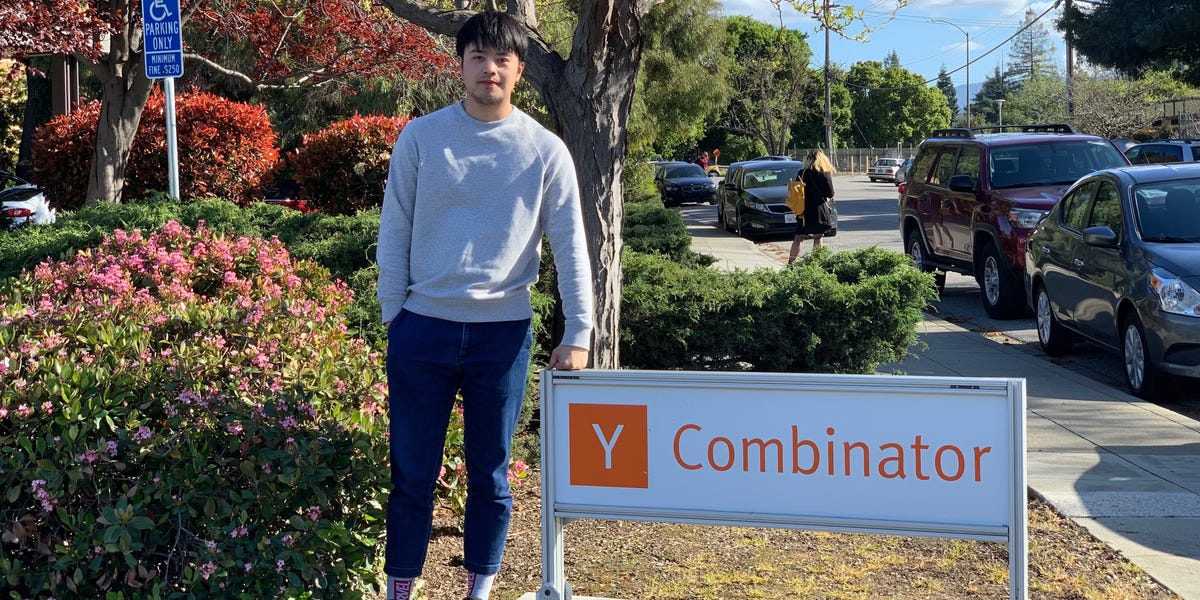
This as-told-to essay is based on a conversation with Xiankun Wu, the CEO and cofounder of Kuse, an AI-powered visual workspace headquartered in San Mateo, California. The conversation has been edited for length and clarity.
Imagine a future where your workplace is populated with AI employees performing routine tasks, much like characters in a video game. This scenario is not far-fetched, as artificial intelligence increasingly manages repetitive tasks, freeing humans to engage in more creative endeavors.
The landscape of AI evolved significantly earlier this year with the advent of OpenClaw. This technology allows for more autonomous and tailored AI applications within organizations. AI entities created by OpenClaw can understand their corporate environment and even assign tasks to human colleagues, transforming workplace dynamics into something akin to a partnership.
According to Xiankun Wu, approximately 60% to 70% of tasks can now be accomplished by AI, significantly boosting productivity. “It’s a no-going-back experience,” he notes.
Integrating OpenClaw into the Workplace
Introduced in January, OpenClaw initially presented challenges as it was primarily designed for personal assistance rather than team-oriented environments. This necessitated adjustments in its architecture to prevent unrestricted data access within companies. By restructuring OpenClaw, its AI now recognizes individual roles and permissions, ensuring sensitive data remains confidential.
At Kuse, with around 20 human employees, the enhanced system soon proved indispensable. AI operates continuously, evaluating tasks and suggesting improvements based on ongoing assessments of business impact and user feedback.
AI’s 24/7 Capabilities: A Double-Edged Sword
While AI tirelessly processes information, human employees require downtime, a need that is particularly pronounced in East Asian work cultures. To accommodate this, Kuse established a “human only” Slack channel where AI is prohibited, offering a respite from the constant task generation prompted by AI interactions.
For instance, when a human shares a random link, an AI might suggest numerous actions based on the information, overwhelming the team already juggling numerous priorities. This illustrates the necessity of prioritizing tasks despite the increased capacity for task completion.
AI Employees: Partners in Efficiency
Initially, the integration of AI employees caused anxiety among the staff at Kuse, raising concerns about job security. However, as team members collaborated with AI, it became clear that AI enhances human capabilities rather than replacing them. This shift allows employees to concentrate on their unique skills and contributions.
As AI continues to redefine workplace dynamics, the ability to communicate effectively and build trust among human colleagues will become increasingly vital.
Do you have a story to share about tech in Asia? Contact this reporter at cmlee@insider.com.