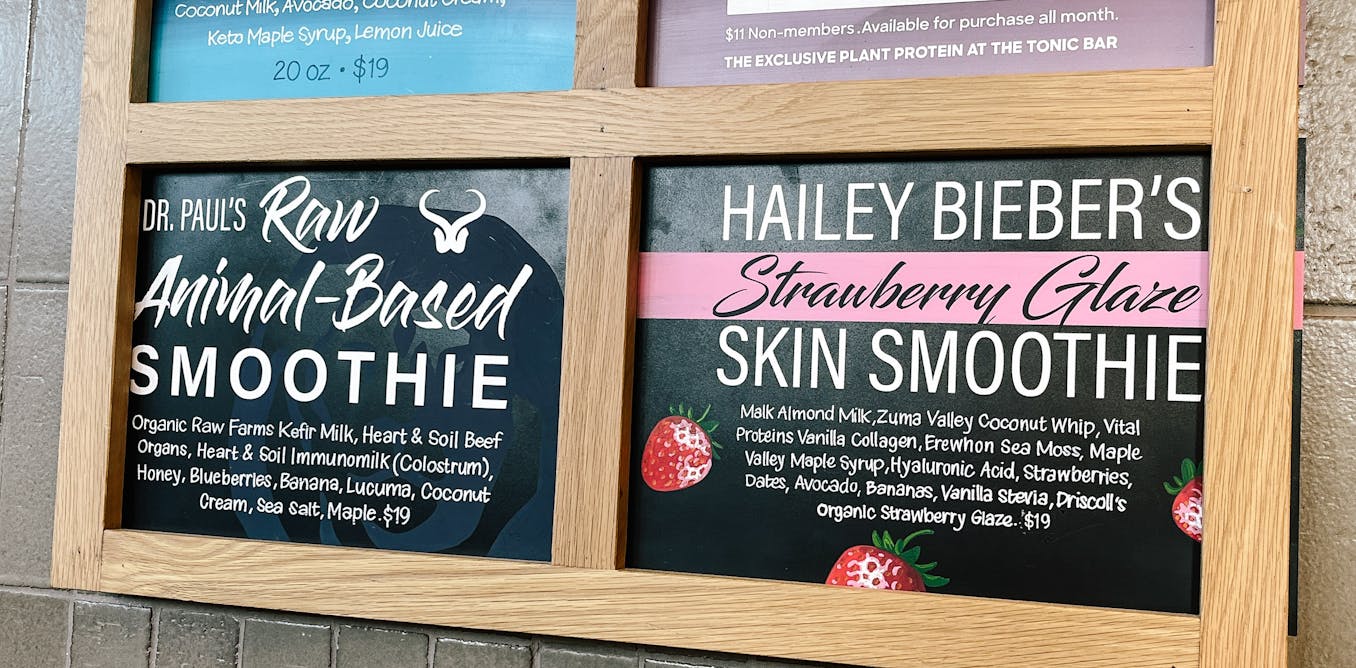
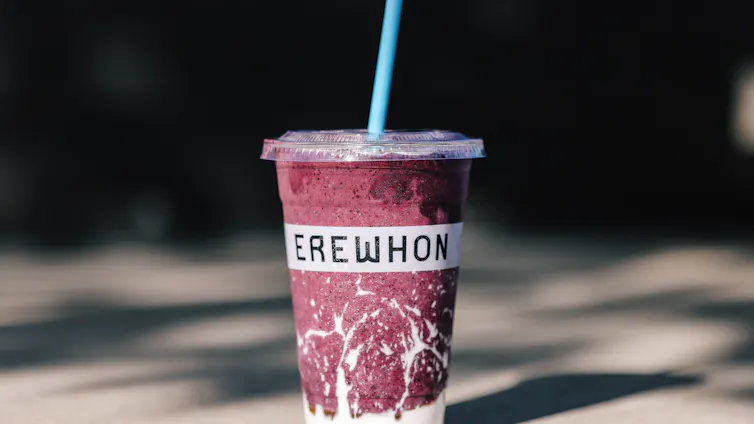
As the U.S. economy grapples with affordability concerns, Americans are cutting back on dining out, postponing car purchases, and hunting for grocery bargains. Despite these cutbacks, a Los Angeles grocery chain, Erewhon, has found success selling $22 smoothies, a trend that seems at odds with consumer behavior amid economic uncertainty.
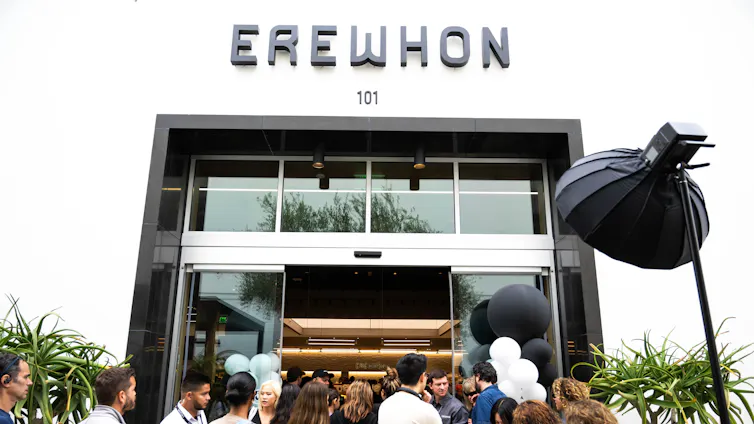
While consumer confidence has reached a low not seen in over a decade, according to The Conference Board, Erewhon has expanded, opening three new stores in 2025. The chain’s success is notable, with sales per square foot reaching $1,800 to $2,500, far surpassing typical U.S. supermarkets.
The smoothies feature premium ingredients like sea moss gel, adaptogenic mushrooms, and collagen peptides, often endorsed by celebrities. This reflects a broader boom in the specialty food market, which has grown to over $219 billion, significantly outpacing overall grocery sales growth.
The Psychology Behind Premium Purchases
Despite financial anxiety, consumers are drawn to premium products, a trend supported by data from market research firm Circana. This behavior isn’t contradictory but rather a psychological response to regain a sense of control. When people feel life is unpredictable, they often turn to small, luxurious items that carry a sense of virtue.
Consumer psychologists suggest that this is why premium foods thrive while traditional luxury goods struggle. This phenomenon, known as “compensatory consumption,” occurs when people buy items to feel in control during uncertain times.
Dania Maxwell/Los Angeles Times via Getty Images
The Lipstick Effect Reimagined
This behavior mirrors the “lipstick index” of 2001, where consumers opted for small luxuries during economic downturns. However, today’s premium food purchases add an element of virtue. An Erewhon smoothie is viewed not just as a treat but as a wellness investment. This “virtue coding” transforms indulgence into self-investment, providing a justification for the purchase.
Social media plays a significant role in this trend. Many premium food purchases are shared online, amplifying their appeal. The focus is not merely on consumption but on the social value it represents. This blend of indulgence and virtue makes premium food a compelling choice for consumers seeking control and identity during challenging times.
Sarah Reingewirtz/MediaNews Group/Los Angeles Daily News via Getty Images
The Economics of Indulgence
The U.S. economy’s “K-shaped recovery” is also a factor. While lower-income consumers face financial constraints, wealthier individuals continue to spend, supporting economic growth. Premium food remains accessible to those who can afford it, providing a sense of control and virtue.
As traditional luxury brands struggle, premium food emerges as a preferred indulgence. Even affluent consumers require psychological justification to spend during uncertain times, and premium food offers this through its wellness and sustainability narratives.
Ultimately, when consumers reach for high-priced items like a $22 smoothie, they seek more than just a product. They seek a sense of agency and permission to feel okay in a world of uncertainty.