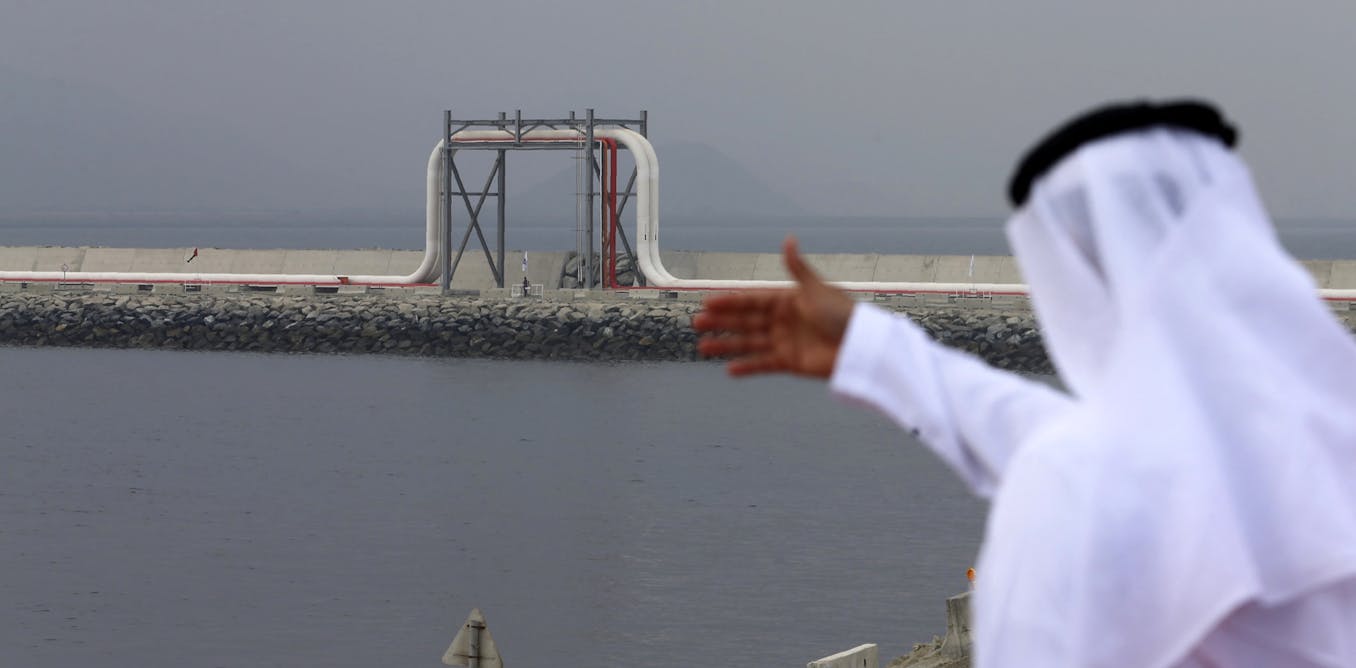
In a surprising geopolitical shift, the United Arab Emirates (UAE) has announced its departure from the Organization of Petroleum Exporting Countries (OPEC), a move that could significantly impact the global oil market. This decision highlights the growing rift between the UAE and Saudi Arabia, OPEC’s dominant force.
The UAE declared on April 28, 2026, that it would exit OPEC and OPEC+, a broader coalition that includes Russia, as of May 1. This withdrawal removes OPEC’s third-largest producer and OPEC+’s fourth-largest, potentially weakening both groups’ influence on oil markets.
For those monitoring Gulf region politics, this move was not unforeseen. Abu Dhabi’s grievances with OPEC have been longstanding, and the decision to part ways signals a culmination of tensions that have been brewing for years.
The divergence in oil policies between the UAE and Saudi Arabia has been evident, exacerbated by their differing approaches to regional security issues. Their discord became public in December 2025, when conflicting strategies for Yemen’s security nearly reignited conflict in the region.
Despite recent unity against Iranian threats, the UAE’s exit from OPEC underscores the unresolved differences between the two Gulf powers.
The Influence of OPEC
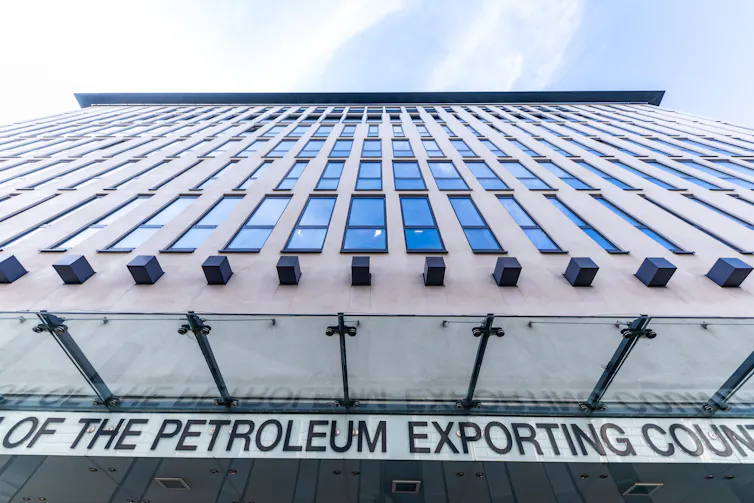
Established in 1960, OPEC has been pivotal in setting oil production limits to control global crude prices. The UAE has been a member since 1971, with Abu Dhabi, holding most of the nation’s oil reserves, involved since 1967.
Christian Bruna/Getty Images
In its heyday, OPEC was instrumental in shifting power dynamics from Western oil consumers to producers. Recent withdrawals, such as those by Qatar in 2019 and Angola in 2024, have affected the cartel, but the UAE’s exit is anticipated to have a more profound impact, given its substantial share of OPEC’s output.
The removal of the UAE as a key swing producer presents challenges for OPEC in responding to market fluctuations.
Changing Gulf Dynamics
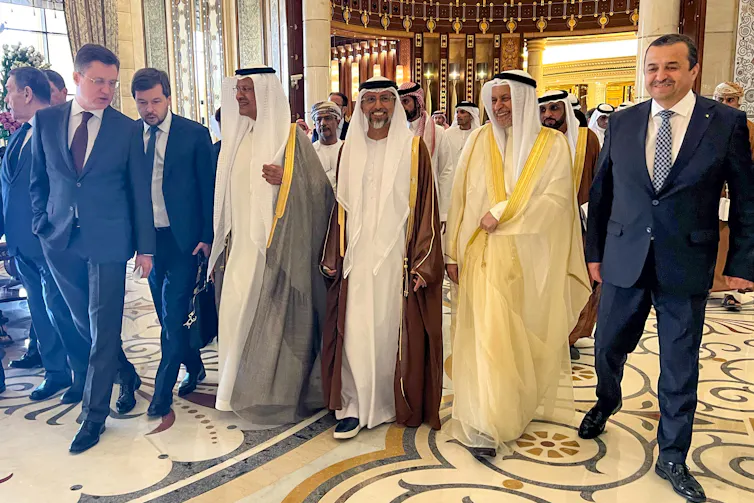
The UAE’s departure has been anticipated since its disagreements with Saudi Arabia over oil production strategies first surfaced during a 2020 OPEC+ summit. The divergence was clear by July 2021, when the UAE openly challenged Saudi-led production limits that aimed to maintain high oil prices.
Economic factors drive this divergence. Saudi Arabia’s economy depends heavily on oil revenues to fund initiatives like its Vision 2030 project, while the UAE’s diversified economy provides more flexibility.
Abu Dhabi’s strategy includes expanding oil production capabilities, aiming for 5 million barrels per day by 2027. This approach seeks to capitalize on its reserves amidst a global transition toward renewable energy.
Haitham El-Tabei/AFP via Getty Images
Regional Realignments Post-Iran Conflict
The UAE’s focus now seems to be on strengthening ties with the U.S. and potentially Israel, rather than its traditional regional alliances. This shift reflects a strategic realignment in light of the recent war in Iran, which temporarily obscured underlying tensions with Saudi Arabia over Yemen.
Emirati officials have taken note of which nations have supported the UAE during crises, leading to a reevaluation of its role in organizations like the Arab League, the Organization of Islamic Cooperation, and possibly the Gulf Cooperation Council. As the region adapts to a post-war environment, the UAE’s departure from OPEC may just be the beginning of broader strategic changes.