Amidst the intricate web of U.S. immigration policies, Libyan doctor Faysal Alghoula finds himself in a precarious situation as he awaits the renewal of his green card. Without it, his ability to care for approximately 1,000 patients in southwestern Indiana hangs in the balance. The delay stems from a decision made under the Trump administration, which halted the review of applications from several high-risk countries.
Alghoula, who has been residing in the U.S. since 2016, faces the expiration of his visa in September if his renewal request is not processed. A glimmer of hope emerged recently when an exemption was introduced for doctors with pending applications, a decision welcomed by the medical community and immigration advocates, especially amidst a global shortage of healthcare professionals.
The exemption allows for the review of applications like Alghoula’s, yet it offers no assurance of approval. Concerns remain regarding the U.S. Citizenship and Immigration Services’ ability to meet impending deadlines, leaving many, including Alghoula, in limbo. “It is about four to five months wait to get the pulmonologist here,” Alghoula commented, highlighting the strain on healthcare in rural areas of Indiana, Illinois, and Kentucky.
Despite his credentials, Alghoula remains apprehensive about his upcoming immigration appointment due to ongoing fears of detainment during these proceedings. His concerns were compounded when his scheduled interview for June was abruptly canceled without explanation.
Immigrants in Limbo
The interruption in processing applications affects thousands, including researchers and entrepreneurs from 39 countries such as Iran, Afghanistan, and Venezuela. During this pause, many are unable to work, obtain health insurance, or secure a driver’s license, and risk being barred from re-entry if they leave the U.S.
The policy changes, initiated last year, were part of a broader strategy to restrict immigration, following incidents such as the shooting of two National Guard troops by an Afghan citizen. The Department of Homeland Security has not addressed inquiries about the ongoing pause or the physician exemption but emphasized the need for thorough applicant screening.
Greg Siskind, a Memphis-based immigration attorney, observed, “There are lots of bans and lots of pauses that are happening right now. It is all about making life miserable for people who are here legally so they will choose other countries.” The American Academy of Family Physicians reported that numerous doctors have reached out for assistance, though the exact number affected remains uncertain.
Legal Battles and Uncertainty
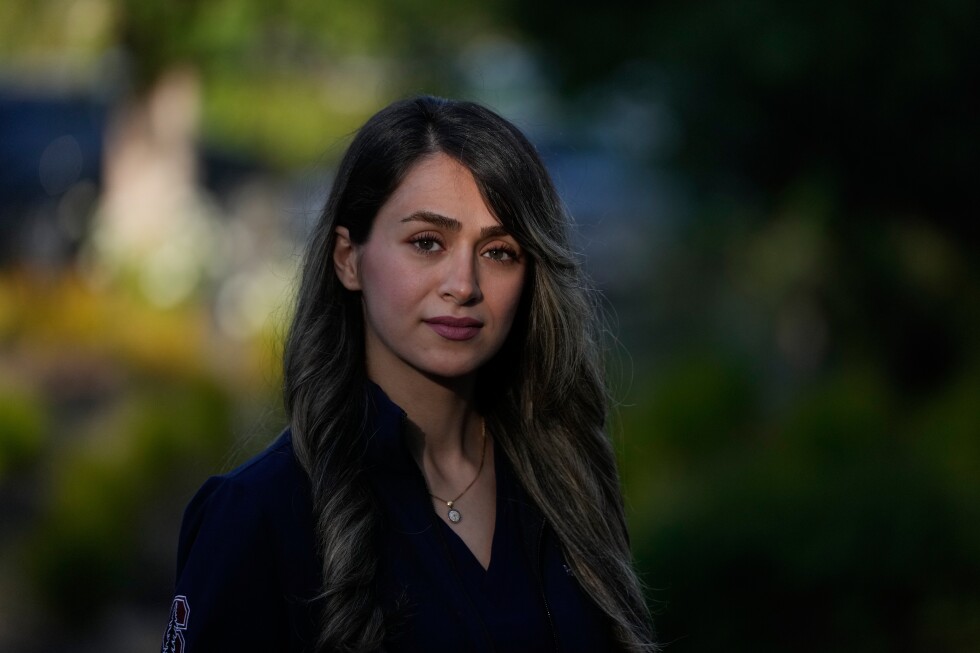
In response to the stalled process, many immigrants have resorted to legal action. Iranian physician Dr. Zahra Shokri Varniab, involved in radiology research in the U.S. for three years, had her application denied despite a court order to review her case. She suspects the denial was retaliatory. “I feel completely confused,” Shokri Varniab expressed, amidst filing inconsistencies cited by U.S. officials regarding her career intentions.
The broader implications of the immigration pause extend beyond healthcare. Professionals in science and technology fields are similarly hindered, unable to work while waiting for employment authorization. Many, like Iranian Kaveh Javanshirjavid, depend on borrowed funds to meet basic needs. “The whole of my life is on hold,” he said, as he awaits the necessary documentation to begin his lab work.