In a surprising turn of events, at least 18 research grants at UC Berkeley were suspended by the National Science Foundation (NSF) in April, despite a court injunction that was supposed to prevent such actions. This development has sparked legal challenges and raised questions about the future of research funding at the university.
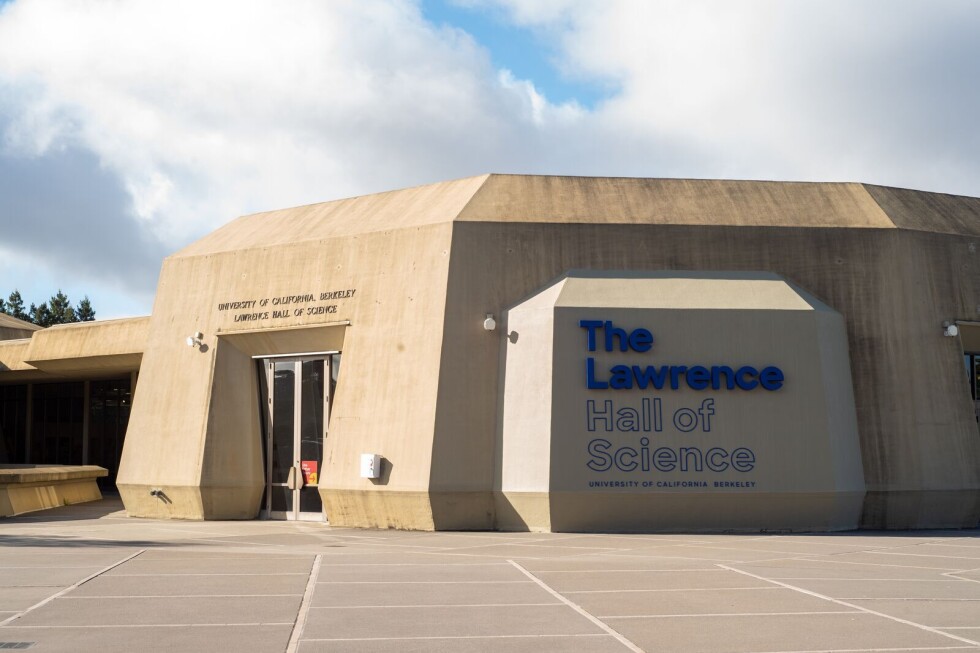
The NSF has remained silent on the reasons behind these suspensions. Among the affected grants is one that had previously been reinstated by a federal court order. This grant was intended to support mixed-reality exhibits at the Lawrence Hall of Science, which highlight Indigenous Ohlone knowledge about the natural world. The project leader, Jedda Foreman, expressed concerns over the email notification received from UC Berkeley’s vice chancellor of research, Katherine Yelick, which mentioned issues related to “foreign funding.” However, Foreman insists that the project did not receive any foreign contributions.
“The grantees were given near-zero information about what was problematic in the execution of their grant,” commented Claudia Polsky, a professor at UC Berkeley School of Law, who is representing the affected researchers. Polsky’s legal team is actively seeking more information as they believe the suspensions may violate a court order that had previously restored defunded projects.
UC Berkeley spokesperson Dan Mogulof stated that the university is in communication with the government regarding research grants and is dedicated to complying with federal regulations. However, he did not elaborate on the specifics of the grants or their potential impacts on the university.
The Lawrence Hall of Science, co-designed with Ohlone youth, has one exhibit scheduled to open on May 17 and another planned for the fall of 2028. The project aims to assess whether involvement in exhibit creation can increase Indigenous youths’ interest in science and STEM careers. “We’re doing a lot of hoping and finger-crossing that something works out,” Foreman stated, emphasizing the project’s significance.
Shake-up at the National Science Foundation
Funding volatility has increased for the University of California, which received $525 million in NSF grants for the 2024-25 fiscal year. The second Trump administration has contributed to this instability by terminating nearly 2,000 grants nationwide, as reported by Nature. These terminations often involve grants focused on diversity, equity, and inclusion, and new awards have been slower to process.
In a bold move, President Trump recently dismissed all 22 members of the NSF’s independent oversight board, as detailed by The Guardian. He also intends to cut the NSF budget by more than half in 2027, although a similar proposal was rejected by Congress last year.
These developments are part of a broader pattern affecting numerous federal agencies, where research grants have been widely terminated. Many of these cancellations have faced legal reversals in court.
A class action lawsuit, filed last year by UC researchers, challenges the NSF and other federal agencies over grant cancellations. The suit follows a key legal victory last June, when U.S. District Judge Rita Lin issued a preliminary injunction to restore canceled grants, including those for the Ohlone-focused exhibits. Judge Lin’s decision barred the use of form letters without specific explanations and opposed cancellations based on Trump’s anti-DEI orders.
Judge Lin intervened again when the NSF froze hundreds of grants to UCLA in August, linked to a $1 billion settlement demand over alleged campus antisemitism. Polsky believes the recent suspension of Foreman’s grant might be an attempt by the Trump administration to circumvent such rulings.
University of California Seeks State Support for Research
In response to uncertain federal funding, the University of California is intensifying efforts to secure alternative research funding. UC President James Milliken, alongside state Sen. Scott Wiener and United Auto Workers president Shawn Fain, advocated for state legislation to create a $23 billion fund for scientific research at a Sacramento rally.
If passed, the legislation will place a bond measure on the November ballot. The funds would support research in areas such as wildfire and pandemic preparedness and medical innovations. UC provost Katherine Newman has also been exploring international collaborations to mitigate the impacts of reduced federal funding, focusing on climate change, clean energy, and public health research.
___
This story was originally published by Berkeleyside and distributed through a partnership with The Associated Press.