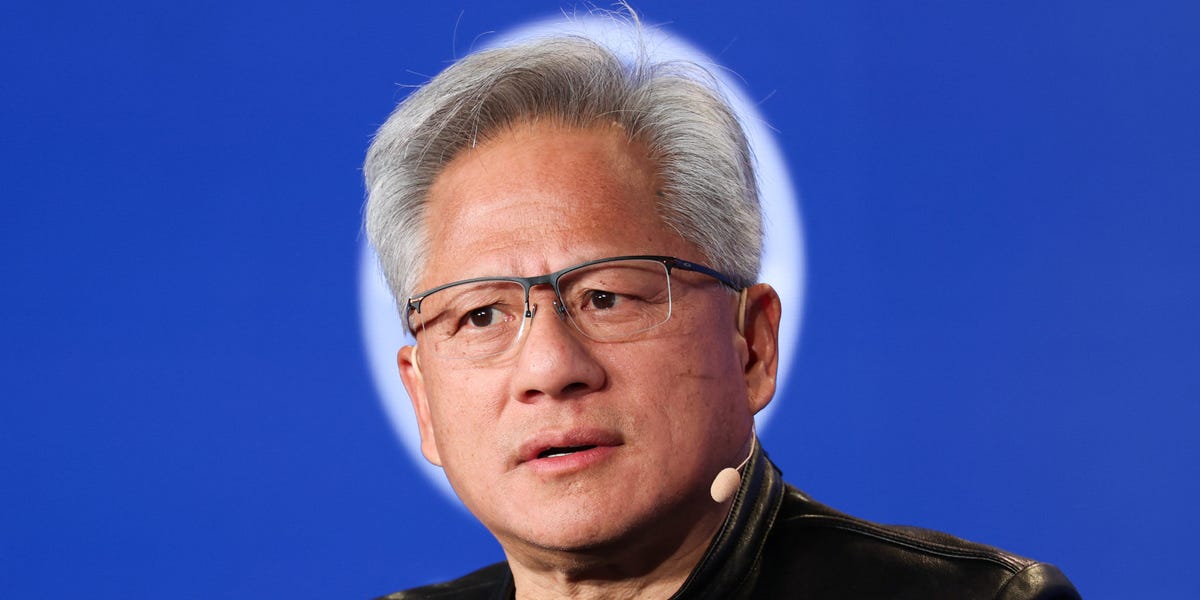
In a time when technology giants such as Cloudflare and Snap are attributing workforce reductions to advancements in artificial intelligence, Jensen Huang is encouraging graduates to seize the moment and embark on their career journeys. His message comes amid a complex landscape where AI’s role in the job market is under scrutiny.
At Carnegie Mellon University’s 2026 Commencement, Nvidia’s CEO articulated a vision of AI as a catalyst for societal progress, dismissing fears of technology as a threat to job security. “Now it’s your time to realize your dreams, and the timing could not be more perfect,” he declared.
Huang, aged 61 and possessing an estimated fortune of nearly $186 billion, reflected on his own career trajectory, having graduated from Oregon State University with a degree in electrical engineering in 1984 and subsequently earning a master’s from Stanford before founding Nvidia in 1993 amid the burgeoning internet era. He emphasized to the graduates that AI is bridging the “technology divide,” creating vast opportunities for the younger generation.
Despite Huang’s optimism, there is significant public apprehension regarding AI. According to a Pew Research Center study, approximately 50% of Americans express greater concern than excitement over AI’s growing presence in their lives. This sentiment is echoed by communities resisting the establishment of data centers, essential for AI technologies like chatbots, across the nation. Read more about community resistance here.
AI has been a cited factor by at least a dozen major companies in their decisions to cut jobs this year. This technological shift has also complicated the job market for new graduates, prolonging the interview process and making job acquisition more challenging. The unemployment rate for new graduates hit a four-year peak in early 2026. Learn more about AI-related layoffs.
The anxieties surrounding AI are not unfounded, as industry leaders have issued grave warnings. Dario Amodei, CEO of Anthropic, predicted last year that AI might eliminate 50% of entry-level white-collar jobs, while Elon Musk suggested to Joe Rogan that there is a “20% chance of annihilation” due to AI. Explore Musk’s views on AI risks.
As discussions around AI continue to influence public opinion, these concerns could become pivotal in the upcoming midterm elections, where AI regulation is expected to be a contentious issue.
In an effort to counteract these alarming projections, Huang advocated for a balanced discourse on AI. During a recent podcast, he stressed that AI leaders should be cautious in their rhetoric, stating, “These kinds of comments are not helpful. They’re made by people who are like me — CEOs. Somehow, because they became CEOs, you adopt a God complex and, before you know it, you know everything.” He urged a focus on factual discussions.
Huang offered a reassuring note to Carnegie Mellon’s graduates: “AI is not likely to replace you,” acknowledging the prevalent job market concerns, but added a caveat, “But someone using AI better than you might.”