Access to Free Bus Rides Improves, Yet Challenges Remain for Detroit High Schoolers
High school students in Detroit now have access to free bus rides, but the implementation of this initiative has not been without its challenges. The move, aimed at improving transportation for students, has highlighted issues with bus schedules and reliability, affecting students like 10th grader Jessica Horton from Southeastern High School.
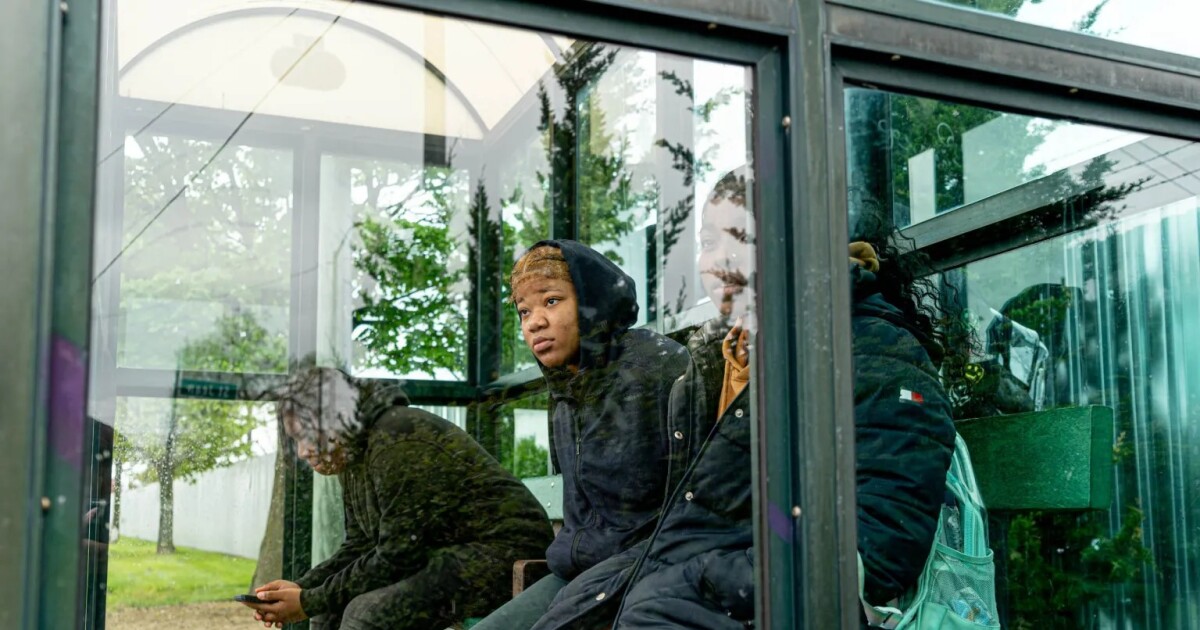
Horton, like many other students, often finds herself waiting for a bus outside a liquor store after school due to the misalignment of bus schedules with school hours. The delays in bus arrivals force students to wait in uncertainty, impacting their ability to get home in a timely manner.
The Detroit Department of Transportation’s buses, which serve as a vital public transit option for many high schoolers, have an on-time rate hovering around 70%. This statistic, coupled with the current scheduling challenges, underscores the need for improvements in the transportation system.
Efforts to Address Transportation Issues
Mayor Mary Sheffield’s administration has initiated a pilot program offering free bus rides for students as part of a broader focus on the city’s youth. Robert Cramer, the executive director of transit for the city, acknowledged the need for improvements, especially after conversations with students at Cody High School.
Despite the positive step of free bus rides, students continue to face long waits and poorly timed routes. For instance, at Southeastern High School, students often miss the first bus due to the timing of its arrival after school ends, leading to delays in their commute home.
Cramer has acknowledged the scheduling issues and expressed optimism that simple changes, such as schedule adjustments and increased bus capacity on student-heavy routes, could address the current challenges. These adjustments are vital in ensuring that students have reliable and efficient transportation to support their educational outcomes.
Research indicates that reliable transportation is crucial for students’ consistent attendance at school. By addressing the current issues with bus schedules and reliability, Detroit aims to provide high schoolers with a more seamless and efficient transportation experience to support their academic endeavors.
Chronic Absenteeism in Detroit High Schools Linked to Transportation Issues
Detroit high schoolers face a significant challenge when it comes to getting to school on time due to issues with public transportation. A recent pilot program providing yellow bus service to two high schools in Detroit highlighted the positive impact of better transit options on student attendance rates.
Many students in Detroit rely on public transit to commute to school, a trend seen in numerous major U.S. cities. However, the city’s bus system underwent challenges during Detroit’s financial struggles, leading to shrinking routes and schedules that no longer aligned well with school hours. An analysis conducted by Outlier Media revealed that over 40% of high schools in the Detroit Public Schools Community District have buses running infrequently or at times that do not match school schedules.
One particular issue affecting students is overcrowding at bus stops, notably at Southeastern High School, where more students wait for buses than can fit on a single bus. This overcrowding often results in buses passing by without picking up all waiting students, causing further delays. Additionally, students frequently need to transfer buses, especially since many attend schools far from their homes. Poorly timed transfers lead to long wait times for subsequent buses, with students sometimes missing their connections and resorting to expensive alternatives like Uber to arrive at school on time.
To investigate these transportation challenges, Outlier Media compared Detroit city bus schedules to high school bell schedules, using a Python script generated by ChatGPT for the analysis. The study focused on 23 high schools within the Detroit Public Schools Community District, excluding charter schools and those with irregular schedules. The analysis considered bus and school schedules misaligned if students had to wait at least 30 minutes before or after school, based on public transit standards.
The findings underscore the critical need for better transportation options for Detroit high school students to address chronic absenteeism issues caused by inadequate public transit services. Improved transit solutions tailored to school schedules could significantly boost attendance rates and enhance educational outcomes for students across the district.
Original Article:
Title: “Study Finds Link Between Social Media Use and Mental Health Issues in Teens”
A recent study conducted by researchers at a leading university has found a significant link between social media use and mental health issues in teenagers. The study, which surveyed over 1,000 adolescents aged 13-18, revealed that excessive use of social media platforms such as Instagram, Facebook, and Snapchat was associated with higher levels of anxiety, depression, and loneliness.
According to the study’s lead author, Dr. Smith, “Our research indicates that the more time teenagers spend on social media, the more likely they are to experience negative mental health outcomes. This includes feelings of inadequacy, low self-esteem, and a fear of missing out on social events.”
The study also found that cyberbullying on social media was a significant factor contributing to poor mental health among teenagers. Adolescents who reported being bullied online were more likely to exhibit symptoms of depression and anxiety compared to those who did not experience cyberbullying.
These findings highlight the need for parents and educators to monitor teenagers’ social media use and provide support for those who may be struggling with mental health issues. Dr. Smith emphasized the importance of open communication between parents and teens to address any concerns related to social media use and its impact on mental well-being.
New Article:
Title: “New Research Points to Potential Negative Effects of Social Media on Teenagers’ Mental Health”
In a recent study focusing on the relationship between social media use and mental health in teenagers, researchers have uncovered concerning findings. The study, encompassing a sample of over 1,000 adolescents aged 13-18, has revealed a noteworthy connection between excessive social media consumption and heightened levels of anxiety, depression, and loneliness among teens.
Lead researcher Dr. Smith underscored the implications of the study’s results, stating that “Our findings suggest that prolonged engagement with social media platforms like Instagram, Facebook, and Snapchat may contribute to adverse mental health outcomes in teenagers, encompassing feelings of inadequacy, diminished self-esteem, and a sense of missing out on social interactions.”
Moreover, the study identified cyberbullying as a significant element exacerbating mental health challenges among teenagers immersed in social media. Victims of online bullying were more prone to displaying symptoms of depression and anxiety, underscoring the detrimental impact of cyberbullying on adolescents’ well-being.
These revelations emphasize the critical role of parental oversight and educator involvement in monitoring teenagers’ social media usage and offering assistance to those grappling with mental health concerns. Dr. Smith stressed the necessity of fostering transparent communication between parents and teens to address any issues stemming from social media exposure and its potential repercussions on mental wellness.