Pro-Palestinian Activist Seeks Supreme Court Intervention Amid Deportation Battle
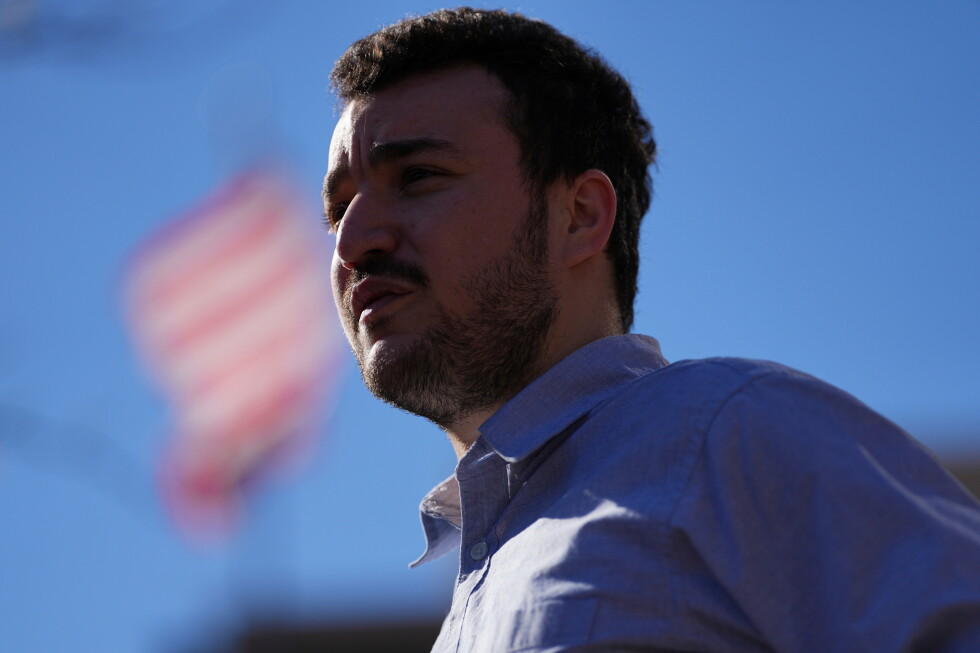
In the ongoing legal struggles of pro-Palestinian activist Mahmoud Khalil, a former Columbia University student, a new chapter unfolds as he plans to seek intervention from the U.S. Supreme Court. This follows a narrow decision by a federal appeals court that edged the U.S. government closer to deporting him.
On Friday, the 3rd U.S. Circuit Court of Appeals in Philadelphia voted 6-5 against a full court review of a previous decision. Earlier, a three-judge panel from the same court had concluded that a federal judge in New Jersey, who had ordered Khalil’s release from immigration detention, lacked jurisdiction over the case.
The American Civil Liberties Union (ACLU), representing Khalil, announced plans to request the 3rd Circuit to suspend the ruling’s implementation. This would prevent Khalil from being detained or deported while his case is potentially brought before the Supreme Court.
An appeal to the Supreme Court is anticipated in the coming months, possibly by late summer. ACLU senior counsel Brett Max Kaufman stated, “Today’s decision is not the final word, and we still strongly believe in our arguments going forward.”
The January ruling by the 3rd Circuit indicated that Khalil’s challenge to his detention was premature. Federal law mandates that such disputes first proceed through the immigration court system, which is under the Department of Justice rather than the judicial branch.
The decision did not address the central issue of whether the Trump administration’s deportation efforts against Khalil, based on his campus activism and criticism of Israel, are unconstitutional. Judge Cheryl Ann Krause, in her dissent, stated that the court was “abdicating our duty to meaningfully review Khalil’s constitutional claims,” emphasizing the judiciary’s role as a check on governmental power.
Khalil, 31, has also appealed to the 5th U.S. Circuit Court of Appeals in Louisiana, contesting the Board of Immigration Appeals’ decision to uphold his removal order. His legal team argues that the immigration judge failed to consider pertinent evidence and wrongly upheld allegations that Khalil misrepresented information on his legal permanent resident application, claims they say were retaliatory.
The immigration judge suggested possible deportation to Algeria or Syria. Khalil’s lawyers argue that he would face grave danger in either country, given his Palestinian heritage and background.
Khalil, a prominent pro-Palestinian leader at Columbia University, was arrested in March 2025. He was detained in a Louisiana immigration facility for three months, during which he missed the birth of his child.
Federal authorities have accused Khalil of leading activities “aligned to Hamas,” though they have not presented any evidence or criminal charges. They also alleged that Khalil failed to disclose information on his green card application, accusations he dismisses as “baseless and ridiculous.”
The government justified the arrest using a rarely invoked statute, allowing for the deportation of noncitizens whose beliefs threaten U.S. foreign policy interests. In June 2025, Judge Michael Farbiarz ruled that this justification would likely be declared unconstitutional, leading to Khalil’s release.
The Trump administration appealed, arguing that deportation decisions should rest with an immigration judge, not a federal court. The 3rd Circuit sided with the administration in a 2-1 decision.
Judge Emil Bove, who previously investigated student protesters as a top Justice Department official, did not participate in the 3rd Circuit vote regarding the review. He later dismissed a request from Khalil’s lawyers to recuse himself, labeling it moot.