In a significant move, the United States has announced its readiness to extend US$100 million in humanitarian aid to Cuba. However, this offer comes with the stipulation that the Cuban government and its military will not participate in the distribution of the aid.
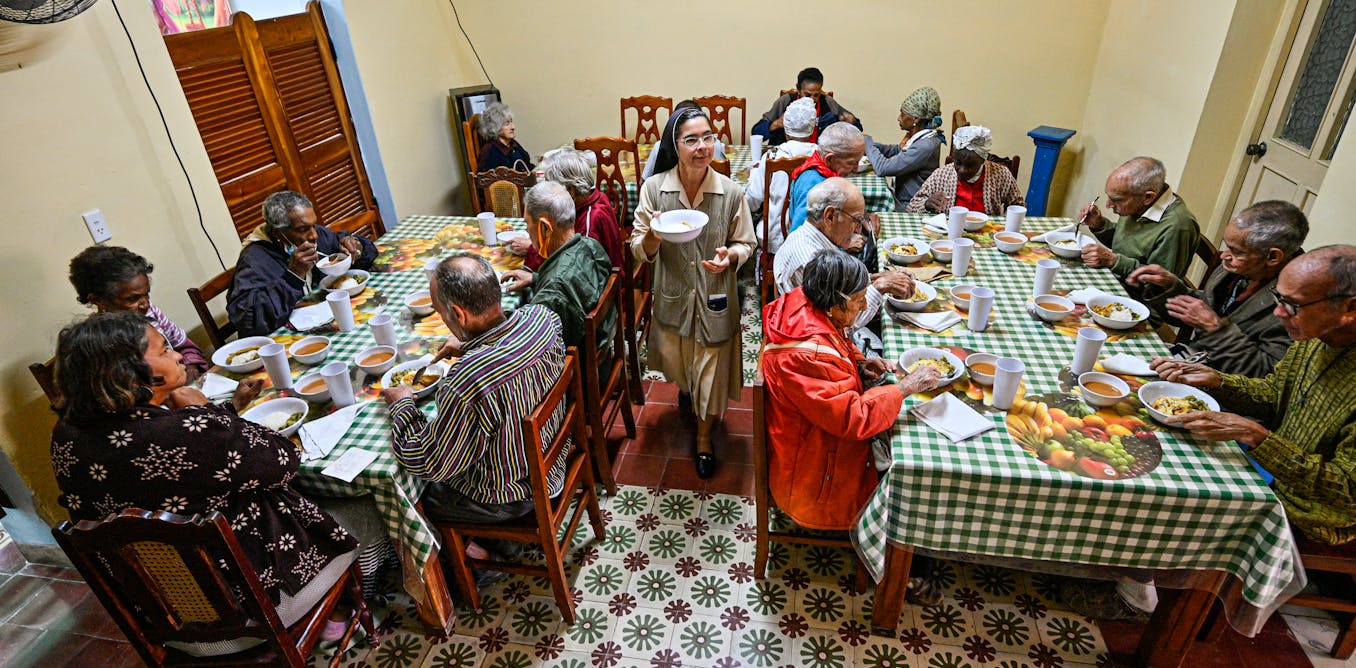
The U.S. government insists that the aid be delivered through humanitarian and faith-based organizations, such as Caritas – the Catholic Church’s humanitarian network. This reflects a lack of trust in the Cuban government by the U.S., which aims to ensure the assistance directly benefits the Cuban population.
Secretary of State Marco Rubio reiterated these conditions on May 20, 2026, during a video address to the Cuban people. His remarks coincided with Cuban Independence Day, where he attributed Cuba’s economic issues and energy shortages to its own administration.
Cuban President Miguel Díaz-Canel responded by accepting the aid offer without ingratitude but also criticized the approach, urging the U.S. to reconsider the longstanding embargo. The timing of the aid proposal was further complicated by the U.S. indictment of Raúl Castro, a pivotal figure in Cuba’s revolutionary history.
Alternative Distribution Channels
There are questions about the capacity of religious and nonprofit organizations to effectively manage such a large amount of aid within Cuba. However, historical precedents suggest that these groups, particularly the Catholic Church, have successfully coordinated aid distribution in the past.
Following Hurricane Melissa in 2025, the U.S. supported smaller aid shipments to Cuba through these channels, proving their effectiveness in reaching vulnerable communities.

Yamil Lage/AFP via Getty Images
Diverse Faith-Based Networks
In addition to the Catholic Church, Protestant and evangelical groups like the Baptists and Assemblies of God also maintain significant outreach capabilities across Cuba.
These networks are crucial for reaching remote areas that often lack the resources to distribute aid effectively. Their presence in rural communities is vital for ensuring aid reaches those most in need.
Economic Challenges and Energy Crisis
Cuba’s current economic struggles are exacerbated by a severe energy crisis following the loss of discounted oil from Venezuela, which ended in January 2026 after the U.S. ousted Venezuelan President Nicolás Maduro and imposed an oil blockade. This has left the island without sufficient fuel to power essential services.
The situation has led to prolonged blackouts and worsened access to healthcare and food, creating a dire humanitarian situation that, unlike natural disasters, is politically driven.

Adalberto Roque/AFP via Getty Images
Implications for Cuban Americans
The U.S. humanitarian aid proposal, if executed through faith-based organizations, could resonate with many Cuban Americans who prefer aid that doesn’t empower the Cuban regime. This strategy might appeal by demonstrating transparency and ensuring aid reaches those in dire need.
The effectiveness of this aid initiative could ultimately hinge on the cooperation and capacity of these networks to overcome logistical challenges and deliver the much-needed assistance.