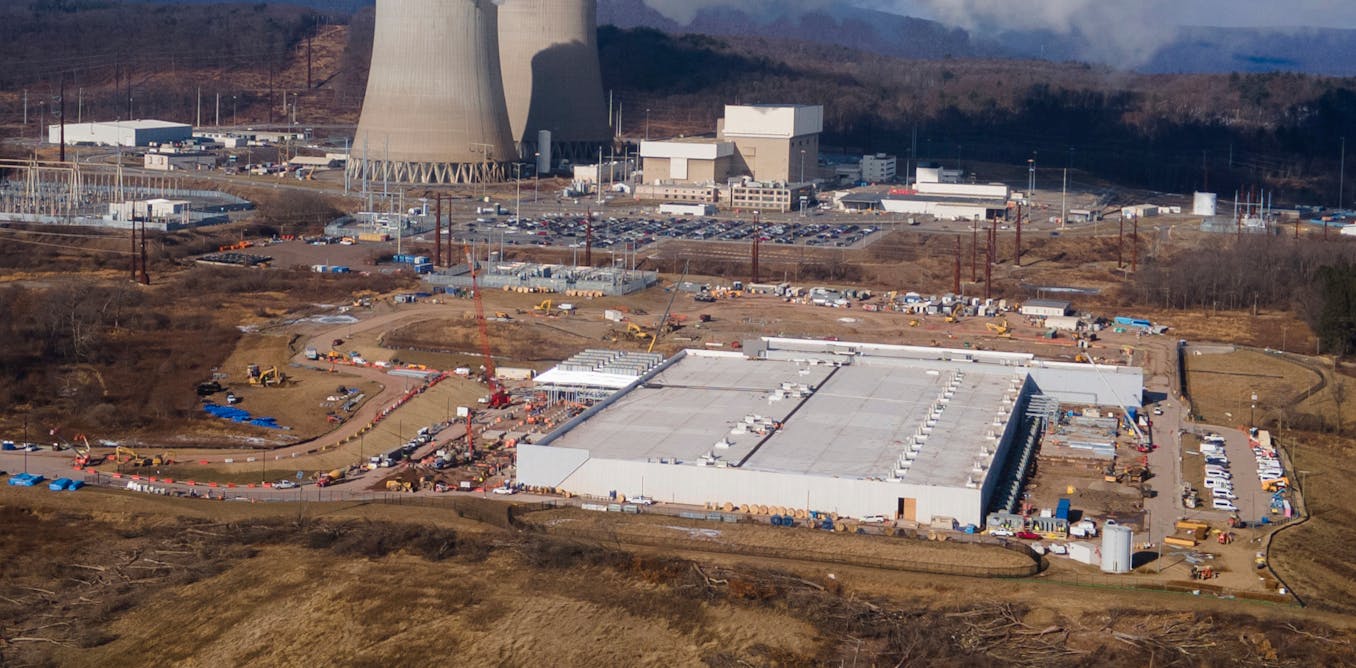
Amid rising tensions, the debate over the expansion of data centers continues to intensify across the United States.
Starting in 2024, the Data Center Tracker has recorded over 1,200 public actions against data centers, highlighting concerns about grid capacity, water usage, and site transparency. These issues have sparked a wave of political responses. For example, Maine’s legislature passed a bill in 2026 to impose the first statewide moratorium on new data centers, but it was vetoed by Gov. Janet Mills. The governor cited the potential loss of a US$550 million project at the Androscoggin Mill in Jay as a key reason for her decision.
Despite the veto, Gov. Mills acknowledged the political climate by advocating for a temporary pause in development, signing a law to prevent state tax incentives for data centers, and promising to establish a council to examine the industry’s statewide impact. This situation in Maine is reflective of a broader national trend, with up to 10 other states considering similar restrictions.
Nevertheless, there remains a lack of conclusive evidence on the economic benefits that data centers might bring to local communities. Scholars researching the effects of technological developments on business strategies have sought to provide rigorous data to aid policymakers. Their research shows that while data centers can enhance growth and employment, these benefits are most significant in urban and developed local economies.
Dissecting the Economic Impact
Many state and local governments have historically offered incentives to attract data centers, including tax abatements and exemptions. However, a growing number of jurisdictions are now resisting such projects, with legislation blocking significant investments. Research conducted by experts combined data on economic activity before and after the establishment of a data center, revealing that employment, wages, and business establishments generally increase following the introduction of a data center.
In metropolitan areas with a robust labor and capital presence, the economic impact is more pronounced, with employment and wages seeing substantial increases. Conversely, rural areas benefit less from such developments, underscoring the importance of the existing economic landscape in determining the impact of data centers.
Further analysis shows that data centers operated by large tech firms tend to increase local wages more than those run by smaller companies. Additionally, regions with multiple data centers experienced more significant economic gains than those with only one.
Examining Electricity Costs
The heavy power consumption of data centers has fueled concerns about rising electricity bills for consumers. The study examined areas where a utility’s service area was localized, finding a 5% increase in retail electricity prices after a data center became operational. However, this figure varies due to differences in utility territories, rate-setting rules, and other influencing factors such as weather and regulations.
Despite these complexities, the 5% estimate challenges more alarming reports suggesting larger spikes in electric bills, which may not accurately attribute such increases solely to data centers.
Navigating the Future of Data Center Developments
As the pushback against data centers grows, particularly in areas with existing facilities, communities face decisions under uncertain conditions. The findings suggest that while metropolitan counties experience notable economic benefits, rural areas see limited job growth. Additionally, local opposition may be tied to broader concerns about artificial intelligence rather than direct experiences with data centers.
Future decisions on data center siting will require careful consideration of local economic benefits and the equitable distribution of project gains. The design of subsidies, tax incentives, and infrastructure upgrades will play crucial roles in determining the net impact on communities. Although the current research lays a foundation for understanding these dynamics, further exploration is needed to fully assess the long-term effects of data center developments.