In the rapidly evolving landscape of military technology, small drones are carving out a significant niche, driven by companies like Neros Technologies. Despite initial challenges in finding a market within the U.S. military, Neros has now positioned itself as a key player in the development and deployment of first-person-view drones, particularly for military use.
Founded in 2023, Neros Technologies initially faced a tepid response from the U.S. military regarding small, first-person-view drones. “It took us a while to find the right customers and end users who were excited about the technology and wanted to move very quickly,” explained Soren Monroe-Anderson, Neros CEO and co-founder, during a Defense Innovation Unit test event in Fairbanks, Alaska.
The company was driven by the belief in the military potential of affordable, compact drones, a belief that was reinforced by their utility on the Ukrainian battlefield. Early on, Monroe-Anderson and team members visited Ukraine to observe firsthand the operational use of drones, gaining insights that would shape the company’s strategic direction in production, supply chain management, and rapid product iteration.
To support its vision, Neros secured funding from investors such as Peter Thiel and Sequoia Capital, enabling the construction of a 15,000 square foot facility in Los Angeles. They also focused on diversifying their supply chain to reduce dependence on Chinese components, while establishing an office in Ukraine to stay abreast of field developments.
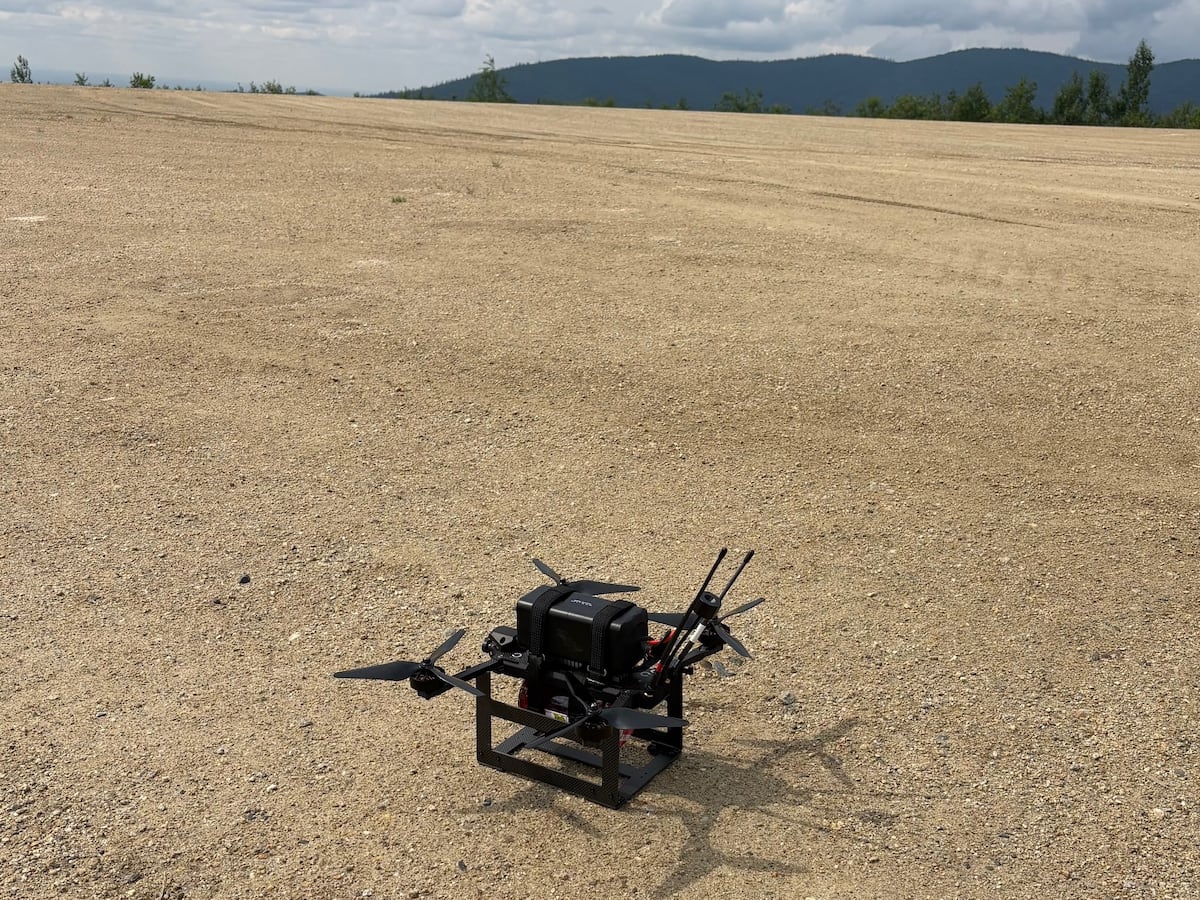
Progress is evident in Neros’s recent contract with the International Drone Coalition to supply 6,000 drones to Ukraine over six months. This contract stands as one of the largest awarded to a U.S. supplier, complementing Ukraine’s own production of over 2.2 million drones in 2024. Currently, Neros produces approximately 1,500 Archer drones monthly, with two-thirds allocated to Ukraine and the remainder to U.S. military branches such as the Marine Corps, Army, and U.S. Special Operations Command.
Neros is among the select FPV companies whose drones conform to the Department of Defense’s supply chain requirements, which exclude Chinese suppliers for crucial components. This status was further solidified when Neros was included in a list of 13 U.S. defense firms sanctioned by China, which the company regards as “a badge of honor.”
Looking forward, Neros aims to significantly increase its production capabilities, with a target of 10,000 drones monthly by the year’s end and a long-term goal of reaching one million annually, primarily for the U.S. Department of Defense. Monroe-Anderson emphasized the necessity of this scale, stating it is “absolutely required” for future U.S. defense needs. He added, “Even if the government right now isn’t handing out a contract for a million drones a year, we know that’s what the country needs.”
As the Pentagon seeks to expand its inventory of cost-effective, expendable drones, it has launched initiatives such as the Replicator program, aiming to deploy thousands of drones by August and establish scalable innovation processes. However, experts suggest that the program’s goals may fall short of actual needs.
The demand for FPV drones within the Department of Defense is increasing, according to Trent Emeneker of the Defense Innovation Unit. The challenge, he notes, is aligning this demand with available resources and programmatic support. Monroe-Anderson observed a shift in demand dynamics, noting that the company has moved from convincing potential clients to responding to incoming inquiries about training and system capabilities.
While Neros does not yet have a contract requiring an immediate production scale-up, Monroe-Anderson maintains that being prepared for future demand is crucial. He stated, “Availability is one of the most critical things here. I think the companies who are going to win in this space are the ones who are able to ramp production capacity very quickly.”