In the wake of a series of catastrophic natural events in 2026, global relief efforts have been mobilized to address the widespread devastation. Earthquakes have rocked Venezuela and Colombia, while Nepal has been hit with severe floods and mudslides, resulting in tens of thousands of casualties and leaving many more injured or missing. The scale of destruction includes hundreds of thousands of homes and some neighborhoods being completely obliterated.
International aid has poured in, with the United Nations Global Emergency Fund allocating US$2 million to assist Nepal, supplemented by over $3 million from the U.S. and nearly $3 million from the European Union. Major humanitarian agencies like Direct Relief and Save the Children have initiated fundraising efforts to bolster response initiatives in Nepal.
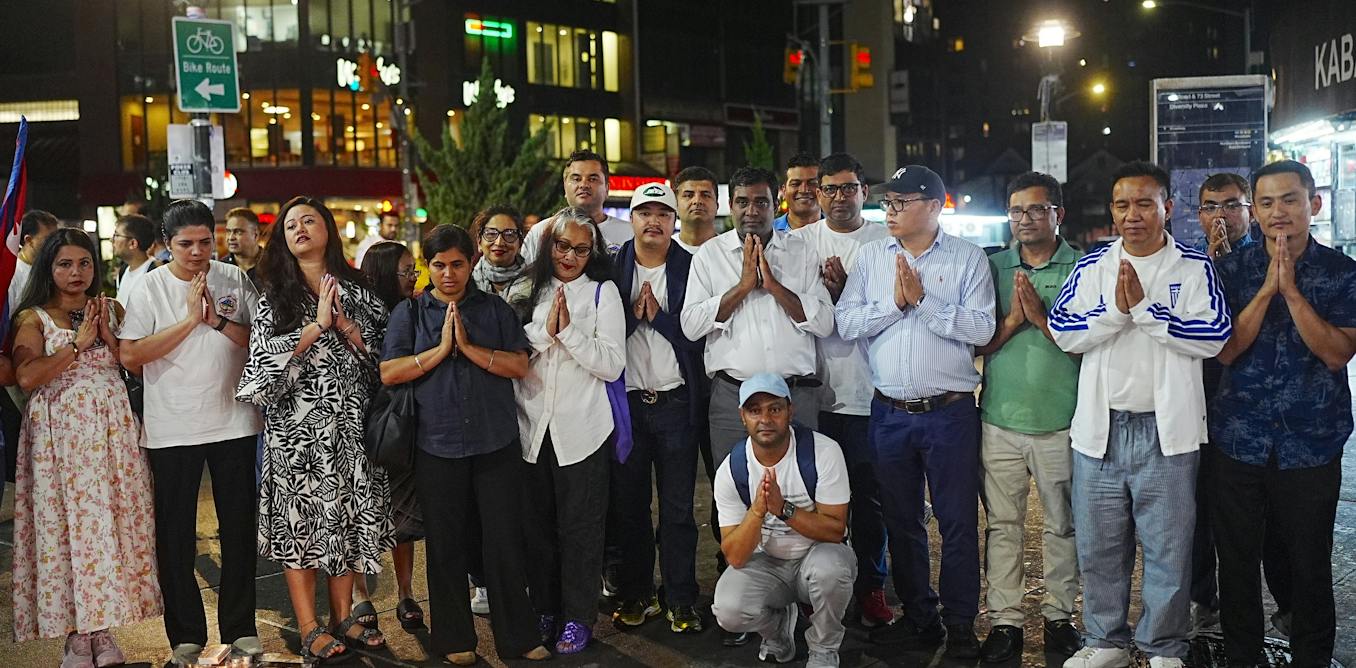
Interestingly, diaspora communities have emerged as key players in these relief efforts. Although small in scale, these groups have swiftly coordinated with local organizations in their countries of origin to provide aid, leveraging strong donor networks within their communities in the U.S.
Diaspora-Led Support Initiatives
Funds sent by individuals living abroad to support relatives in their home countries are known as remittances, with global remittance flows exceeding $900 billion annually. Beyond this, diaspora groups are playing a significant role in development aid, particularly in response to natural disasters, though precise figures for this additional aid are lacking.
Nepalese community organizations in the U.S., such as the Nepali Association of Oregon and the Albany New York Nepalese Society, are actively gathering donations for disaster relief. Similarly, after the Venezuelan earthquakes, organizations like Venezuelans and Immigrants Aid have mobilized to provide support.
Agile and Effective Nonprofits
Research indicates that diaspora-led nonprofits are adept at quickly responding to crises due to existing partnerships with community groups in their countries of origin. Colombian diaspora organizations, for example, have a history of engaging in projects related to education and nutrition, enabling them to extend their reach during disasters.
A Miami-based nonprofit, Give to Colombia, exemplifies this agility. In response to the 2026 earthquake in Colombia’s Chocó region, they, together with Presentes Corporation, launched the Colombia Se Levanta campaign to fund recovery and rebuilding efforts.

David Peinado/NurPhoto via Getty Images
Engaged Volunteers and Donors
Diaspora-led nonprofits often have a dedicated group of volunteers and donors. The Albany, New York, Nepalese Society, for instance, has a network of over 600 Nepalese ready to contribute to relief efforts.
Moreover, organizations engage younger generations, whether they immigrated as children or are descendants of immigrants, to broaden their support base. Initiatives like the India Philanthropy Alliance’s Youth Essay Competition encourage young Indian Americans to propose solutions to India’s social issues.
While the funds raised by these nonprofits may be modest compared to larger efforts—such as Give to Colombia’s near $300,000 target—their deep-rooted connections to their homelands ensure that they remain a vital part of disaster response efforts.