MP Materials’ Strategic Partnerships Propel U.S. Rare Earths Production
In a significant move to bolster the supply chain of rare earth elements in the United States, MP Materials has secured a $500 million agreement with Apple. This deal aims to ramp up the production of essential magnets used in high-tech products, including iPhones and electric vehicles.
The announcement closely follows the U.S. Defense Department’s decision to invest $400 million in MP Materials. This investment positions the government as the largest shareholder in the Las Vegas-based company, underscoring a strategic effort to enhance domestic magnet production capabilities.
Despite the misleading name, rare earth elements are not particularly scarce. However, finding them in concentrations viable for mining is challenging. These elements are critical in a wide range of applications, from smartphones to military equipment like submarines and fighter jets. The dominance of China in the rare earth market has made these elements a focal point in U.S.-China trade negotiations, especially after China’s imposition of export limits in response to tariffs announced by President Donald Trump.
The Apple partnership will enable MP Materials to expand its Texas facility to produce magnets from recycled materials, a crucial component in making iPhones vibrate. Production for Apple’s products is slated to begin in 2027, while magnets for General Motors’ electric vehicles are expected to roll out later this year.
This collaboration aligns with Apple’s broader commitment to invest $500 billion domestically, a pledge made during the Trump administration. While the Apple deal is significant, the agreement with the Defense Department may have an even larger impact on MP Materials’ future.
According to Neha Mukherjee, a rare earths analyst at Benchmark Mineral Intelligence, the Pentagon’s 10-year agreement guarantees a stable price for neodymium and praseodymium, shielding MP Materials from potential price reductions by Chinese producers. “This is the kind of long-term commitment needed to reshape global rare earth supply chains,” Mukherjee stated.
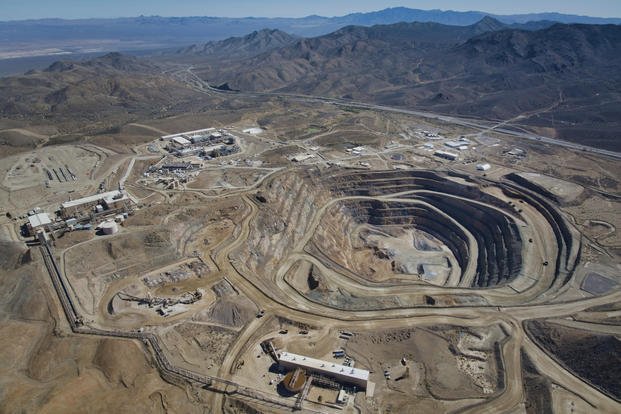
Efforts to reduce American dependency on Chinese rare earths have been a priority for the Trump administration, fostering support for MP Materials and encouraging the development of new mining projects. While China has conceded to issue some export permits, military applications remain restricted, adding a layer of uncertainty to the supply chain. MP Materials alone cannot fulfill the entire U.S. demand with its Mountain Pass mine in California.
Recent agreements between Beijing and Washington indicate a mutual de-escalation of non-tariff measures. China plans to grant export permits for rare earth magnets, while the U.S. is easing restrictions on chip design software and jet engines. Although these steps are designed to ease trade tensions, they do not completely resolve the fundamental issues as both nations continue to mitigate their reliance on each other.