In a move to bolster European defense collaboration, Germany and France are set to address the ongoing disagreements in their Future Combat Air System (FCAS) project. This initiative aims to resolve disputes between partner companies over work allocation by the year’s end, as stated by German Defence Minister Boris Pistorius following a meeting with French Armed Forces Minister Sebastien Lecornu.
Pistorius emphasized the necessity of cooperation over national interests, highlighting the importance of German-French unity. “Some of the involved companies not only have enormous amounts of expertise, they also have – naturally – their own interests and their own will,” Pistorius noted at a press conference in Osnabrück, Germany. “We knew that from the beginning.”
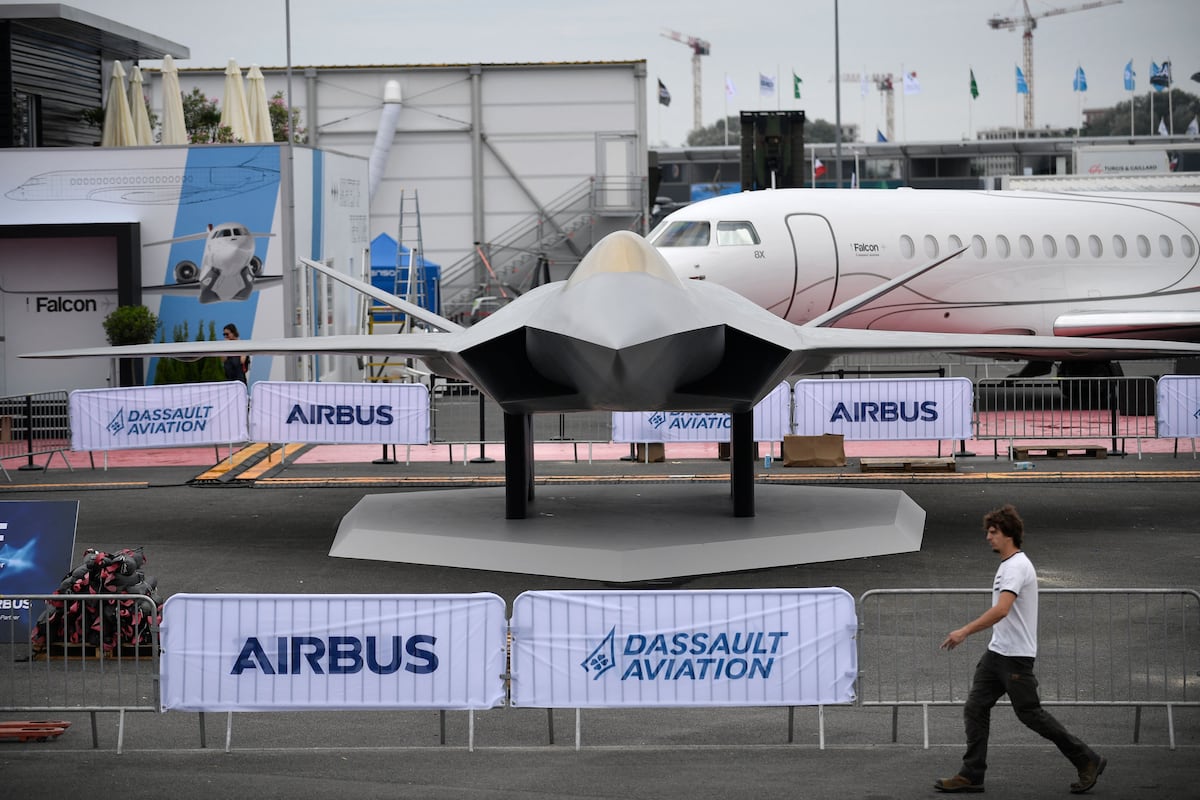
The FCAS project, a joint effort by Germany, France, and Spain, faces challenges due to differing interests among its leading companies. French manufacturer Dassault Aviation, spearheading the fighter jet development, has voiced concerns about delays caused by work share conflicts with Airbus, which represents German and Spanish interests.
France has urged its partners to reassess the work share to ensure the project remains on track for a 2040 launch, as articulated by the country’s armaments directorate earlier this month.
Minister Lecornu described this phase as a critical juncture, with phase 2 focusing on creating a demonstrator. This step introduces more operational considerations, as it will solidify the collaboration to produce an aircraft.
Despite existing challenges, Pistorius expressed optimism, stating that none are insurmountable. Lecornu added that the partners have reviewed previous phases to identify successes and issues, which will guide instructions to their armaments agencies and involved companies.
Both ministers stressed that strengthening European defense capabilities hinges on robust French-German cooperation. The FCAS and the Main Ground Combat System, both slated for completion by 2040, are pivotal projects.
Lecornu outlined three primary criteria for the FCAS: meeting the armed forces’ needs, adhering to the timeline, and respecting French sovereignty. The project’s timeline is crucial, with any delays potentially pushing full operational capability to 2045, contrary to the 2040 goal.
For France, the capability to carry nuclear weapons and operate from aircraft carriers are essential requirements. “Basically, we are not here to carry out industrial operations or projects, but to carry out armament projects for our forces, and as a result, place orders with our manufacturers,” Lecornu stated, marking a shift from previous industry-focused cooperation.
Germany’s stance on future FCAS-related exports remains supportive, with Pistorius asserting that arms export decisions are national matters, independent of the European Commission’s influence.