Florida National Guard Faces Overextension Amidst Overseas and Domestic Deployments
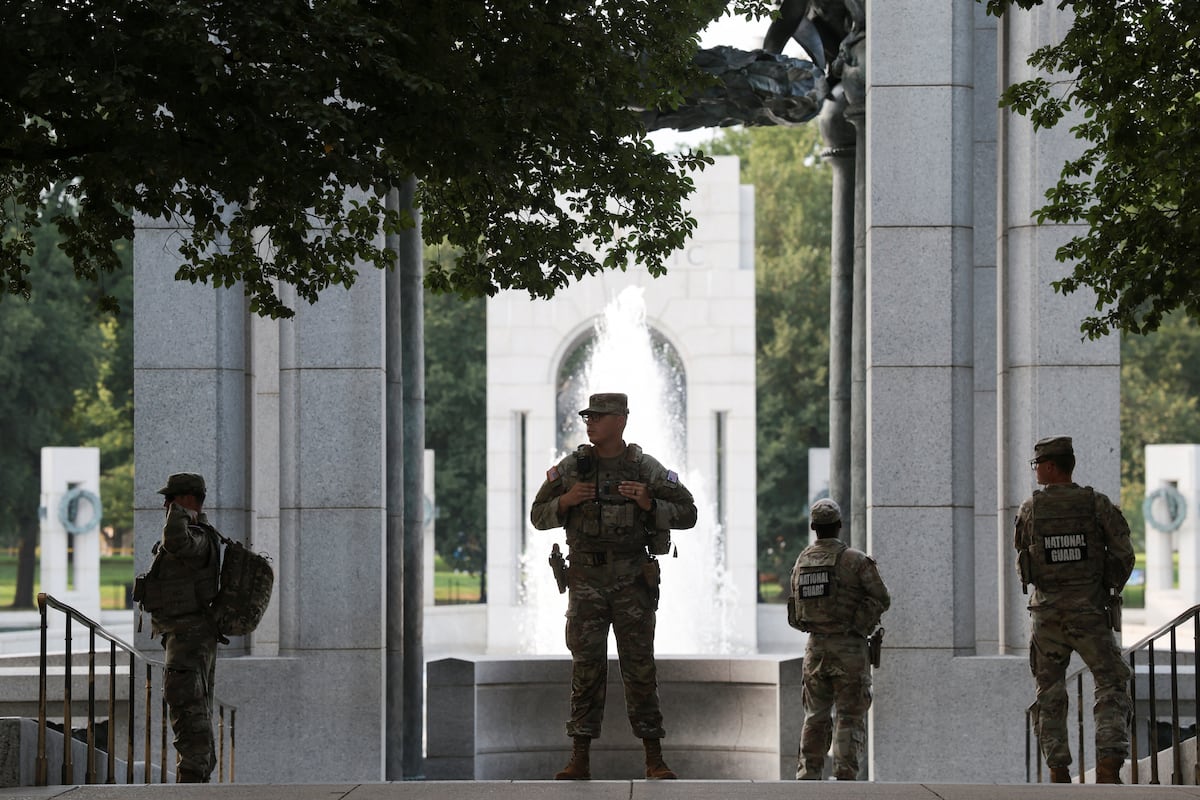
In a challenging scenario for the Florida National Guard, a significant portion of its forces are currently stretched thin due to extensive deployments overseas and domestically. Approximately 3,000 troops, representing nearly 30% of the state’s National Guard, are deployed overseas, alongside 800 members supporting U.S. Immigration and Customs Enforcement (ICE) under federal orders. Furthermore, many troops are stationed in Washington, D.C., providing support to local law enforcement efforts. [source]
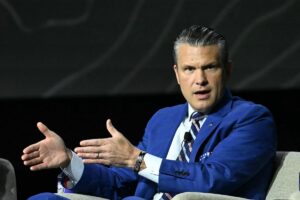
These extensive demands exceed the Guard’s true capacity by more than threefold, according to Maj. Gen. Robert Carruthers, assistant adjutant general of the Florida Guard. Despite the recent activation of the Florida State Guard to aid in hurricane response and other state needs, the situation remains unsustainable. During a panel discussion at the Association of the United States Army’s annual meeting, Guard leaders emphasized the urgent need to address these overwhelming demands.
Maj. Gen. Carruthers noted the strain on equipment readiness and training, highlighting that funding has not kept pace with the deployment of units and their gear. “You’re going to have this cascading effect of breaking units downstream,” he stated. The concern is particularly acute for critical components like transportation companies and aviation units, essential for hurricane relief efforts.
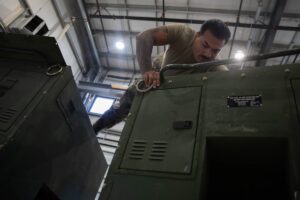
The Florida Guard conducted a “maintenance stand-down” to evaluate the condition of equipment within its infantry brigade combat teams, revealing a dramatic drop in readiness rates from 90% to 27% in just six weeks. “It’s somewhere five degrees below combat-ineffective, right?” Carruthers remarked, emphasizing the challenges of maintaining equipment without sufficient funding.
Maj. Gen. Jack James of the New York-based 42nd Infantry Division proposed a solution to manage governors’ demands by introducing a “broker” and a “traffic cop” to prioritize activation requests. “We need the arbiter of how those resource allocations are going to be made,” James explained, pointing to the inherent friction between state and federal requirements.
Amid the COVID-19 pandemic, 2020 saw unprecedented mobilization of around 118,000 Guard troops globally. The onset of President Donald Trump’s second term in 2025 marked the beginning of new domestic deployments, aimed at addressing unrest and supporting ICE enforcement in Democratic cities, in addition to crime reduction efforts in Washington, D.C. These deployments are projected to cost the country $1.4 billion through January 2029. [source]
Army National Guard Director Lt. Gen. Jonathan Stubbs acknowledged the pressing need for action, saying, “Hope is not a method in this case; there is no fail. We’ve got to figure this thing out.” He stressed the importance of open communication between adjutants general and governors to address the implications of mobilization and its potential impact on access to National Guard service members. “It’s going to require hard conversations,” Stubbs concluded.