An international court has quietly narrowed one of its most politically charged investigations — one that once put American soldiers in its crosshairs. The move marks a significant, if complicated, development in the long-running legal standoff between the International Criminal Court and the United States.
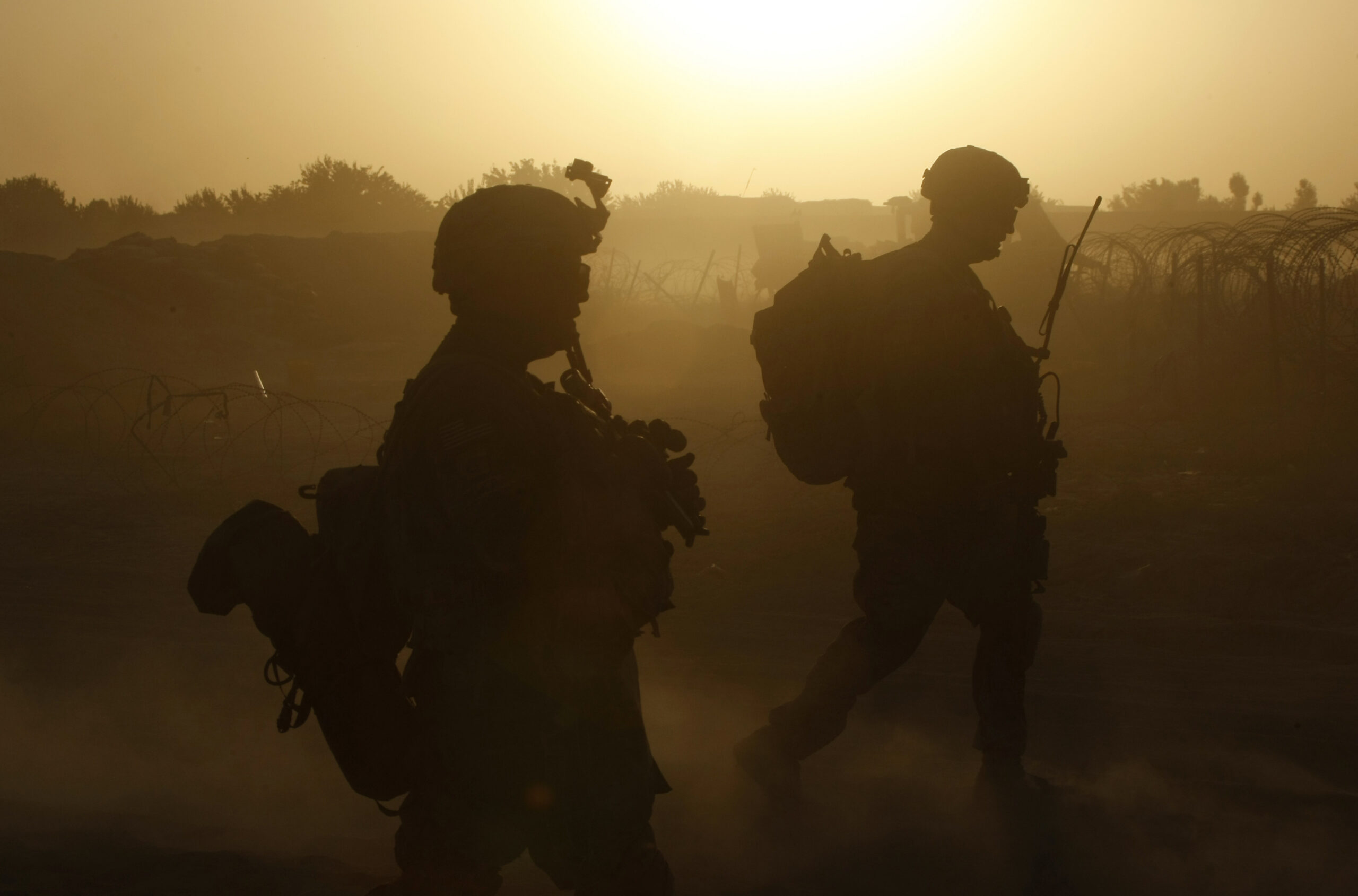
Judges at the International Criminal Court (ICC) have formally closed a portion of the court’s Afghanistan investigation — specifically the part that looked at alleged crimes by U.S. troops during the conflict there. That line of inquiry had already been inactive since 2021, but the new ruling makes the closure official. Judges also shut down a separate inquiry into the Islamic State Khorasan (ISIS-K) militia as part of the same decision.
Going forward, the Afghanistan case will focus exclusively on alleged crimes committed by the Taliban since 2021. Arrest warrants previously issued against four Afghan Taliban leaders remain in effect and are not impacted by the ruling.
Why Judges Made the Call
According to court documents, judges decided to close part of the case because prosecutors had not demonstrated they could effectively pursue allegations in Afghanistan beyond the Taliban-focused probe. Earlier this year, judges had ordered prosecutors to split the Afghanistan inquiry into two separate investigations — one targeting Taliban conduct, and the other covering the broader original probe, which had evolved to focus on ISIS-K after the U.S. troop inquiry stalled.
By formally closing the second track, the court is narrowing its focus to what it considers the most viable and active area of investigation.
Where the U.S. Stands
The ruling arrives against a backdrop of deep tension between Washington and the ICC. The United States imposed institutional sanctions on the court, citing two major objections: the court’s issuance of arrest warrants against Israeli officials, and the now-closed investigation into the conduct of American soldiers in Afghanistan.
Whether this latest decision will ease those tensions remains an open question. Closing this portion of the Afghanistan inquiry does not alter the ICC’s founding statute, which allows the court to prosecute anyone accused of atrocity crimes committed on the territory of a member state — a provision that could still, in theory, apply to U.S. nationals in future scenarios.
The ICC’s office of the prosecutor has appealed the judges’ decision but has not offered further details on its legal arguments. That appeal signals that the legal battle over how the Afghanistan investigation is structured is not yet fully resolved, even as the formal closure of the U.S.-related probe moves forward.
For American readers following the case, the core takeaway is straightforward: the ICC will no longer be actively investigating U.S. troops for actions taken in Afghanistan, though the court’s broader legal authority over U.S. nationals in other contexts remains unchanged. The case continues to unfold as a flashpoint in the complicated relationship between the United States and international legal institutions. Follow Army Times for continued coverage of developments affecting U.S. military personnel abroad.