Army Secretary Advocates for Greater Budget Flexibility in Advanced Warfare Technologies
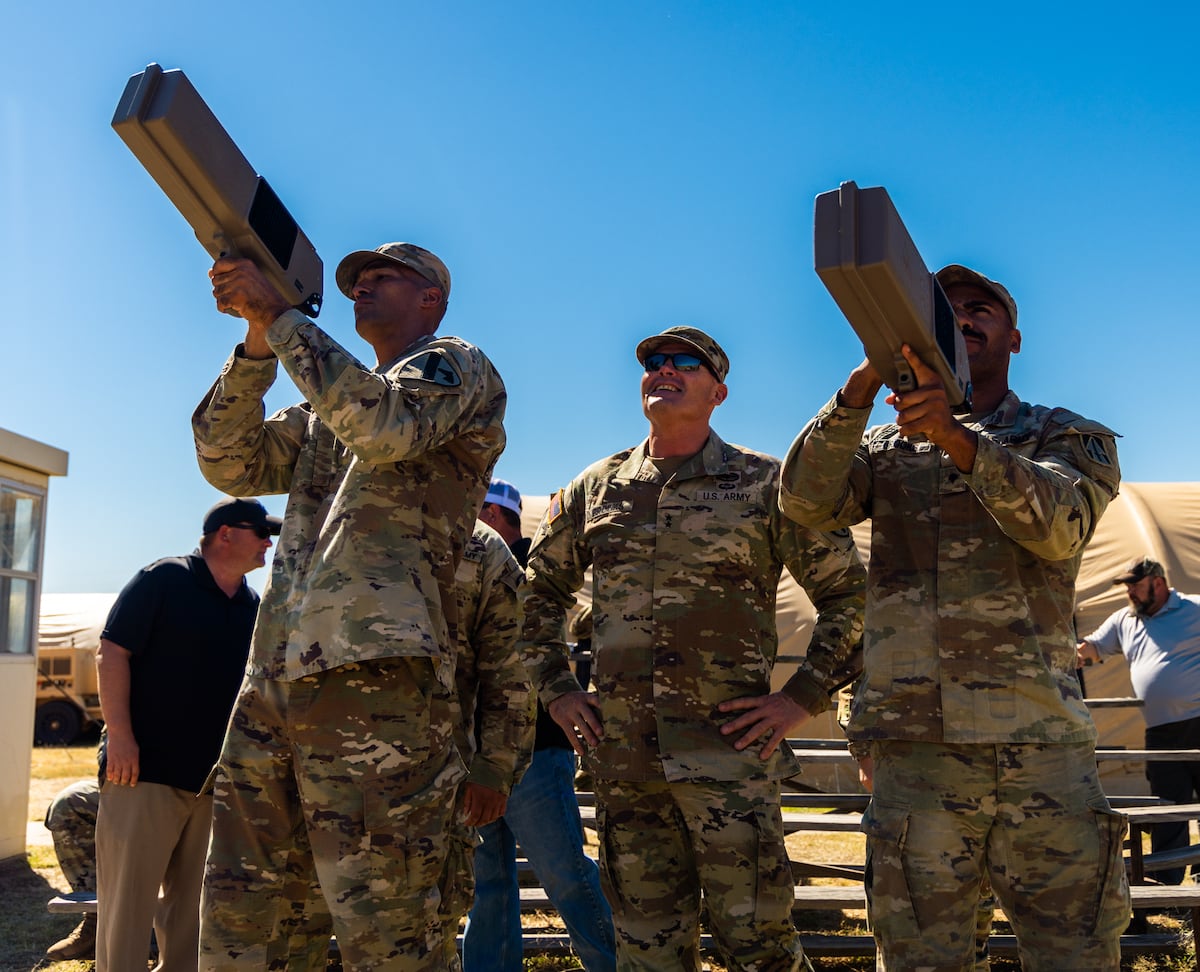
Amidst a challenging landscape on Capitol Hill, Army Secretary Daniel Driscoll is fervently advocating for increased budgetary flexibility. His focus is on bolstering resources for electronic warfare, unmanned aerial systems (UAS), and counter-drone technologies. Driscoll describes his mission as a “holy war” to persuade lawmakers of the critical need for these enhancements.
The friction Driscoll faces is emblematic of a broader historical tension between the Pentagon and Congress, centered on the oversight and allocation of taxpayer funds. Since assuming his role eight months ago, he has encountered persistent skepticism, exacerbated by prior unsuccessful modernization initiatives.
Driscoll highlighted the complexity of the Army’s procurement system, stating, “We have 1,400 [to] 1,500 line items of make and model of things we need to buy.” He emphasized the Army’s request to streamline acquisition processes specifically for electronic warfare and drone technologies, which constitute merely 1% of the total budget. Yet, this small percentage has become a focal point of contention over the desired procurement flexibility.
The Army initially proposed this flexible funding model in 2024 under the previous administration, aiming to keep up with rapidly advancing technological landscapes. Traditional acquisition processes risk delivering outdated equipment, a concern underscored by the rapid obsolescence of electronic warfare capabilities witnessed on the Ukrainian battlefield.
Driscoll acknowledged past shortcomings in utilizing taxpayer dollars effectively, which justifies Congress’s cautious stance on granting greater autonomy. However, he argued, “the problem is we are requesting more trust from them and more ability to move on our own, and I think that they are cautious and hesitant to give us that until we start to deliver wins at scale, but we can’t deliver wins at scale until we get this flexibility. So, it’s a little bit of a chicken and the egg setup.”
He remains “cautiously optimistic” that increased awareness about the potential risks, such as drones with munitions threatening public spaces, will prompt decision-makers to prioritize these security measures. Driscoll expressed confidence in the decision-makers’ ability to do what is necessary to address these threats.
As the National Defense Authorization Act discussions intensify, Driscoll stressed the urgency of securing this flexibility to combat evolving threats effectively. “We just cannot get after the EW, counter-UAS, and UAS threats without this flexibility. We must have it. And so we have made this a hill that we are willing to die on,” he stated.
For more details on the Army’s budgetary requests and plans, visit the Defense News article. Additionally, learn about the Army’s strategies for testing new gear in frontline units in this related article.