In an effort to revolutionize its aging industrial base, the U.S. Army is embarking on an ambitious project to transform its facilities into a cutting-edge network of drone manufacturing sites. This initiative highlights the challenges of scaling from prototype to mass production, particularly in the realm of unmanned aerial systems (UAS).
Lt. Gen. Christopher Mohan, acting commander of Materiel Command, noted the complexities involved, saying, “We know how to manufacture things. There’s not a problem with that, but UAS, they are different.” The Army is equipped to handle certain components like wiring harnesses and microelectronics but lacks capabilities for others, such as brushless motors, which require new machinery.
The urgency of this transformation is underscored by lessons learned from the Ukraine conflict, where low-cost drones have become a pivotal force on the battlefield. Both Ukraine and Russia have rapidly increased their drone production, a feat the U.S. aims to replicate through its new SkyFoundry initiative.
Catching Up
Unlike Ukraine, the United States has experienced difficulties in scaling production, primarily due to reliance on commercial suppliers and limited production runs. This gap has prompted officials to advocate for a robust domestic industrial network, capable of swiftly producing thousands of drones.
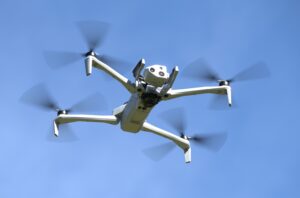
SkyFoundry aims to convert existing facilities, previously focused on tank and artillery production, into a dispersed network of drone factories. The objective is to manufacture 10,000 small, expendable drones per month, similar to those deployed in Ukraine.
Col. Eloy Martinez of Rock Island Arsenal highlighted the hurdles the Army faces, stating, “We have a lot of laws that we have to abide by … it’s the bureaucratic stuff that’s always downhill.” The focus now is on overcoming these barriers to expedite production.
Brig. Gen. Beth Behn, commander of Army Tank-Automotive and Armaments Command, emphasized the need for rapid adaptation following her experience with the Security Assistance Group-Ukraine. “We have got to adapt,” she urged, reflecting on the evolving drone threat.
SkyFoundry Takes Shape
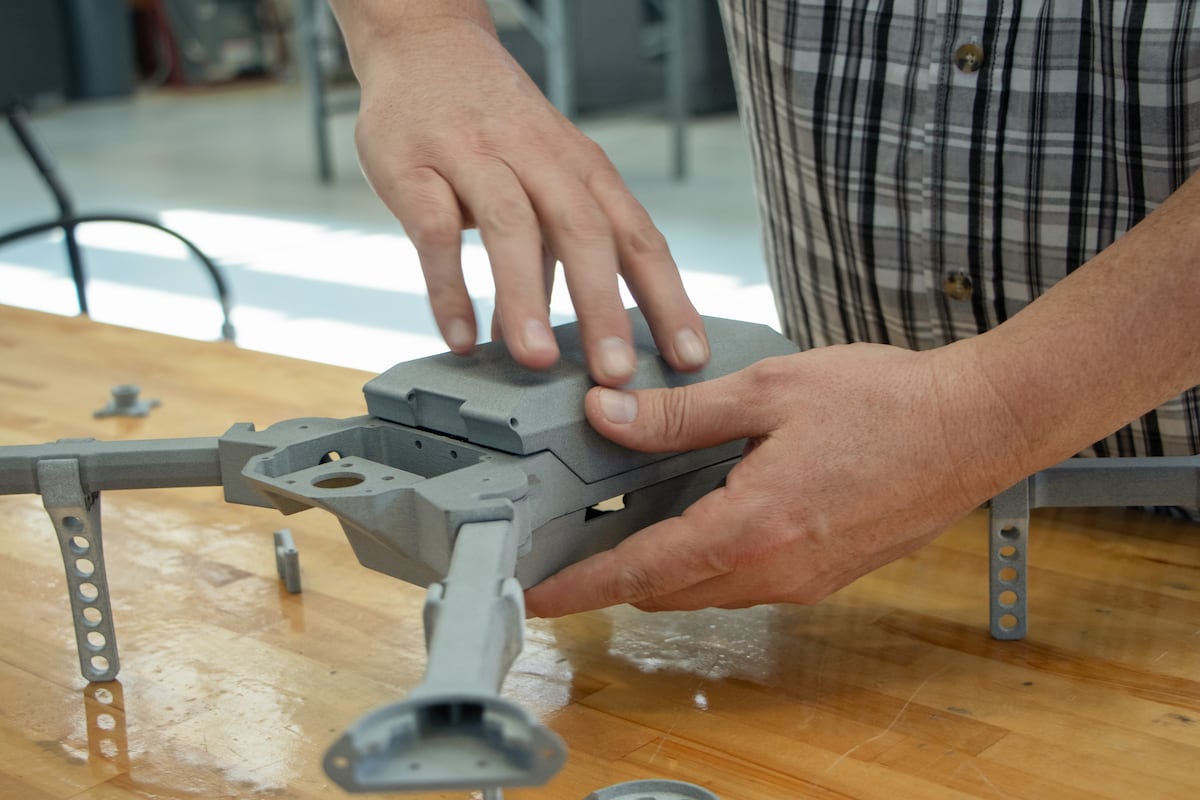
Rock Island Arsenal is set to become a key player in drone manufacturing, having invested in advanced 3D printing technology. The facility is already producing drone bodies and frames, with plans to install a new 3D printer capable of producing 120,000 drone bodies annually.
Once operational, this technology could produce up to 60 small drones per hour at costs under $100 each. Other depots will contribute specific components: Tobyhanna Army Depot will handle electronics and motors, while Red River Army Depot will focus on batteries and assembly.
“Rock Island will continue to print bodies. They will continue to print propellers and frames,” Mohan explained. “Tobyhanna will do the brushless motors. They will do the wiring harnesses and the microelectronics. Those systems will be shipped to Red River … for final assembly, testing, as well as manufacturing the batteries.”
The SkyFoundry concept involves a networked approach, allowing each site to specialize while sharing designs and data through a centralized digital repository. This system aims to streamline production and ensure rapid dissemination of technological updates.
The initiative also addresses a strategic goal of reducing dependency on overseas suppliers. “Ninety percent of UAS parts are coming out of China and Taiwan,” Mohan noted, emphasizing the importance of domestic production. The Army is exploring potential sites for rare earth mineral processing and lithium production to support this effort.
The first batch of drones will be sent to I Corps at Joint Base Lewis McChord, with the Army planning to scale up to 10,000 units per month. “We are on the cusp of an accelerated sprint on UAS production,” said Greg Lupton, Rock Island deputy commander.