The Army Accelerates M1E3 Abrams Tank Development
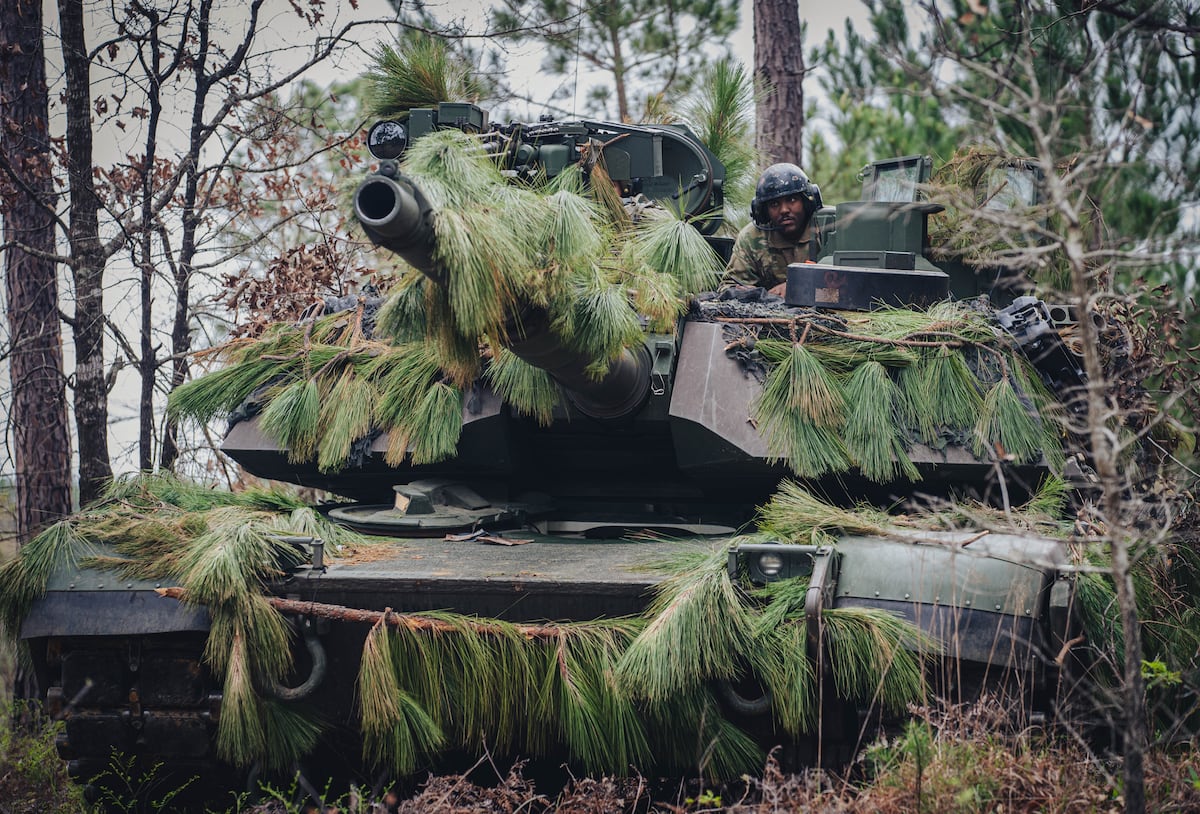
The U.S. Army is fast-tracking the development of its next-generation M1E3 Abrams tank, with a significant milestone expected by the end of next year. General Dynamics executive Danny Deep shared this update during a panel discussion at the Association of the United States Army’s annual meeting in Washington, D.C.
Deep, who serves as executive vice president for Global Operations at General Dynamics, announced that a “pre-prototype” version of the M1E3 would be provided to soldiers within the next 12 months for initial evaluations. “We’re going to have it fielded in the next 12 months for soldiers to touch it, see what they like, see what they don’t like,” he stated. “Then in short order after that, we’re going to start delivering this capability in the next two to three years, as opposed to the next 10.”
Details regarding which unit will receive the test vehicle are yet to be finalized. The M1E3 is set to replace the aging M1 Abrams, which has been in service since the 1990s. The accelerated timeline aims to deploy the new tank to combat units within 30 months, according to earlier statements made by officials.
Innovative Design and Engineering
Key factors accelerating the M1E3’s development include modularity, open architecture, and digital engineering. These elements are integral to creating a lighter tank, with improvements in drivetrain and power generation while maintaining core features like the 120mm smoothbore main gun. More details can be found in the Defense News report on the tank’s design.
Utilizing commercially available components has been pivotal in expediting the process. Deep emphasized, “The 90% solution is a much better answer than an ideal 100% solution that is so long from now that it isn’t going to be relevant when you get it anyway.” He added, “Everybody believes speed wins, not just on the battlefield, but in terms of how you get capability out to the soldier.”
Colonel Ryan Howell, acting deputy program executive officer for Ground Combat Systems, highlighted the potential use of diesel Caterpillar engines as cost-effective and readily available alternatives. He explained, “I can go from an engine that costs upwards of $1 million per [unit] right now… to something that is now commercially available – that a chief warrant officer in the division can grab a bunch of broken ones, go to the nearest Cat dealership in your country and go get it fixed for less than ten grand. I don’t need bespoke manufacturing.”