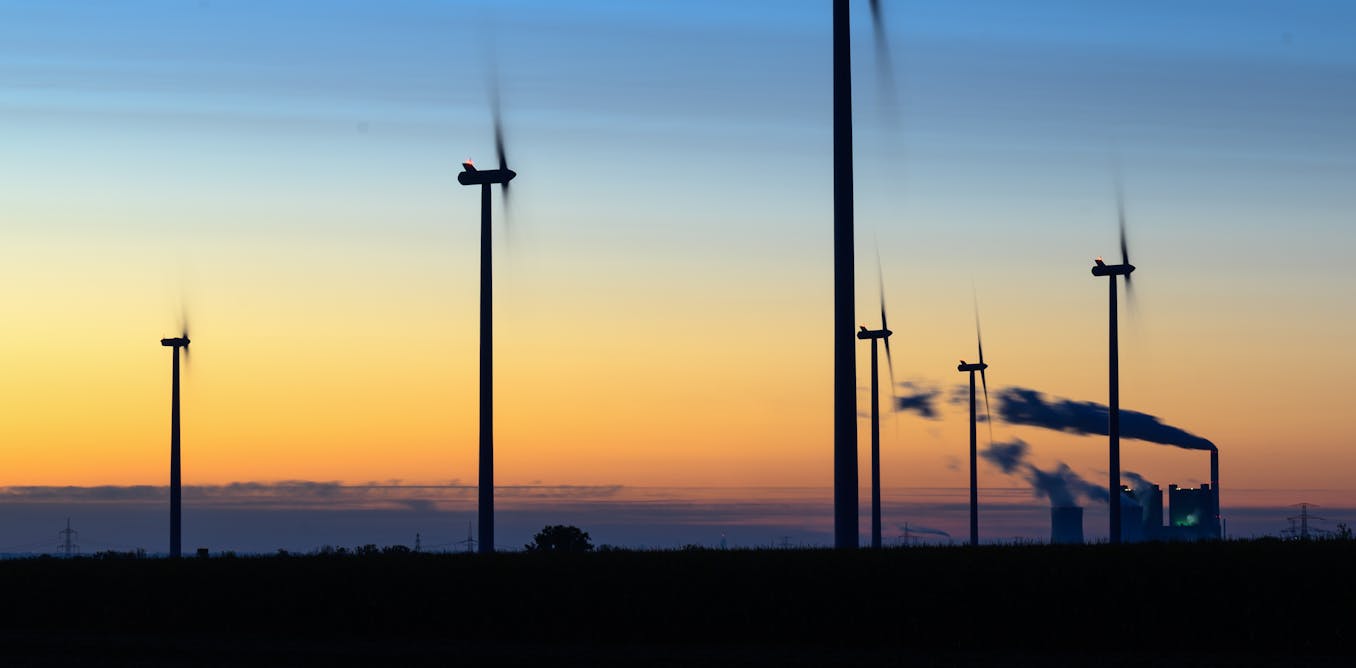
Despite significant advancements in renewable energy, fossil fuels continue to dominate the global energy landscape. While renewable sources have become more cost-effective and environmentally friendly, they have yet to fully displace coal, oil, and natural gas, which are major contributors to climate change and pollution.
Examining the energy policies of major greenhouse gas emitters like the U.S., China, and European countries provides insights into this paradox. These nations are grappling with the challenge of meeting increasing electricity demands while striving to cut greenhouse gas emissions that exacerbate global warming.
Fossil Fuel Policies in the United States
The United States’ focus on fossil fuels is evident. With substantial fossil fuel reserves and a strong oil and gas sector, the country continues to prioritize these energy sources. Under President Donald Trump’s administration, initiatives to boost oil, gas, and coal production have been justified by rising electricity demands, particularly for powering data centers that support artificial intelligence.
Reviving the “drill, baby, drill” slogan, Trump’s administration has also adopted a “mine, baby, mine” strategy to boost coal production. This comes as coal production had been declining over two decades due to the rise of cheaper natural gas and renewables.

Jabin Botsford/The Washington Post via Getty Images
The Department of Interior recently announced plans to open 13 million acres of federal land for coal mining, while the Department of Energy committed $625 million to make coal more competitive. This approach poses public health risks, as coal pollution is linked to various diseases and premature deaths.
The U.S. has also reduced funding for renewable energy, surrendering the lead in clean energy technology to China. The Trump administration’s 2026 budget request cuts energy research funding significantly, impacting long-term renewable energy initiatives.
China’s Dual Energy Strategy
China, meanwhile, is expanding its clean energy footprint. With substantial government support, China has become a leader in manufacturing solar panels and other clean energy technologies. These affordable technologies are helping countries like Brazil and South Africa reduce their reliance on fossil fuels.
While China is advancing clean energy, it is also increasing its coal production, commissioning new coal plants in 2025. This dual strategy highlights the struggle between ensuring energy security and reducing emissions.
Europe’s Energy Transition Challenges
The European Union is actively seeking to cut its fossil fuel dependence, particularly following Russia’s invasion of Ukraine, which highlighted vulnerabilities in energy supplies. The EU’s REPowerEU plan aims to phase out Russian fossil fuel imports by 2027 and boost renewable energy production.
However, the EU faces resistance from member countries like Hungary and Slovakia, which are concerned about energy costs and supply alternatives. Despite these challenges, the EU is witnessing increased investment in renewable energy as the U.S. pulls back.
Brazil’s Contradictory Energy Position
As Brazil prepares to host the COP30 climate conference, it finds itself at a crossroads. Despite pledging climate leadership, Brazil is simultaneously expanding oil and gas exploration, highlighting the global struggle between climate commitments and fossil fuel dependence.
The ongoing international climate negotiations underscore the gap between stated goals and real-world actions, emphasizing the need for concrete plans to reduce fossil fuel reliance.