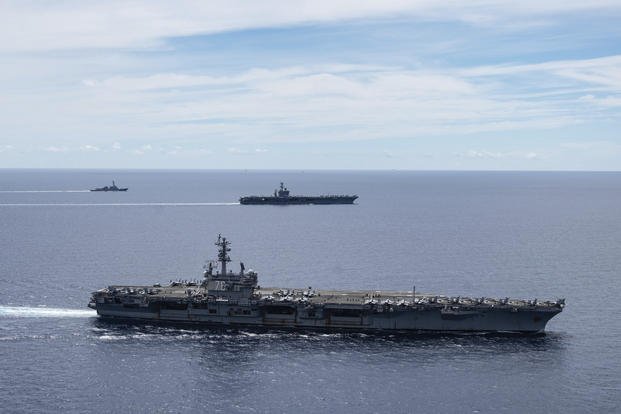
In a dramatic series of events in the South China Sea, five service members aboard two U.S. Navy aircraft survived after their helicopters crashed within minutes of each other. This incident has raised questions about the conditions that led to such an occurrence.
According to a U.S. Pacific Fleet spokesperson, the first accident involved an MH-60R Sea Hawk helicopter from Helicopter Maritime Strike Squadron 73, which went down at approximately 2:45 p.m. local time. The aircraft was operating from the USS Nimitz (CVN 68) when it crashed, prompting a swift response from search and rescue teams of Carrier Strike Group 11 who successfully retrieved all three crew members from the water.
Merely half an hour later, an F/A-18F Super Hornet from Strike Fighter Squadron 22 also crashed. Fortunately, both aviators managed to eject safely and were promptly rescued by recovery crews on the carrier.
In a statement, the Pacific Fleet assured that “all personnel involved are safe and in stable condition.” The causes of the incidents are still being examined thoroughly by investigators.

Possible Fuel Issue?
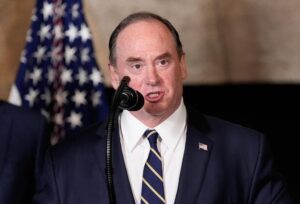
While en route to a regional summit in Tokyo, Japan, President Donald Trump suggested to reporters aboard Air Force One that “bad fuel” might be behind the crashes. However, the Pacific Fleet has refrained from commenting on the President’s speculation, directing inquiries to the White House, which has yet to respond.
As investigations continue, it remains unclear if the two crashes are linked. Meanwhile, flight operations on the USS Nimitz persist. The carrier, part of Carrier Strike Group 11, is currently stationed in the South China Sea, a region known for frequent military interactions between U.S. and Chinese forces.