As the remnants of Typhoon Halong surged into western Alaska in October 2025, the storm unleashed devastation with hurricane-force winds and unprecedented coastal flooding. The Yukon-Kuskokwim Delta bore the brunt of the disaster, where entire homes were uprooted, utilities collapsed, and hundreds found themselves stranded. In response, Alaska’s government, the National Guard, and federal agencies orchestrated a massive airlift, one of the largest in the state’s history, to relocate displaced residents to safety.
The Vast Evacuation Effort
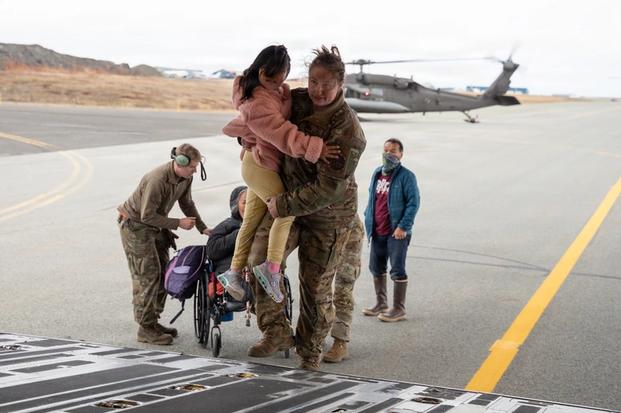
The coastal villages of Kipnuk and Kwigillingok were severely impacted, witnessing water levels rise over six feet above normal, setting new flood records. Submerged neighborhoods and uninhabitable homes prompted an emergency airlift operation. Over two days, more than 600 residents were evacuated to Anchorage and Bethel using military and chartered aircraft, including the Alaska Air National Guard C-17 Globemaster III. According to state emergency officials, this operation was among the largest mass air evacuations in Alaska’s history.
Challenges in Airlifting and Providing Aid
The mission’s logistics were daunting as numerous airstrips were either flooded or debris-covered, forcing pilots to navigate short gravel runways with limited visibility. Initial evacuations involved Alaska Army National Guard helicopters and smaller fixed-wing aircraft transporting evacuees to regional hubs such as Bethel. From there, the C-17 Globemaster III planes carried larger groups to Anchorage. Joint Base Elmendorf-Richardson had prepared temporary shelters with the assistance of the American Red Cross. Each flight also delivered crucial supplies like food, fuel, medical kits, and water filtration systems to isolated communities. The coordination among military units, state agencies, and volunteers highlighted the rapid-response capability under severe conditions.
Federal and State Collaboration
The Federal Emergency Management Agency (FEMA) activated a regional coordination center and sent personnel to support Alaska’s emergency response. FEMA’s integration with state operations included embedding specialists at the State Emergency Operations Center in Anchorage. The state’s transportation department used unmanned-aircraft teams to assess damage and collect data in affected areas. Shelter operations were established with state and local partners, offering both large communal shelters and non-congregate options. Following a major disaster declaration approved by President Trump, FEMA began coordinating long-term recovery efforts with Alaska’s governor’s office alongside the American Red Cross, which deployed hundreds of volunteers.

Impact on Communities
Over 1,500 individuals, primarily Indigenous Alaskans, were displaced along the western coast. The storm claimed one life, and several residents were reported missing. The National Weather Service recorded wind gusts exceeding 100 miles per hour, marking Halong’s surge as the most destructive since the 1970s. As the airlifts concluded, efforts shifted towards rebuilding. Temporary shelters in Anchorage and Bethel continued to house evacuees while federal teams assessed long-term recovery needs.
Transitioning from Rescue to Recovery
Governor Mike Dunleavy’s request for federal assistance was swiftly approved, releasing funds for reconstruction. Preliminary assessments indicated that over 90% of structures in Kipnuk and about 35% in Kwigillingok were destroyed. Relief efforts included deploying engineers to restore critical infrastructure before winter’s onset.

A Test of Readiness
The airlift operation during Typhoon Halong was not just a rescue mission for Alaska’s National Guard but a testament to large-scale air mobility and coordination capabilities in remote regions. This event underscored the potential risks posed by severe storms to isolated communities in the Yukon-Kuskokwim Delta. While the path to rebuilding is long, the airlift demonstrated the state’s preparedness and ability to respond effectively when the stakes are highest.