The presence of the U.S. military in the Caribbean has intensified, with a significant deployment of Marines and naval forces in response to mounting tensions with Venezuela. This military buildup is part of a larger strategy by President Trump’s administration to exert pressure on Nicolás Maduro’s regime, potentially leading to direct intervention, as highlighted in a recent report.
Heightened Military Presence
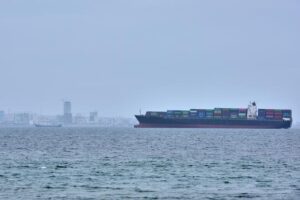
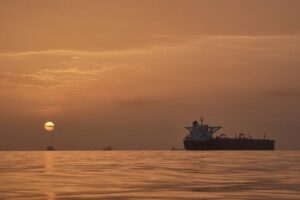
The U.S. military has concentrated its forces near the Venezuelan coastline. A notable addition is the presence of the USS Gerald Ford aircraft carrier strike group, augmented by B-1B bombers conducting operations near Venezuelan airspace. The USS Gravely’s docking in Trinidad and Tobago for joint exercises has further strained relations, leading Venezuela to sever diplomatic ties with the island nation. These actions are consistent with President Trump’s stance on the Maduro government, as he has previously emphasized the need to address the situation in Venezuela, which has drawn criticisms for possibly escalating the conflict.
The U.S. Marines have a history of collaboration with Trinidad and Tobago, participating in exercises such as TRADEWINDS 2017 and 2025 to enhance regional security. An Operations Officer noted, “The island nation provides a perfect opportunity to train with multinational partners in SOUTHCOM,” underlining the strategic importance of such partnerships.
Enhanced Training Programs
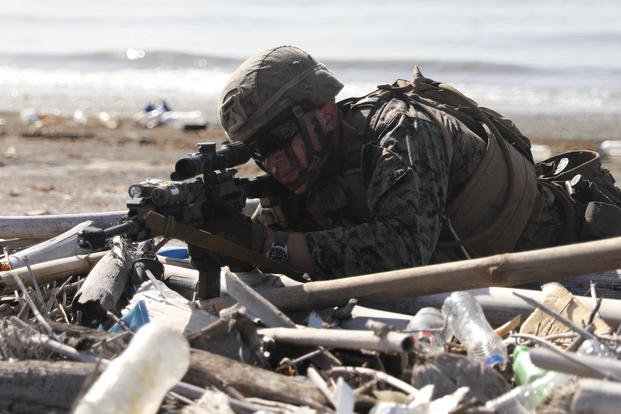
U.S. Marines have ramped up their training programs, particularly in environments that mirror Venezuela’s landscape. The Jungle Warfare Training Center in Okinawa provides intensive exercises in navigation and survival, crucial for the humid and forested conditions in Venezuela. Additionally, amphibious assault exercises, part of the UNITAS exercises, prepare the Marines for potential operations involving beach landings and river crossings, reflecting the challenges they might face in a Venezuelan engagement.
Operational Strategy
The Marines play a pivotal role in any potential operations concerning Venezuela. With a significant number of troops and the capacity for rapid deployment, they are positioned to execute swift strikes on critical targets. Their integration with other military units, such as SOCOM and the Air Force, enhances their ability to counter Venezuelan defenses, which include Russian-supplied systems. The strategic objective remains to safeguard U.S. interests against narco-terrorism threats.
A potential conflict scenario might involve initial blockades or airstrikes, followed by Marine ground operations. Venezuela’s mobilization of 125,000 troops presents a challenge, but U.S. technological and training superiority is seen as a decisive advantage. The presence of private military contractors like the Wagner Group adds complexity, potentially leading to guerrilla warfare scenarios that test Marine mobility and adaptability.
Challenges and Preparedness
Logistical challenges present significant hurdles for prolonged operations, particularly regarding supply lines across the Caribbean. Recent operations against narcotics trafficking have demonstrated the U.S. military’s precision and effectiveness in international waters. Ongoing training incorporates insights from conflicts in Ukraine and the Middle East, focusing on countering drones and asymmetric threats, with units like the 22nd Marine Expeditionary Unit ready for immediate deployment.
Future Implications
As diplomatic tensions continue to rise, the U.S. Marines remain at the forefront of efforts to maintain regional stability. Their preparedness may serve as a deterrent to further conflict, but if hostilities do occur, their capabilities could prove decisive in achieving a swift resolution.