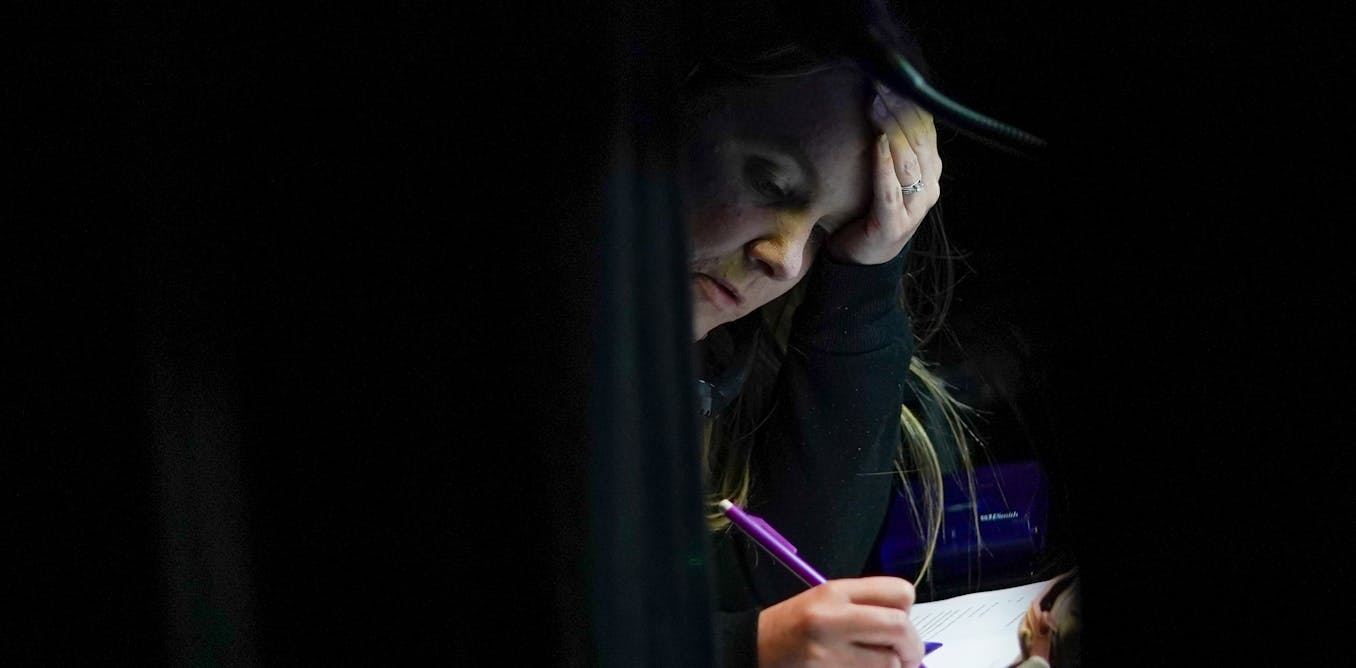
“Being an artist is not viewed as a real job.”
This sentiment, often shared by many in the artistic community, highlights a longstanding issue: the struggle for artists to gain recognition and financial stability in their careers. Despite the cultural value of art, those who create it frequently face systemic challenges that undermine the legitimacy of their work.
In my research on how artists in the United States earn a living, I’ve observed a troubling trend. While creativity is celebrated, the support system for those who produce art is lacking, treating their professional pursuits as personal risks rather than viable careers. As one artist expressed, “I wish this country supported artists. Look how good it could be if culture was celebrated.”
For many artists, pursuing a creative career comes with numerous obstacles such as inconsistent income, insufficient benefits, and a lack of protection from economic or technological disruptions.
Some nations are taking steps to address these issues. South Korea, for example, enacted its Artist Welfare Act in 2011, later expanding it in 2022. This legislation aims to stabilize artists’ incomes, provide insurance, and guard against unfair contractual terms.
These initiatives illustrate that the precarious nature of artistic careers is a product of policy decisions rather than an unavoidable reality. In my book, “Artists at Work: Rethinking Policy for Artistic Careers,” I explore U.S. labor data to argue that with better policies, the risks associated with creative careers can be mitigated.
A Fragile Profession
By 2019, approximately 2.4 million Americans identified as artists, representing around 1% of the workforce, according to the U.S. Bureau of Labor Statistics. This figure might be understated, as many artists juggle multiple jobs to support their passion.
Before the COVID-19 pandemic, the number of employed artists was already declining. From 2017 to 2019, employment in arts-related fields decreased from 2.48 million to 2.4 million, indicating reduced opportunities and growing instability.
The pandemic exacerbated these challenges, with the arts economy contracting by 6.4% in 2020, nearly double the overall U.S. economic decline, resulting in the loss of over 600,000 jobs.
Health insurance is a notable concern. While most artists have coverage, around 20% purchase it independently, compared to about 10% of the general workforce. The Affordable Care Act improved accessibility, but potential subsidy expirations threaten this progress, potentially causing premiums to more than double for some.
Despite their education, with about two-thirds holding at least a bachelor’s degree, artists’ earnings do not increase proportionally with their education level. Even those with advanced degrees face lower wages and greater income volatility compared to other highly educated professionals.
Artists often manage multiple roles. In 2019, about 8% held more than one job, compared to 5% of all workers, and approximately 30% worked part-time. Many blend teaching, freelance, and contract gigs to achieve near full-time employment.
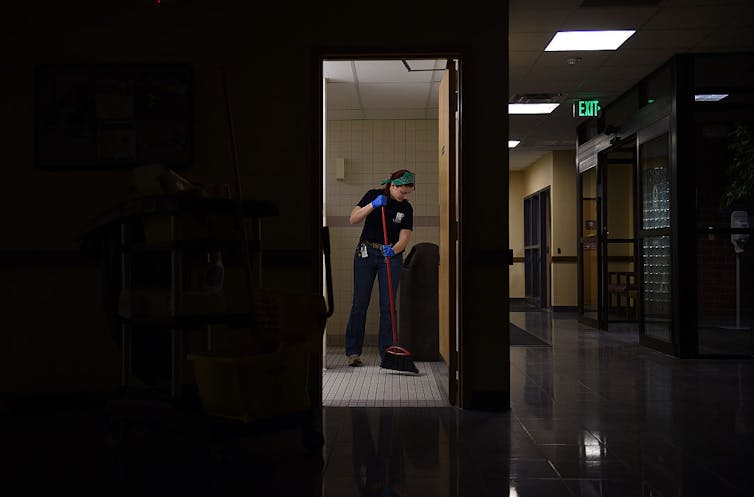
Astrid Riecken/The Washington Post via Getty Images
Self-employment is common among artists, not out of a desire for entrepreneurship but because it’s often the only viable option. Key sectors employing artists include professional services, arts, entertainment, information, and retail.
Existing Labor Laws Fall Short
The U.S. labor system typically links benefits like health insurance, paid leave, and retirement savings to full-time employment. However, this paradigm does not fit the realities of most artists’ work lives, which depend on gigs, contracts, and project-based fees.
Artists often lack access to unemployment insurance since their employers don’t contribute to such funds for freelancers or contractors. Copyright laws, established with publishers in mind, fail to provide visual artists with resale royalties. The laws are being contested by artists and record labels who argue that their works are improperly used to train AI models. Meanwhile, the tax code allows collectors to deduct the full value of donated art but restricts artists to deducting only material costs.
Historically, arts funding in the U.S. has been sporadic, with programs like the Federal Art Project and the National Endowment for the Arts often cut during economic downturns.
This pattern reflects a century of celebrating art while neglecting artists, denying them the stability and protection provided to other professions.
Reimagining Labor Policy for Artists
The disconnect in U.S. labor policy stems from a flawed perspective. Artists often must demonstrate their worth by showing they contribute to tourism, property values, or innovation. This approach reduces their creative work to a means for external objectives.
A more effective policy framework would recognize the right to pursue creative work. The freedom to choose one’s occupation and earn a living from meaningful work is a core American value. However, the current workforce policies make this difficult for many artists.
Policies should integrate the arts into the national labor system. Benefits like health care and retirement savings could be made portable, following the worker instead of the employer. Legal protections against delayed payments, as seen in New York’s Freelance Isn’t Free Act, could be expanded. Tax and copyright laws should allow artists to profit from their work, similar to investors and corporations. European “droit de suite” laws, which provide artists with royalties on resales, offer a model.
By aligning policies with the realities of artists’ work—driven by projects and contracts—it would become possible for more individuals to sustain careers in the arts. This approach would also foster inclusivity, drawing talent from diverse social backgrounds.
Ultimately, policy reform requires a shift in perspective. Recognizing artists as workers with fundamental rights, rather than economic tools, enriches both culture and democracy. The key issue is not whether artists deserve support because their work benefits others but whether everyone should have the opportunity to pursue a meaningful career.