The Bold Approach of Trump’s Foreign Policy: Strength or Troubling Tactics?
President Donald Trump, once an advocate for peace, is taking an unconventional route in his foreign policy endeavors during his second term. Originally inspired by Ronald Reagan’s “peace through strength” mantra, Trump’s strategy now includes aggressive actions and strong rhetoric aimed at various global issues.
Trump’s administration, while echoing Reagan’s philosophy, has adopted a more aggressive stance. This includes military actions and a confident approach in international relations. University of Tennessee scholar Andrew Busch noted, “There are a lot of people who would have given Reagan a not-passing grade around 1983 or so,” drawing parallels to Trump’s current situation.
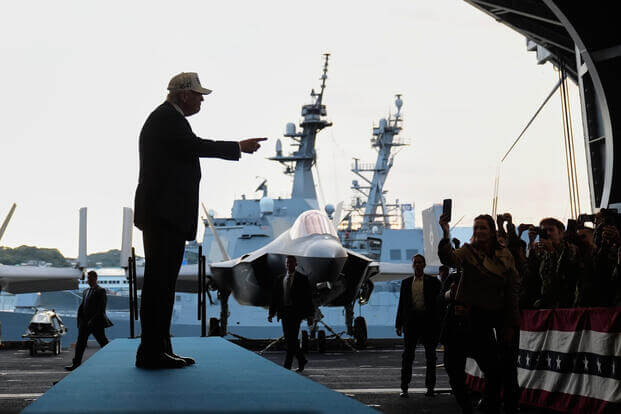
During his recent trip to Asia, Trump made waves by canceling trade discussions with Canada and imposing new tariffs in response to a controversial ad. Meanwhile, the U.S. Navy engaged in strikes against suspected drug vessels in the Pacific, illustrating a shift in military focus towards Latin America.
Trump’s provocative announcement on potentially resuming nuclear weapons testing further stirred global tension. Although he remained non-committal on the specifics, his comments implied a readiness to reconsider long-standing U.S. policies.
Defense Secretary Pete Hegseth reinforced the administration’s stance, saying, “America will ensure that we have the strongest, most capable nuclear arsenal, so that we maintain peace through strength.”
Additionally, Trump’s stern warning to Nigeria over religious persecution has heightened international scrutiny. His social media post threatened military intervention if the Nigerian government fails to protect Christians, a move that Nigerian President Bola Ahmed Tinubu contested as misrepresentative of his country’s religious climate.
While Trump’s tactics have drawn mixed reactions, they underscore his administration’s preference for assertive measures over diplomatic consensus. Former ambassador Ian Kelly criticized the approach, highlighting the absence of consultation with Congress and traditional allies.
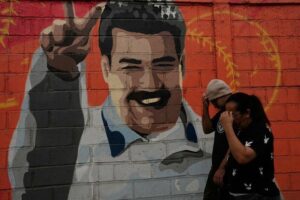
Despite these bold strategies, Trump’s actions in the Caribbean against Venezuelan drug operations seem to be achieving results without significant political fallout at home. However, experts like Justin Logan caution against potential pitfalls reminiscent of the “endless wars” in the Middle East.
As Trump’s foreign policy continues to evolve, the balance between strength and diplomacy remains a central question for international observers and allies alike.