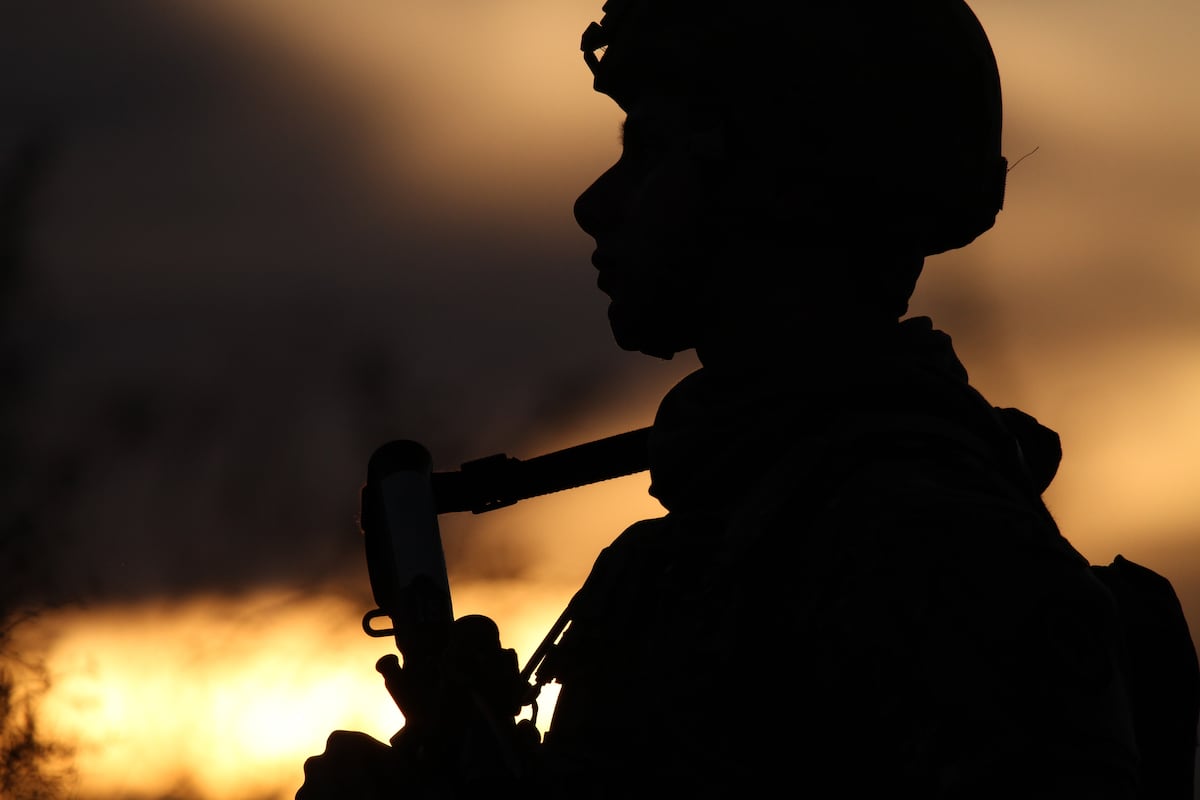
The U.S. Army is implementing significant changes to its protocol for handling cases of missing soldiers, aiming to improve response times and coordination. Under the new directive issued by Army Secretary Dan Driscoll, commanders are now required to act swiftly, classifying a soldier as “absent-unknown” within three hours and notifying the family within eight hours of the disappearance.
This updated policy marks a shift from previous procedures, which were often criticized for being sluggish and inconsistent. Commanders now have a 48-hour window to determine the circumstances surrounding a soldier’s disappearance, whether voluntary or potentially more serious. During this period, they must notify local Army law enforcement, enter the soldier into the National Crime Information Center database, and collaborate with local civilian police by issuing a “be on the lookout” notice.
Should the soldier remain unaccounted for after two days, a decision must be made based on a “preponderance of evidence” to either declare the soldier AWOL (Absent Without Authorized Leave) or missing under the DUSTWUN (Duty Status – Whereabouts Unknown) casualty code.
The policy further mandates that any soldier who poses a risk of self-harm and is not found within the initial 48 hours be reported as missing. Previously, commanders had up to 24 hours to account for a soldier before declaring them AWOL unless there was clear evidence of a non-voluntary disappearance.
This directive follows a history of criticism, particularly highlighted by the case of Army Spc. Vanessa Guillén. Guillén’s disappearance from a Texas base in 2020 revealed significant shortcomings in the Army’s response to missing soldiers, sparking public outrage and leading to an independent review. The report identified “inaction in critical areas” and described a systemic “paradigm of benign neglect.”
Natalie Khawam, the attorney representing Guillén’s family, praised the new policy but expressed regret that it wasn’t in place during Guillén’s disappearance. “If they had this policy in place at the time Vanessa went missing, the Army would have quickly contacted the police and actually started searching for her themselves,” she told Military Times. While Khawam acknowledged that the outcome might not have changed, she noted, “You never know, it could have prevented her death.”