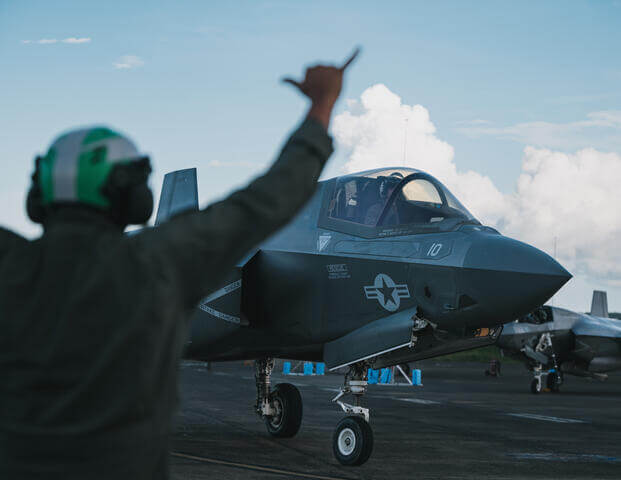
The U.S. military presence in the Caribbean has seen a significant resurgence with the reactivation of a long-dormant naval base in Puerto Rico. This development comes amid rising tensions with Venezuela, leading to the most extensive American military deployment in the region in decades.
Roosevelt Roads Naval Station in Ceiba, Puerto Rico, which had been out of service since 2004, resumed operations in September. The base now hosts F-35B stealth fighters, Marine Corps helicopters, and heavy transport aircraft on its 11,000-foot runway, strategically situated about 500 miles from Venezuela.
Strategic Use of Roosevelt Roads Naval Station
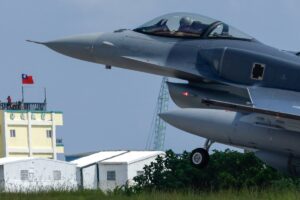
Satellite images and photos from mid-September reveal the presence of F-35B fighters and other military aircraft at the base. Construction work, including repaving taxiways, is underway as part of the site’s redevelopment into José Aponte de la Torre Airport.
F-35s were confirmed to have arrived on September 14, with open-source aviation experts identifying them via photographs. Reuters recorded five F-35s on the former Navy ramp.
The base’s closure 21 years ago stemmed from protests against military exercises on nearby Vieques Island. Despite various redevelopment proposals, the 8,650-acre site remained largely unused. Recently, Puerto Rican state senators Nitza Morán Trinidad and Carmelo Ríos Santiago have pushed for its repurposing for national security.
“For decades, Roosevelt Roads represented an economic engine for the eastern region of the island,” Morán Trinidad stated, according to the San Juan Daily Star. “Today, we have a responsibility to seriously and strategically consider the possibility of its facilities once again playing a key role — not only in the defense of the Caribbean and the Americas but also in the economic revitalization of Ceiba and the surrounding municipalities.”
Deployment of USS Gerald R. Ford Carrier Strike Group
On October 24, the Pentagon announced the deployment of the USS Gerald R. Ford and its carrier strike group from the Mediterranean to the Caribbean. According to Pentagon spokesman Sean Parnell, this strengthened U.S. presence aims to enhance the detection, monitoring, and disruption of illicit activities threatening U.S. security.
The Ford, the largest aircraft carrier in the world, carries a crew of approximately 4,600 and hosts nine squadrons of aircraft. It was previously stationed in Split, Croatia, when the order for deployment was issued.
Intensified Measures Against Drug Trafficking
Since early September, U.S. forces have targeted at least 11 vessels suspected of drug trafficking, resulting in over 50 fatalities. The most recent strike occurred on November 2, with six deaths reported off the coast of Venezuela.
President Trump, on October 1, informed Congress of a “non-international armed conflict” with drug cartels, which has led to diplomatic tensions with Venezuela and Colombia. Colombian President Gustavo Petro criticized the operations, leading to a verbal exchange with Trump.
Military Exercises in Trinidad and Tobago
The USS Gravely conducted joint military exercises with Trinidad and Tobago’s local forces, docking in Port of Spain from October 26-30. These exercises, supported by Trinidad and Tobago’s Prime Minister Kamla Persad-Bissessar, contrast with the Caribbean Community’s call for diplomatic dialogue.
Venezuelan Military Mobilization
Reacting to the U.S. military buildup, Venezuela has heightened its military alert. Videos released by the Venezuelan Air Force show Su-30MK2 fighters armed with Russian-made missiles. Reports indicate that President Maduro has sought military assistance from Russia, China, and Iran.
Despite its challenges, Venezuela’s military consists of over 100,000 regular troops and additional militia, posing a considerable threat to U.S. forces in the region.
Comprehensive U.S. Military Buildup
The U.S. has stationed over 10,000 personnel in the Caribbean, utilizing a significant portion of its naval fleet. The deployment includes eight warships, a nuclear-powered submarine, F-35 fighter squadrons, and other specialized aircraft.
President Trump confirmed the authorization of CIA operations inside Venezuela and contemplated potential land strikes, although he later backtracked, stating that war with Venezuela is not anticipated.
While the U.S. administration maintains that the military buildup focuses on counter-narcotics operations, the presence of advanced military assets like F-35s provides strategic options for a range of potential actions.