Debate Over U.S. Nuclear Testing Resumption Intensifies
Recent discussions have reignited around the potential resumption of U.S. nuclear testing, following a sudden social media announcement by former President Donald Trump. This announcement has stirred debate among nuclear experts and policymakers, raising questions about the implications for international nonproliferation efforts and national security.
On October 29, Trump declared via TruthSocial, “Because of other countries testing programs, I have instructed the Department of War to start testing our Nuclear Weapons on an equal basis.” This statement has prompted concerns about ending the 33-year moratorium on nuclear testing in the United States.
The Pentagon, in response, referred to an October 31 video featuring Defense Secretary Pete Hegseth. In this video, Hegseth emphasized the importance of maintaining a credible nuclear deterrent, suggesting that resuming testing could be a responsible approach to ensuring the effectiveness of the U.S. nuclear arsenal.
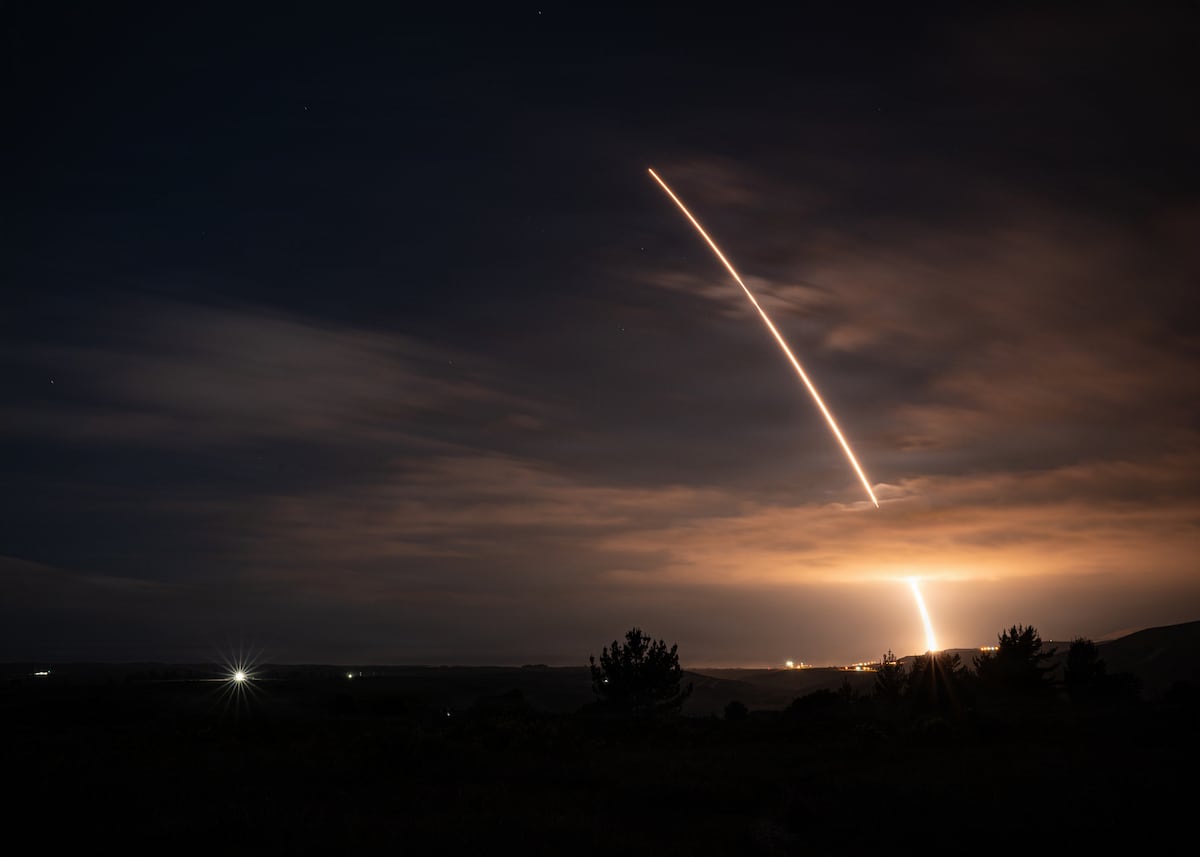
Energy Secretary Chris Wright, in an interview on Fox News, clarified that ongoing tests focus on subsystems rather than full nuclear detonations. “The tests we’re talking about right now are system tests,” Wright explained, differentiating these from nuclear explosions.
Historical Context and Current Capabilities
The United States has conducted over 1,000 nuclear tests, with the last occurring in 1992. Since then, advancements in simulation technology have allowed the U.S. to rely on computer models to verify the reliability of its nuclear stockpile. Facilities like the National Ignition Facility use sophisticated laser systems to replicate conditions of a nuclear explosion without actual detonations.
Experts, including John Erath from the Center for Arms Control and Non-Proliferation, argue that these capabilities negate the need for resuming full-scale testing. According to Erath, “We had all the data necessary to know how nuclear weapons work, to verify that U.S. nuclear weapons would work, and other people didn’t.”
International Implications
The discussion of resuming nuclear testing has raised international concerns. Trump’s claims of clandestine tests by China and Russia were met with denials, and Russian President Vladimir Putin has ordered an analysis of U.S. intentions regarding nuclear testing.
Hans Kristensen from the Federation of American Scientists highlighted the potential global repercussions of breaking the testing moratorium. “For countries like China, India, and Pakistan, they have real interest in conducting more nuclear tests,” said Kristensen, suggesting that resuming U.S. tests could trigger a global chain reaction.
Challenges and Costs
Reviving nuclear testing would come with significant logistical and financial challenges. The former Nevada Test Site, now known as the Nevada National Security Site, would require substantial updates to accommodate modern testing needs. According to Erath, preparing the site could cost over a billion dollars and take considerable time to achieve readiness.
Experts caution that the diplomatic fallout and potential erosion of global nonproliferation norms could far outweigh any perceived benefits. Kristensen noted that Trump’s announcement led to a global outcry, demonstrating the sensitivity surrounding the nuclear testing issue.