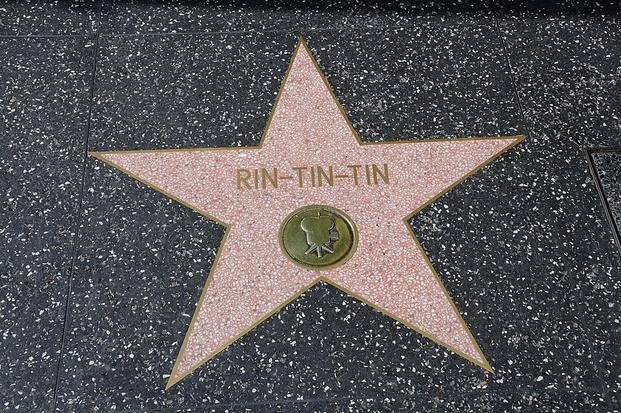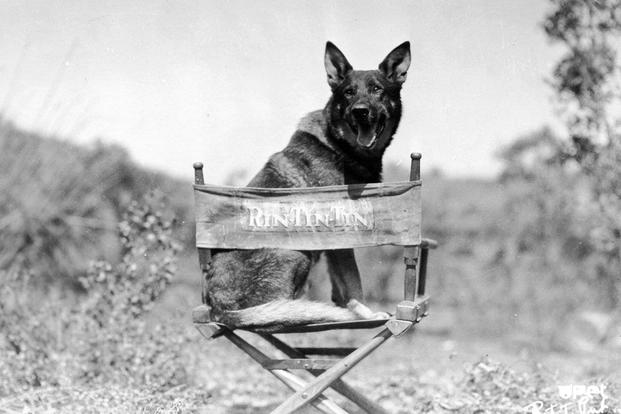
Amidst the devastation of World War I, a remarkable story unfolded that would eventually shape Hollywood’s history. In the ruins of a German military camp in Flirey, France, Corporal Lee Duncan made a discovery that would transcend the battlefield and leave an indelible mark on the film industry.
Discovery in War-torn France
In 1918, while surveying the aftermath of the Battle of Saint-Mihiel, Duncan stumbled upon a kennel housing German military dogs. Among the wreckage, he found a starving German shepherd mother and her five puppies. Little did he know, one of these puppies, named Rin Tin Tin, would rise to fame and save Warner Bros. from financial collapse.
The Journey to Hollywood
Raised in a challenging environment, Duncan seized the chance to serve in the military during WWI. He became part of the U.S. Army Air Service’s 135th Aero Squadron. After rescuing the dogs, Duncan managed to bring Rin Tin Tin and another puppy, Nanette, back to the United States. Tragically, Nanette succumbed to pneumonia, but Duncan was given another puppy, Nanette II, from a breeder in New York.
Rin Tin Tin’s Rise to Stardom
Once in Los Angeles, Duncan trained Rin Tin Tin, who exhibited exceptional intelligence and athleticism. The dog’s ability to perform remarkable feats, such as scaling high walls, attracted attention at dog shows. Despite a setback when Rin Tin Tin broke his paw, Duncan’s dedication helped the dog recover.
A chance filming of Rin Tin Tin’s performance led to the suggestion that he should enter the movie business. Duncan was captivated by the idea, saying, “I was so excited over the film idea that I found myself thinking of it night and day.”
A Canine Hero Saves a Studio
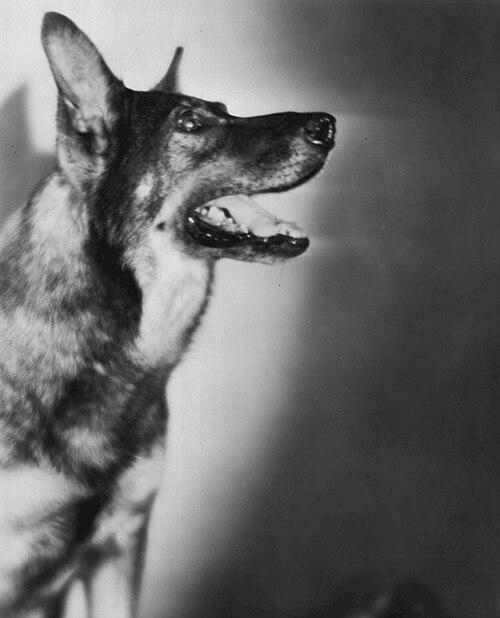
In 1922, Rin Tin Tin caught the attention of Warner Bros. while a wolf proved unmanageable on set. Rin Tin Tin’s performance impressed the crew, leading to a contract with the studio. His film “Where the North Begins” was a financial triumph, earning $352,000 and rescuing Warner Bros. from the brink of bankruptcy.
Jack Warner, co-founder of the studio, highlighted their struggles, saying they had a continual “lack of money, popular stars, and story ideas.” Rin Tin Tin’s success provided a much-needed lifeline.
End of an Era and Legacy
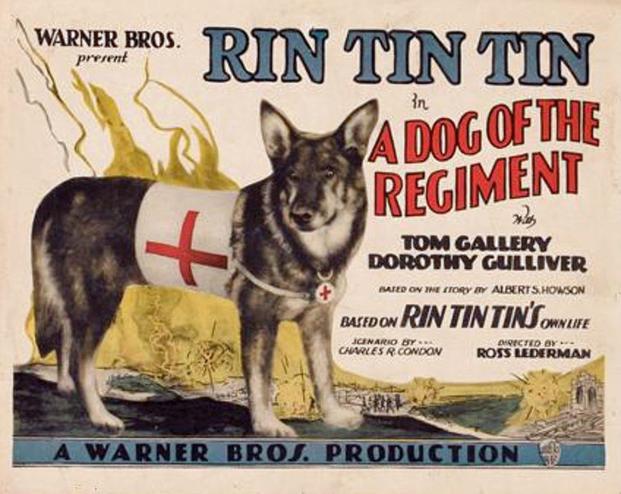
With the advent of talking pictures in 1927, Rin Tin Tin’s silent film appeal waned. Though he made a final appearance in 1931, his illustrious career came to a close. Rin Tin Tin passed away in 1932, receiving widespread media coverage, including a special news bulletin.
The legacy of Rin Tin Tin continued through his descendants, who have carried on his name and spirit. Today, a 12th-generation Rin Tin Tin serves as a spokesperson for the American Humane Association, promoting responsible pet ownership and continuing the lineage of one of America’s most beloved animal stars.