New Milestone: U.S. Successfully Tests B61-12 Nuclear Bombs with F-35A
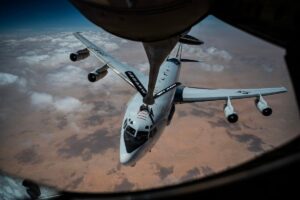
The United States has reached a pivotal moment in military aviation and nuclear weapons testing. In August, the Department of Energy and the Air Force successfully conducted the first tests involving the dropping of unarmed B61-12 nuclear gravity bombs from an F-35A fighter jet. This significant achievement underscores the reliability and readiness of the aircraft and its crew for potential future missions.
Sandia National Laboratories, responsible for overseeing nuclear weapons, announced this week that the tests were carried out in collaboration with the National Nuclear Security Administration (NNSA). From August 19 to 21, multiple flight tests took place at the Tonopah Test Range in Nevada, with support from Hill Air Force Base in Utah.
This series of tests marks the first time the B61-12 has been tested using an F-35 aircraft. Sandia Laboratories noted that these tests are a crucial step in ensuring that the aircraft, its crew, and the weapons function appropriately in operational scenarios. The B61-12 used in these tests were joint test assemblies, mirroring the operational bombs but lacking the nuclear warheads.
Jeffrey Boyd, Sandia’s surveillance lead for the B61-12 and -13 bombs, praised the efforts: “These B61-12 F-35A stockpile flight tests and captive carry flight test were the capstone accomplishment of a tremendous amount of planning and effort by those who were involved across not only Sandia, but many other agencies.”
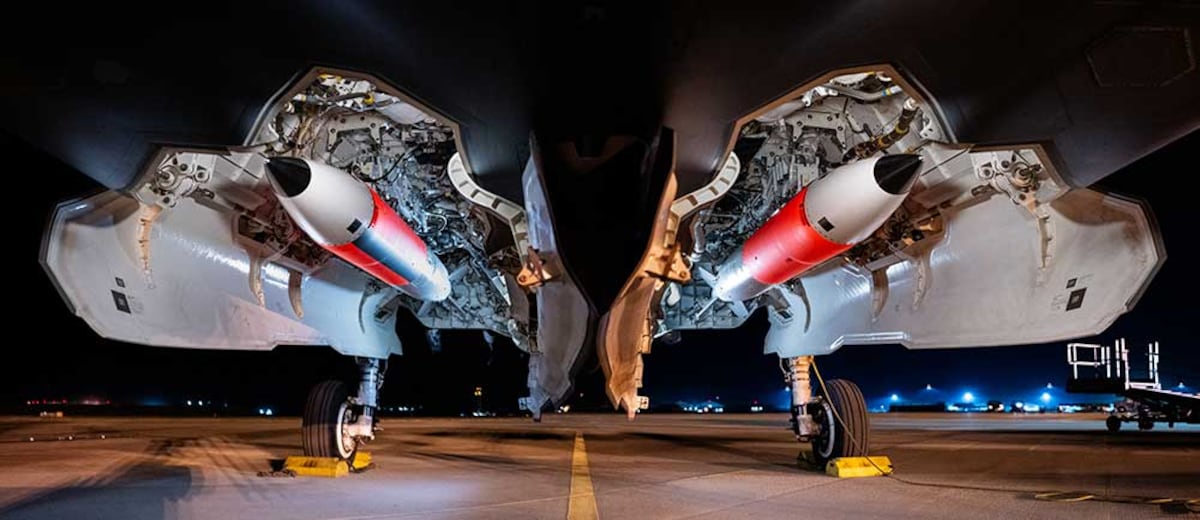
In addition to these tests, the teams conducted the first thermal preconditioning of the test assembly before F-35 deployment, ensuring the bomb’s functionality under real-world conditions. Visual documentation, including video and photos, shows personnel at Hill Air Force Base loading the bombs onto the F-35, which then proceeded to the Tonopah Test Range.
The B61 family, a staple of U.S. and NATO defense for over 50 years, recently saw a significant upgrade. In December, the NNSA completed a life extension program for the B61-12, extending its service life by more than two decades through refurbishment and replacement of various components.
This upgrade replaced older models, such as the B61-3, -4, and -7, and marked the first major modernization of an Air Force nuclear warhead in over 30 years. The Air Force Nuclear Weapons Center spearheaded this project, developing a new Boeing-designed guided tail kit and integrating it with several aircraft, including the B-2 Spirit bomber and various fighter jets like the F-15E, F-16, and F-35.
Brian Adkins, the manager at Tonopah Test Range, highlighted the success of the tests over two days, evaluating three test assets. These tests were conducted well before former President Donald Trump’s social media remarks about resuming nuclear weapon testing, which stirred public concern about potentially ending the U.S.’s longstanding moratorium on nuclear test explosions.
Energy Secretary Chris Wright reassured in an early November interview that while there are plans for tests on the subsystems of new nuclear weapons, these won’t lead to full nuclear detonations.