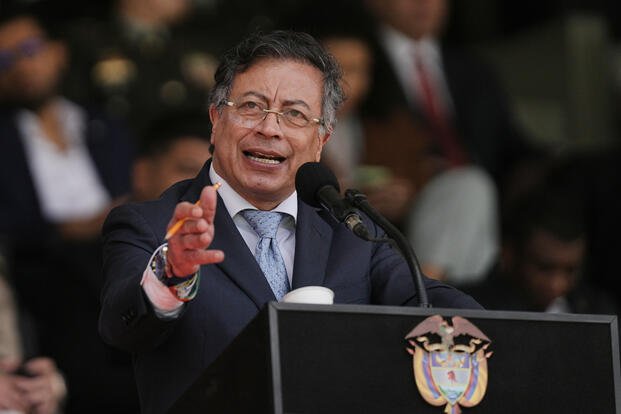
The ongoing tensions between the United States and Colombia have taken another turn with the recent exchange of criticisms between the two nations’ leaders. While the U.S. continues its assertive stance against narcotics trafficking in the Caribbean, Colombian President Gustavo Petro has voiced strong objections to these military actions.
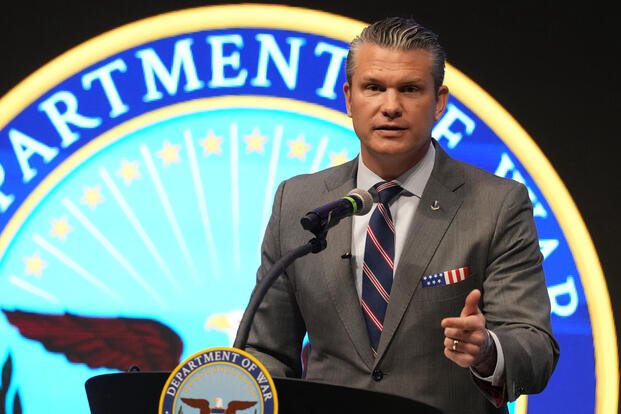
Since September, U.S. military forces have targeted 22 vessels, resulting in at least 83 fatalities. This action has drawn significant attention, with U.S. President Donald Trump and Defense Secretary Pete Hegseth defending these operations as necessary measures against drug traffickers attempting to smuggle illegal substances into the U.S. mainland.
‘Despotic’ Behavior
President Gustavo Petro recently took to social media to assert that Latin American nations, including Mexico and Colombia, mutual respect each other. He suggested that a multinational dialogue including the U.S., China, Mexico, Colombia, Ecuador, Chile, and Australia is needed to address issues such as drug trafficking and illegal trades.
Petro has emphasized the importance of tackling fentanyl precursors, cocaine, contraband, and weapons collectively, warning that current U.S. strategies might inadvertently bolster illegal networks. He reiterated his proposal for a comprehensive international meeting.
White House Response
In a retort, the White House defended its military actions, attributing the persistence of drug cartels to what it termed as Petro’s ineffective policies. “Despite billions of U.S. taxpayer dollars invested in Colombia’s counterdrug efforts, cartels are thriving under Petro’s failed policies,” a White House official told Military.com. The official further criticized President Petro’s opposition to President Trump’s operations.
Major Carrier in Place
The deployment of the USS Gerald R. Ford, the world’s largest aircraft carrier, to the Caribbean under U.S. Southern Command has heightened concerns about military escalation. Adm. Alvin Holsey, commander of SOUTHCOM, stated, “Through unwavering commitment and the precise use of our forces, we stand ready to combat the transnational threats that seek to destabilize our region.”
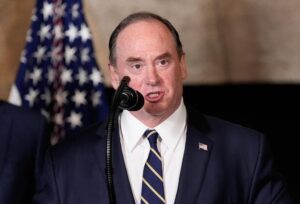
This move comes amid discussions on the legality and necessity of increased military actions in the region. At a conference earlier this year, then-acting Deputy Attorney General Emil Bove remarked on the potentially excessive nature of maritime interdictions, suggesting that some operations might not require Congressional approval.