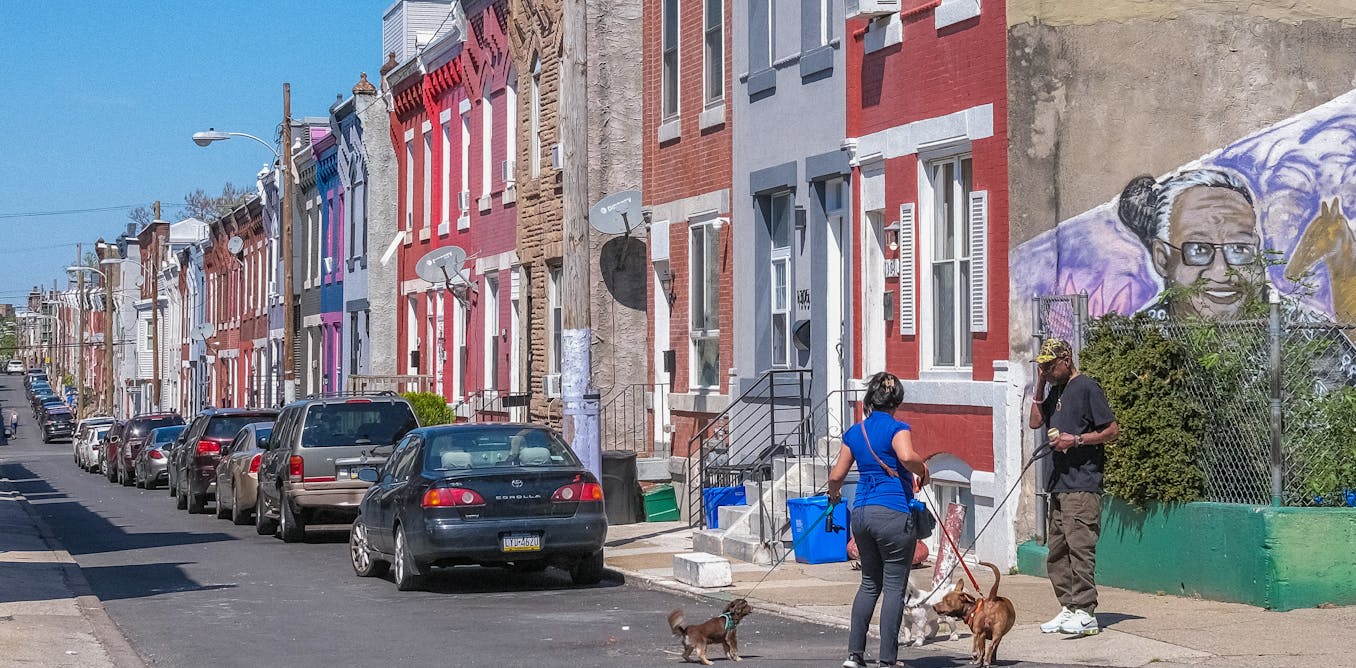
Homeownership remains a cornerstone for many families aiming to build and pass on wealth. Yet, a troubling pattern has emerged in cities like Philadelphia, where homes in Black and Hispanic neighborhoods are often appraised at values lower than comparable homes in predominantly white areas. This discrepancy, known as home appraisal bias, hinders wealth accumulation for these communities.
Appraisals, which are expert assessments of a property’s value, play a crucial role in the mortgage process. They influence the approval and cost of a mortgage, and inaccuracies can lead to unjust financial burdens, such as the requirement for private mortgage insurance if the borrowed amount exceeds 80% of the home’s value. Ensuring fair appraisals is essential for equitable access to homeownership and refinancing opportunities.
We are researchers with extensive experience in urban studies and housing policy, currently advising Philadelphia Mayor Cherelle Parker on strategies to combat racial bias in appraisals within the city.
Historical Context and Continuing Challenges
The Fair Housing Act of 1968, signed into law by President Lyndon Johnson, aimed to eliminate housing discrimination based on race, color, religion, or national origin. Despite this, biased practices persist, as evidenced by recent cases where homeowners have resorted to “whitewashing” their homes to receive fair appraisals. This involves concealing evidence of Black ownership to obtain a higher appraisal value, highlighting ongoing racial disparities in home valuation.
Notably, a significant portion of appraisers, 94%, are white, which may contribute to biased outcomes. This bias not only violates the Fair Housing Act but also exacerbates racial wealth gaps.
Widespread Impact Across the Nation
Research indicates that homes in predominantly Black and brown neighborhoods across the U.S. are consistently undervalued compared to similar homes in white neighborhoods. This trend is part of a broader pattern involving historic redlining and ongoing discriminatory practices. Analyzing the frequency of appraisals falling below agreed sale prices in different neighborhoods can reveal underlying biases.
Data shows a higher incidence of appraisals below sale prices in nonwhite neighborhoods without justifiable cause, underscoring the systemic nature of appraisal bias.
Philadelphia’s Unique Struggles
Philadelphia is not immune to these issues, as demonstrated by our analysis using the Federal Housing Finance Agency’s uniform appraisal dataset. This dataset, however, covers limited areas due to privacy concerns, prompting us to utilize additional data from the Home Mortgage Disclosure Act. Our findings reveal that nonwhite neighborhoods and homeowners are disproportionately affected by appraisal-based denials for cash-out refinance mortgages.
These insights, detailed in a report for the Reinvestment Fund, confirm that racial and neighborhood demographics significantly influence home valuation in Philadelphia.
Proposed Solutions
Increasing Transparency: The appraisal industry’s opacity hinders accountability. A national database of appraisals, akin to the HMDA for loan applications, could enhance transparency and help address discrimination.
Educating Homeowners: Understanding the appraisal process empowers homeowners to challenge inaccurate valuations. Some lenders now permit second opinions, offering a recourse for disputed appraisals.
Public Awareness Campaigns: Local initiatives, such as Philadelphia’s Home Appraisal Bias Program, aim to diversify appraisers and educate consumers about their rights and options when facing biased appraisals.
Filing Complaints: Although federal efforts have waned, individuals experiencing appraisal bias can report incidents to HUD or local agencies, creating a record of discriminatory practices.
With federal support diminishing, state and local entities, along with nonprofits, bear the responsibility of ensuring fair housing practices are upheld and addressing violations effectively.
Discover more about Philadelphia and Pennsylvania, or subscribe to our Philadelphia newsletter on Substack.